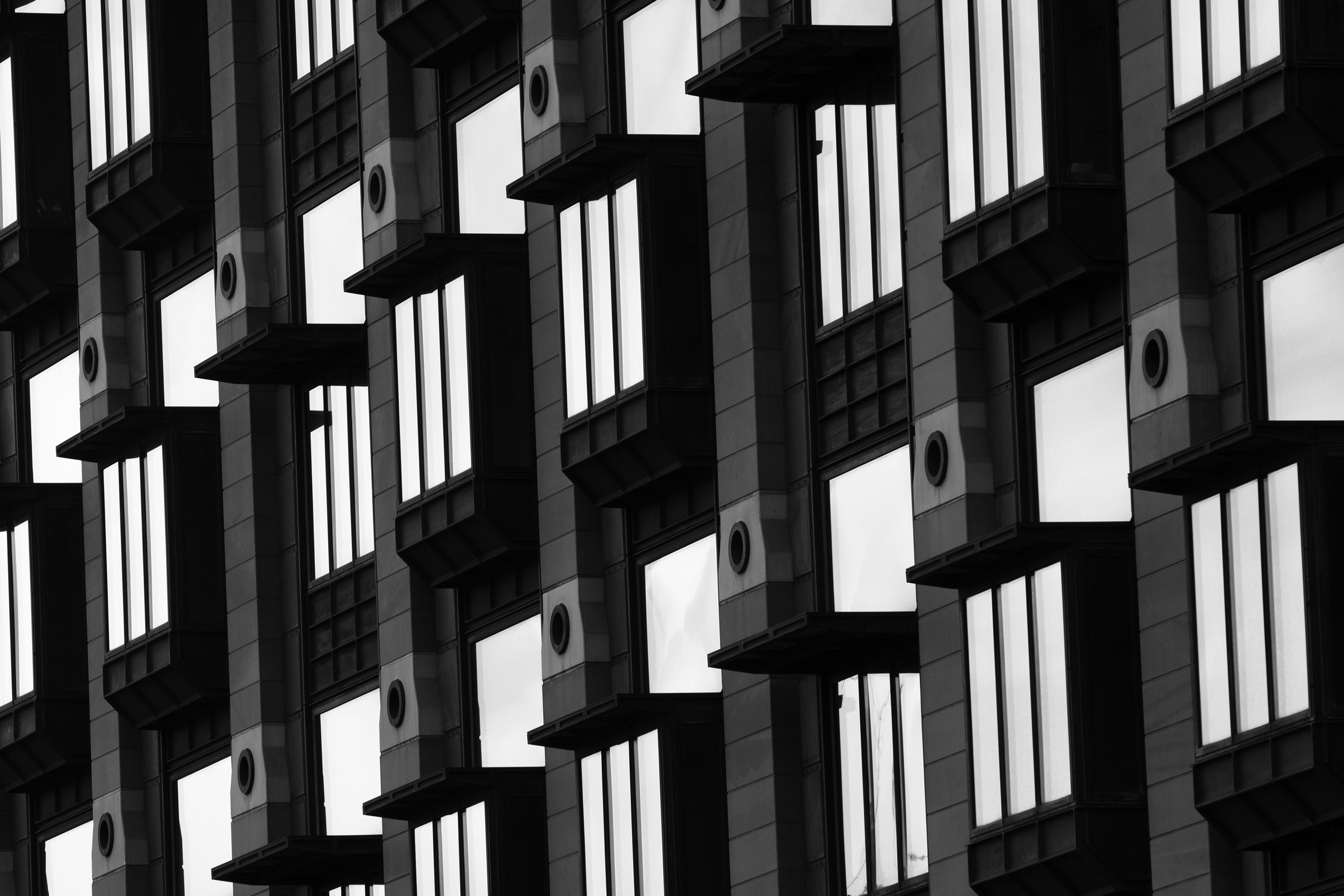
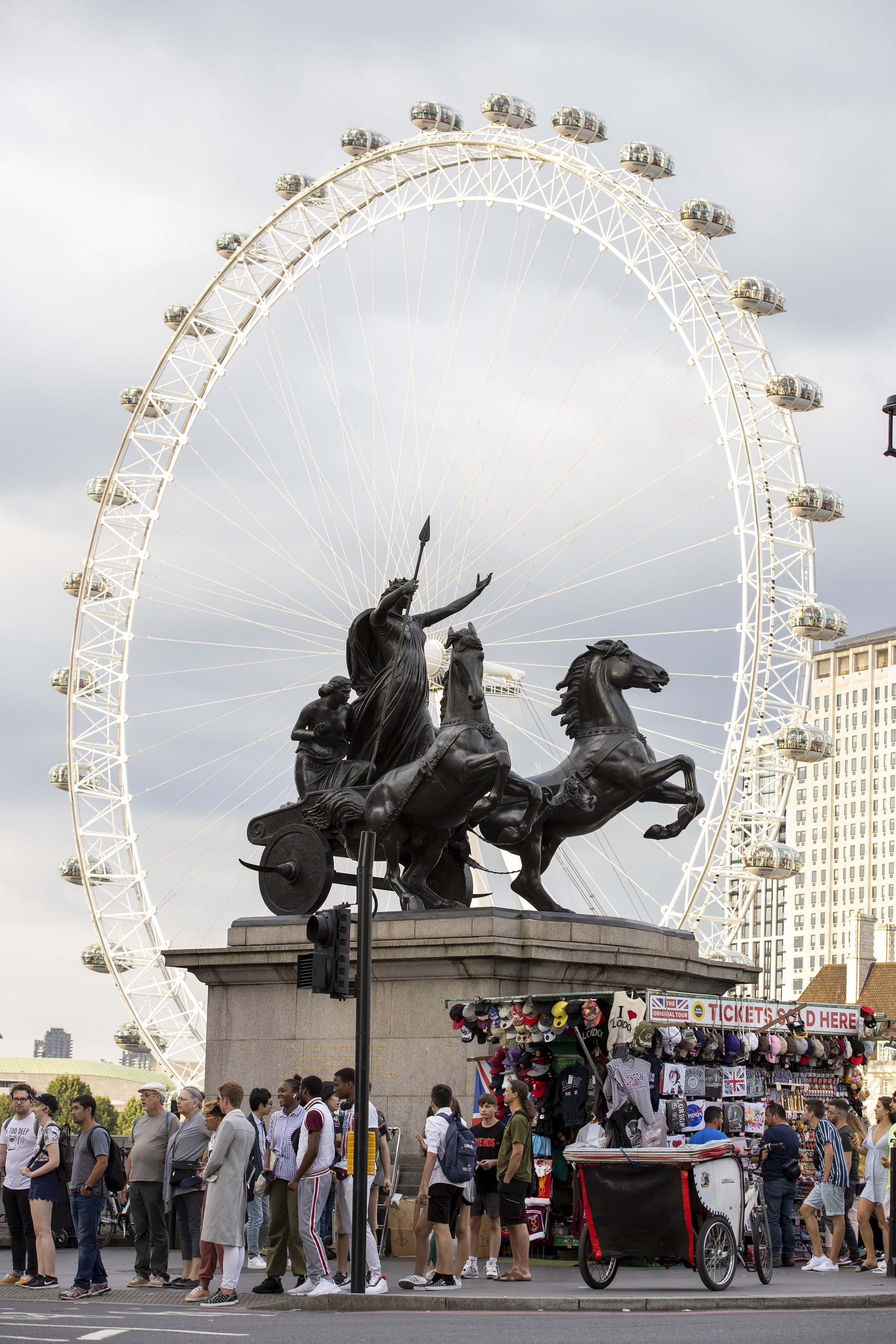
Assignment 1.1

After discussing my first project with my tutor, we decided to make some changes to make it flow more as a project.

On 23rd June 2016, the Nation finally settled the question that had been rumbling under the surface of British politics for generations. Should we remain in the European Union or leave and end the 40 year relationship to go it alone?

Of the 52% of the public who voted to leave the EU many thought it would be concluded by now. Unfortunately this was not the case, three years and Three Prime Ministers later, deep into the departure process, we’re still here,  stuck in the quagmire of bureaucracy, still weighing up the pros and cons of Brexit and what that means for Britain.

There are many pros and cons to both sides, Too many to comprehensively cover here. From Sovereignty to trade deals, immigration to investment, the debate rages on.

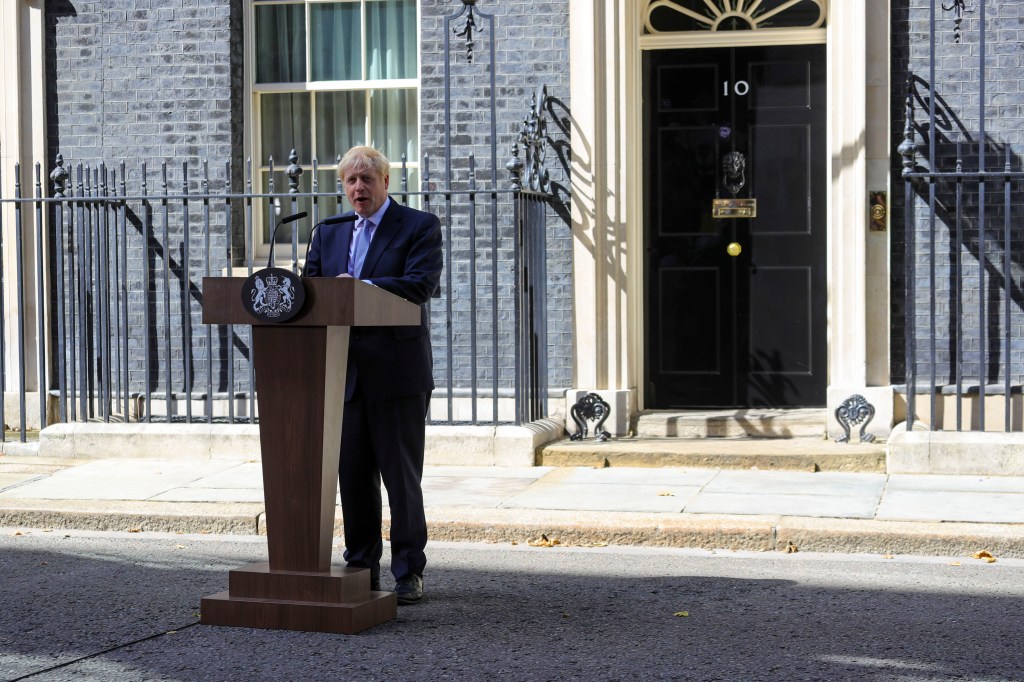
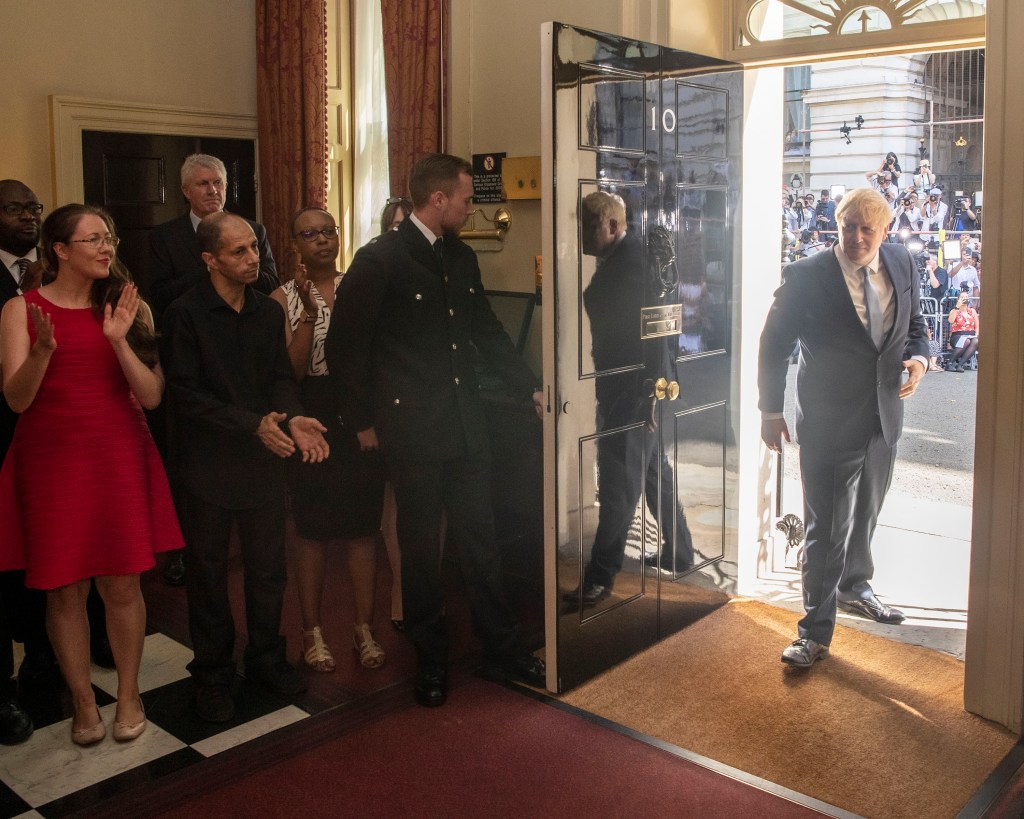
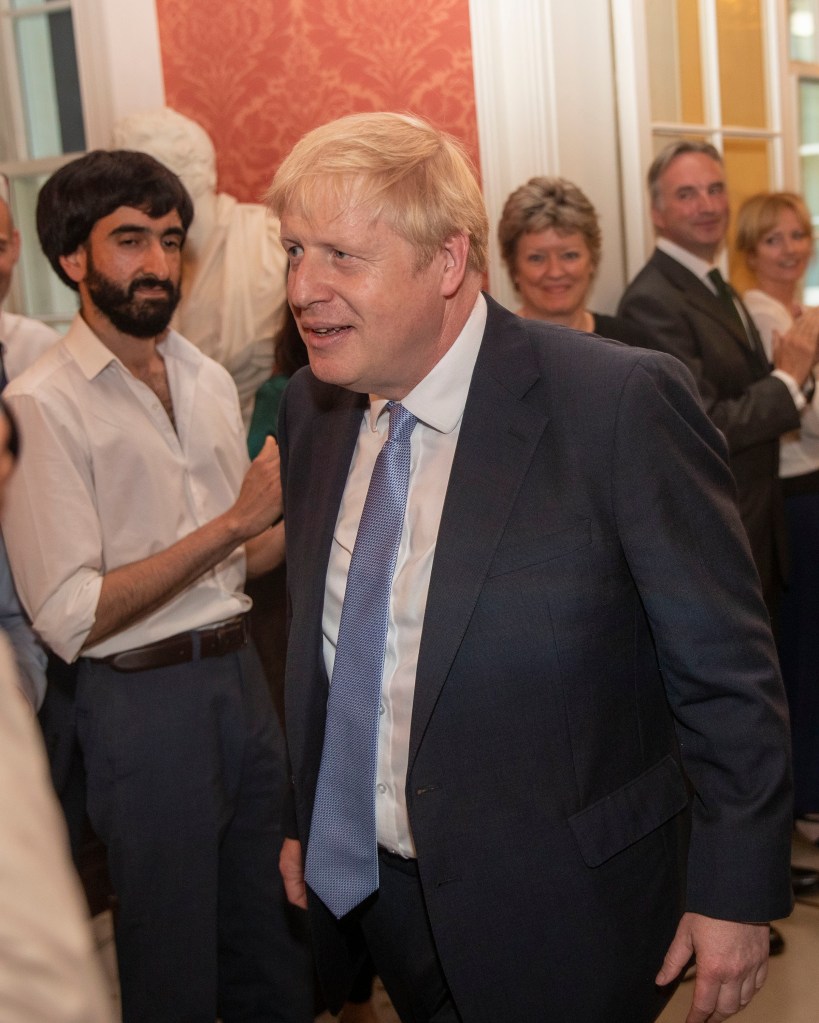
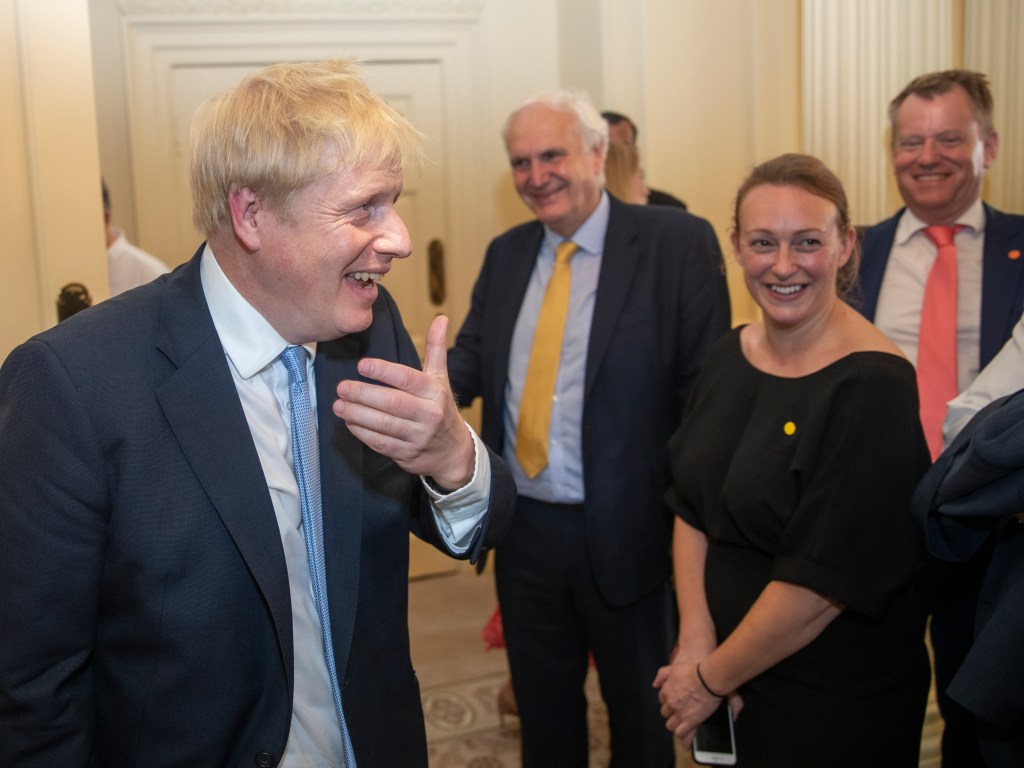
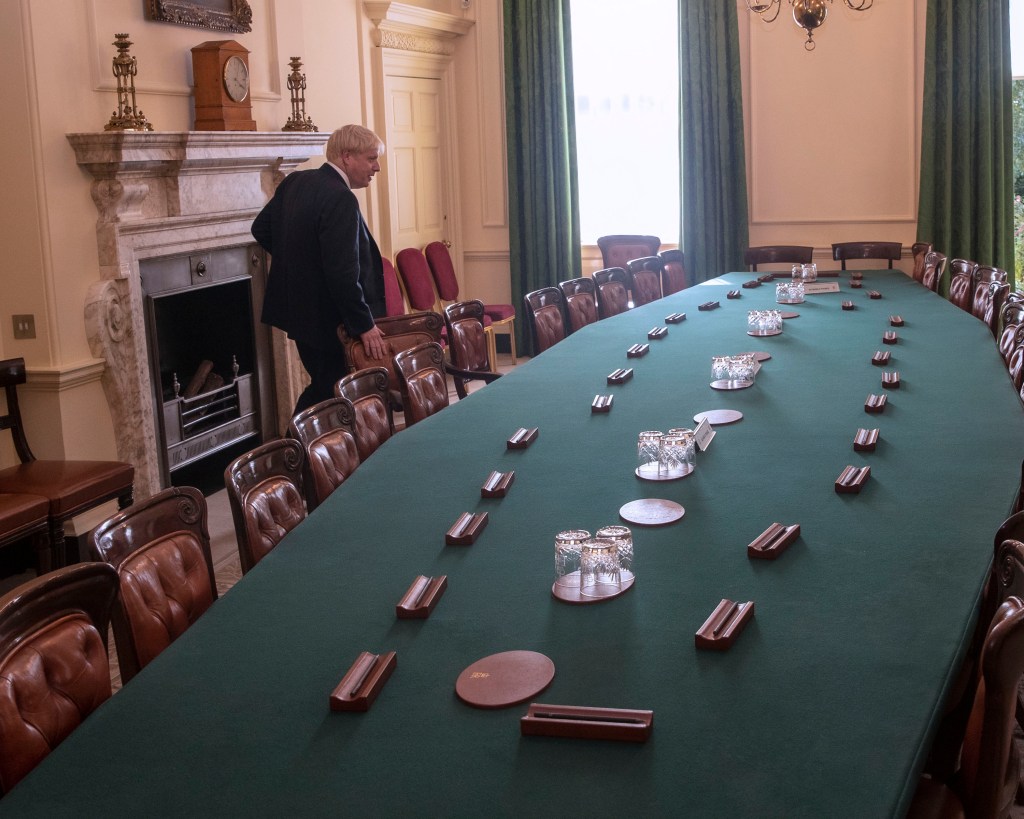
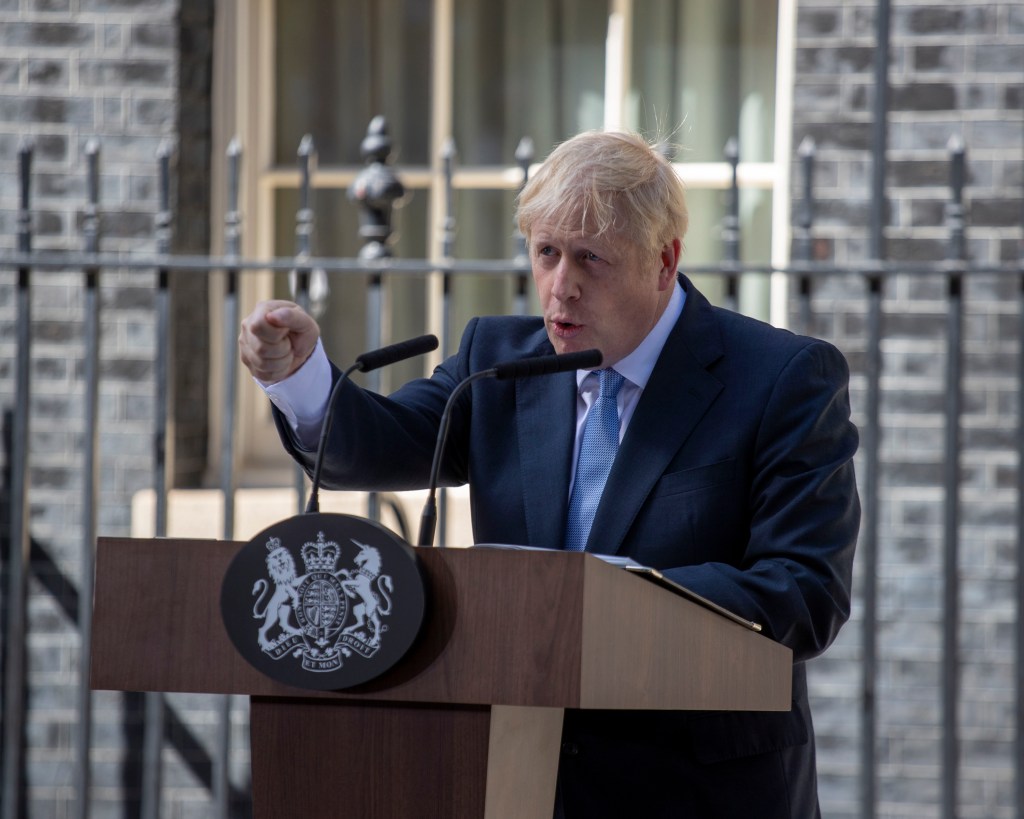
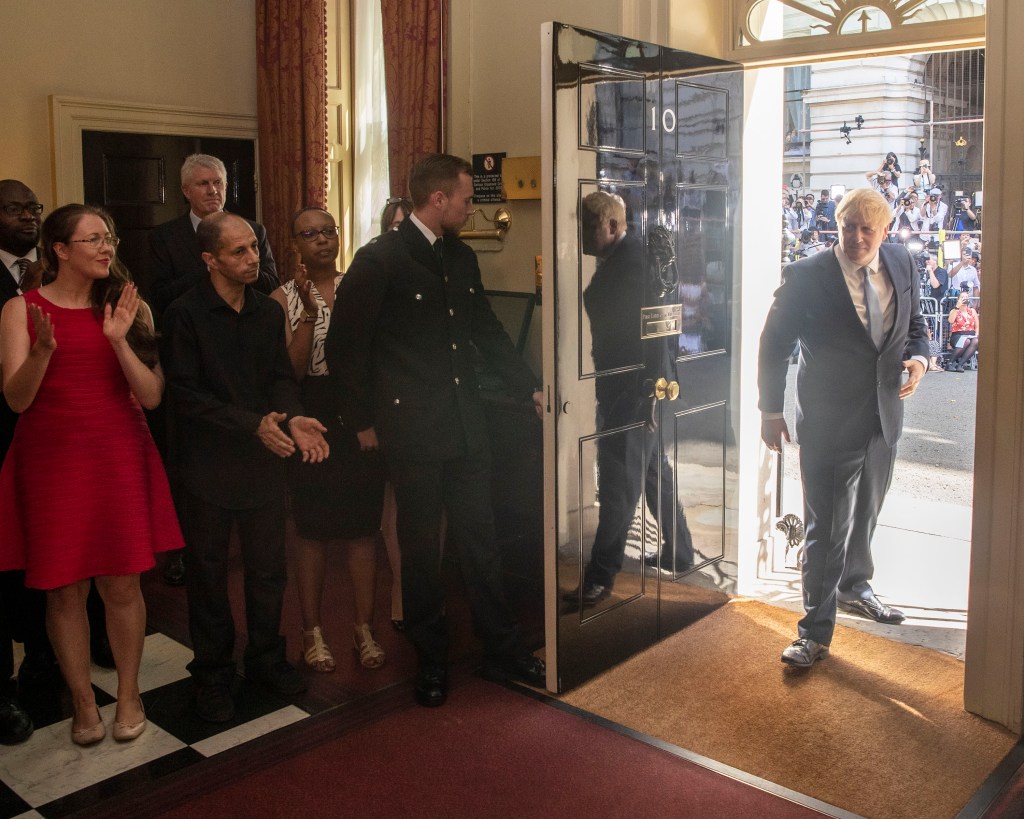
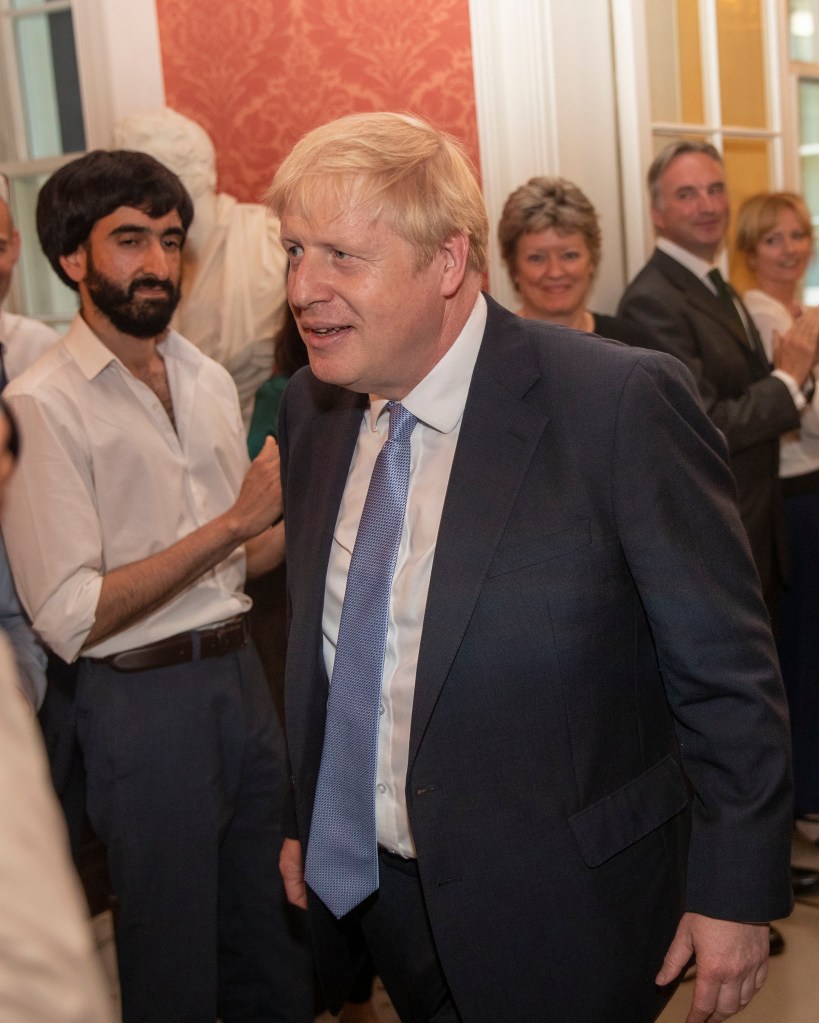
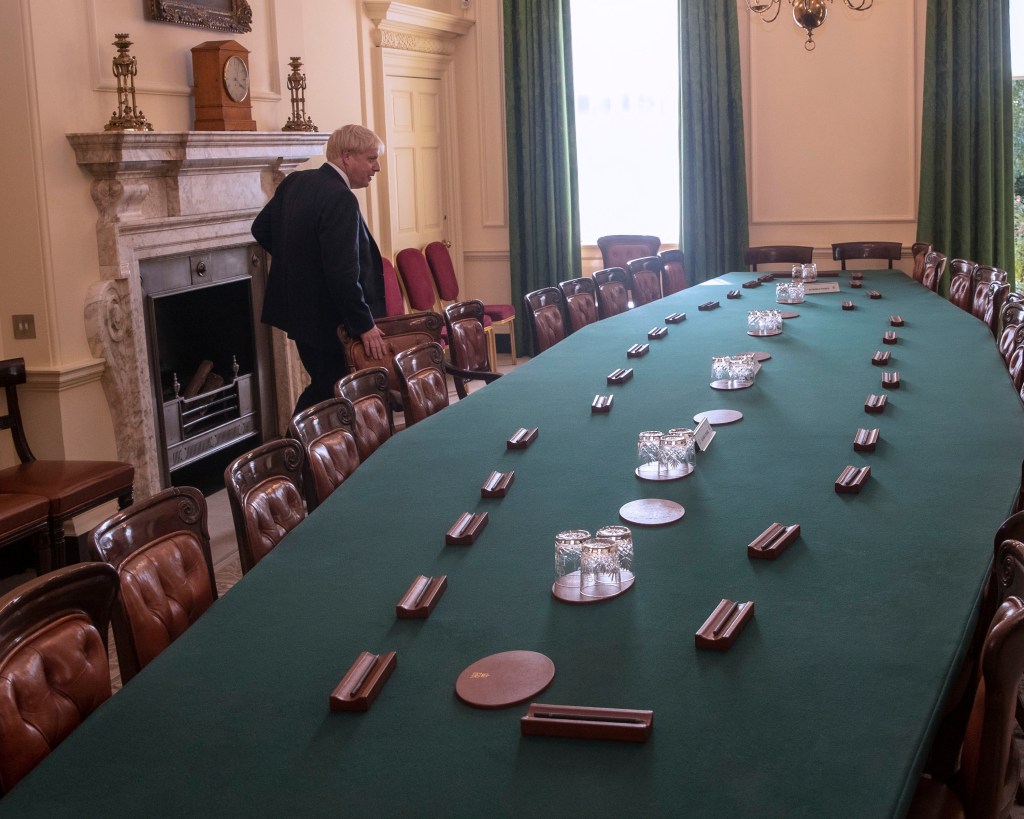
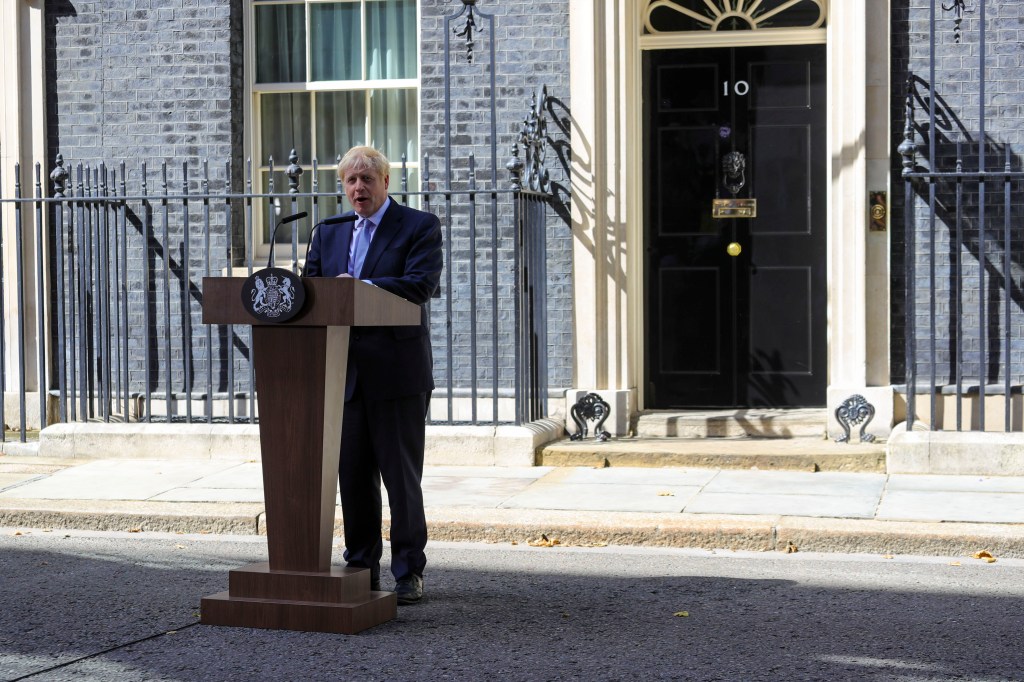
In this set of images I wanted to portray the embodiment of each side of the debate. On one side we have Boris Johnson, at the forefront of the Brexit campaign, then Home Secretary and now Prime Minister. His name is synonymous with Brexit and now he leads the country towards the latest deadline of the 31st of October. Here is a man who feels he was born to be the Prime minister, a man that now leads the UK from the EU, he has worked himself to the highest position on the inside of government to see that happen. He is an unmistakeable character that fills a room with his presence and charms them with his razor wit and undoubtable sense of humour. The lines are blurred between where the persona ends and the person starts with Boris Johnson, he has been building his public image for a long time.

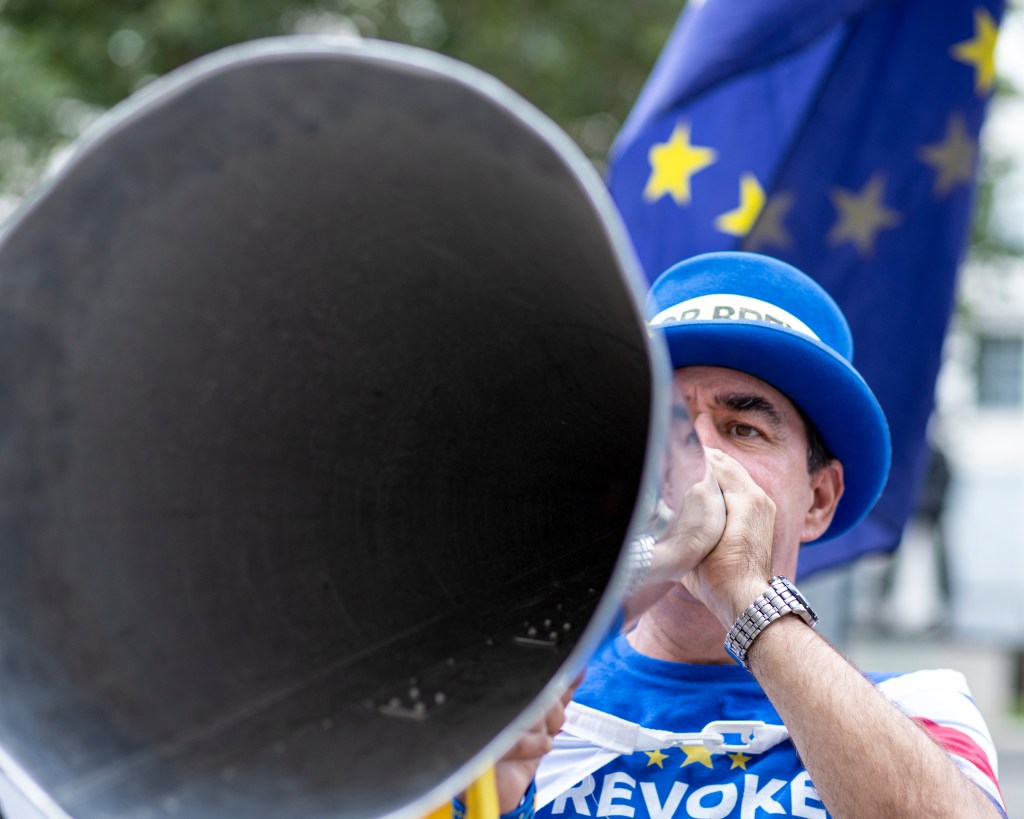
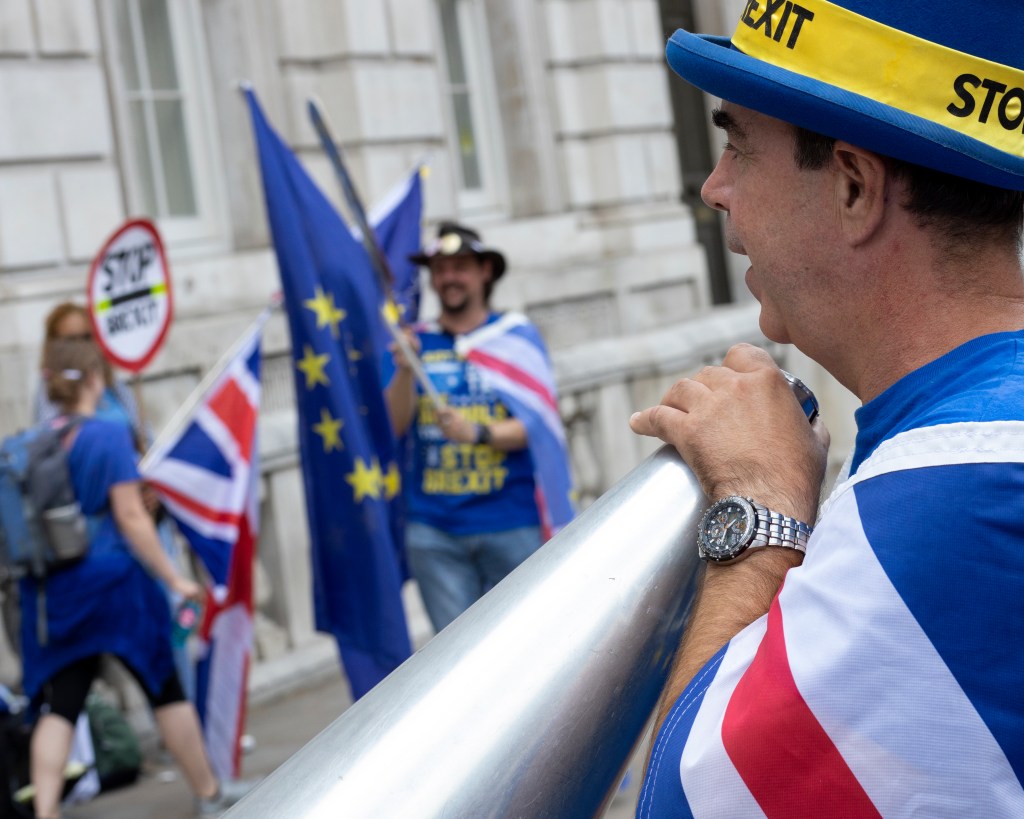
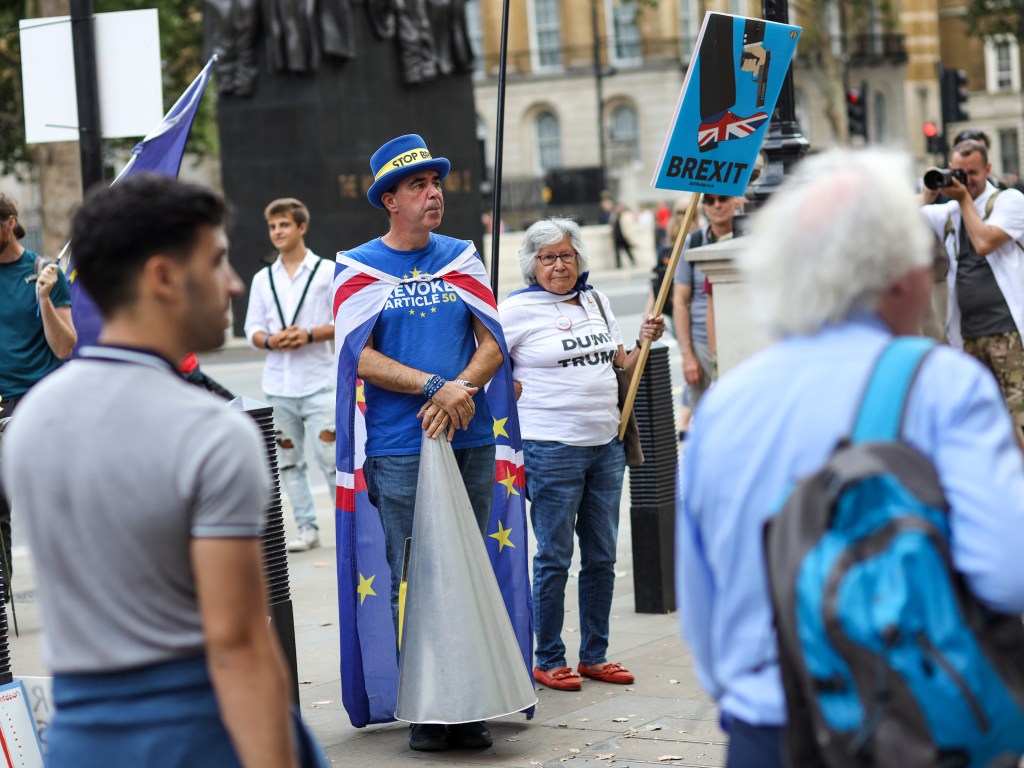
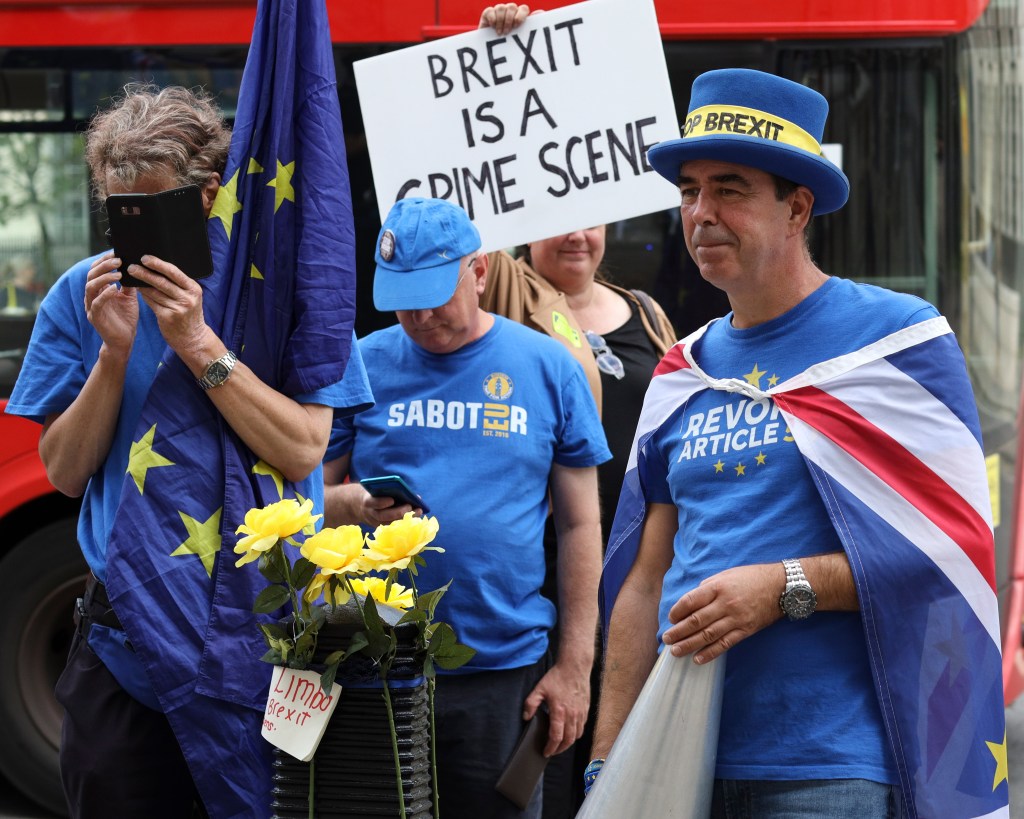
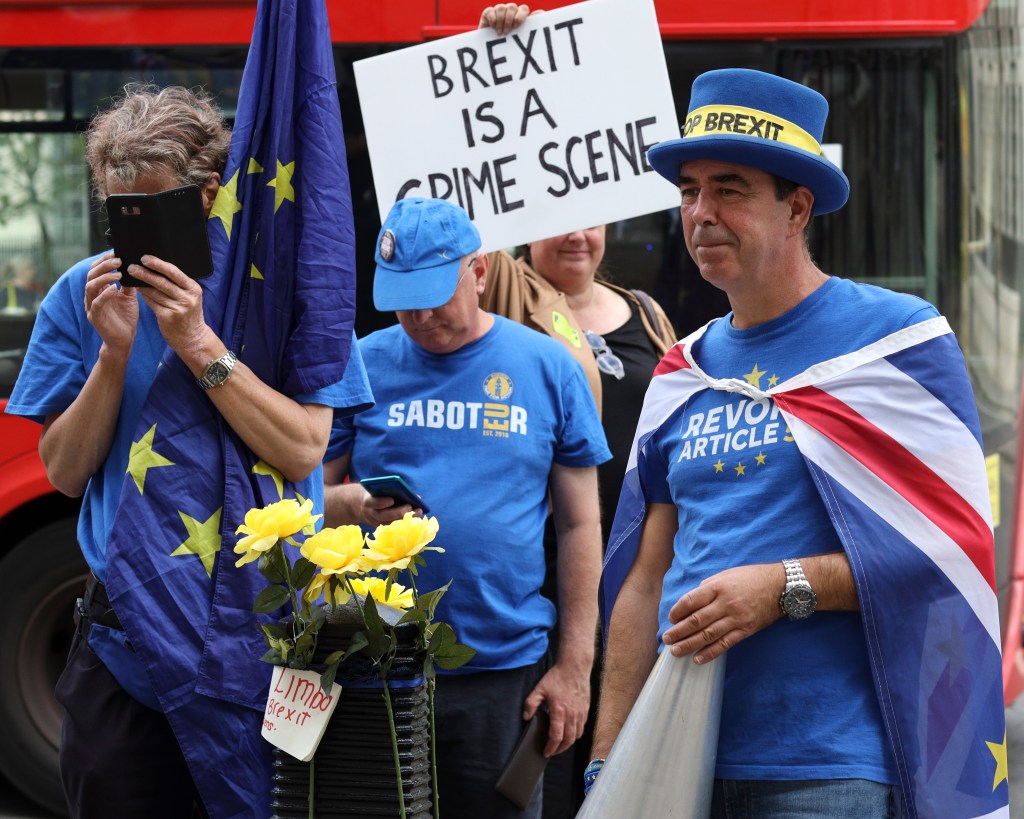
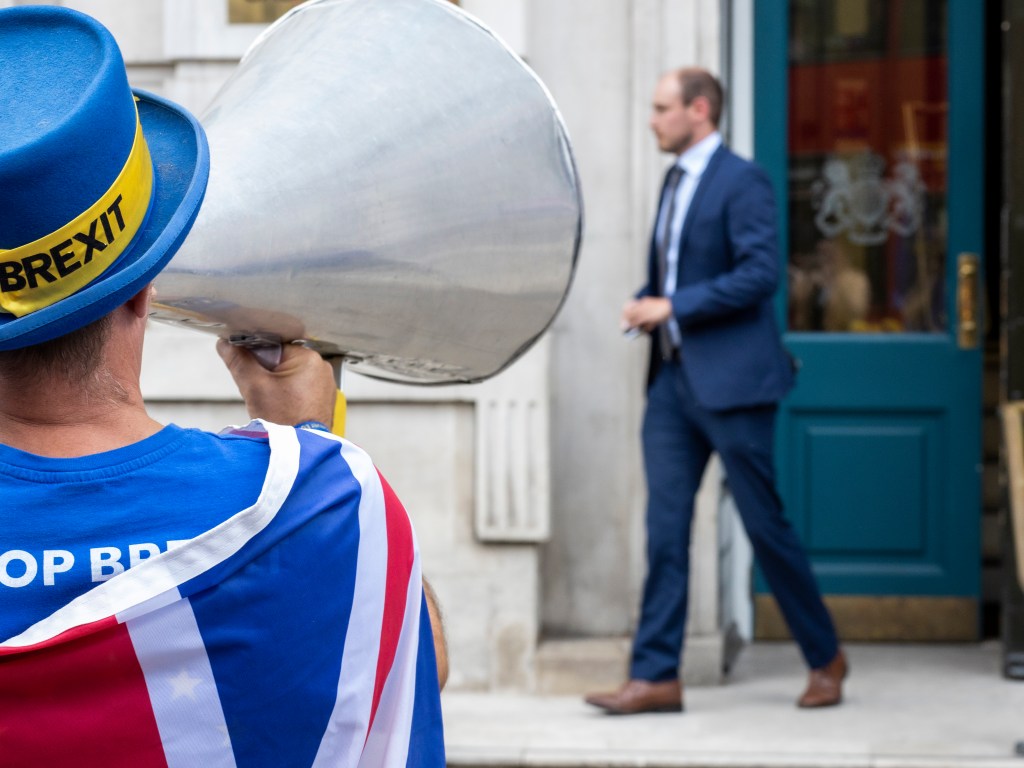
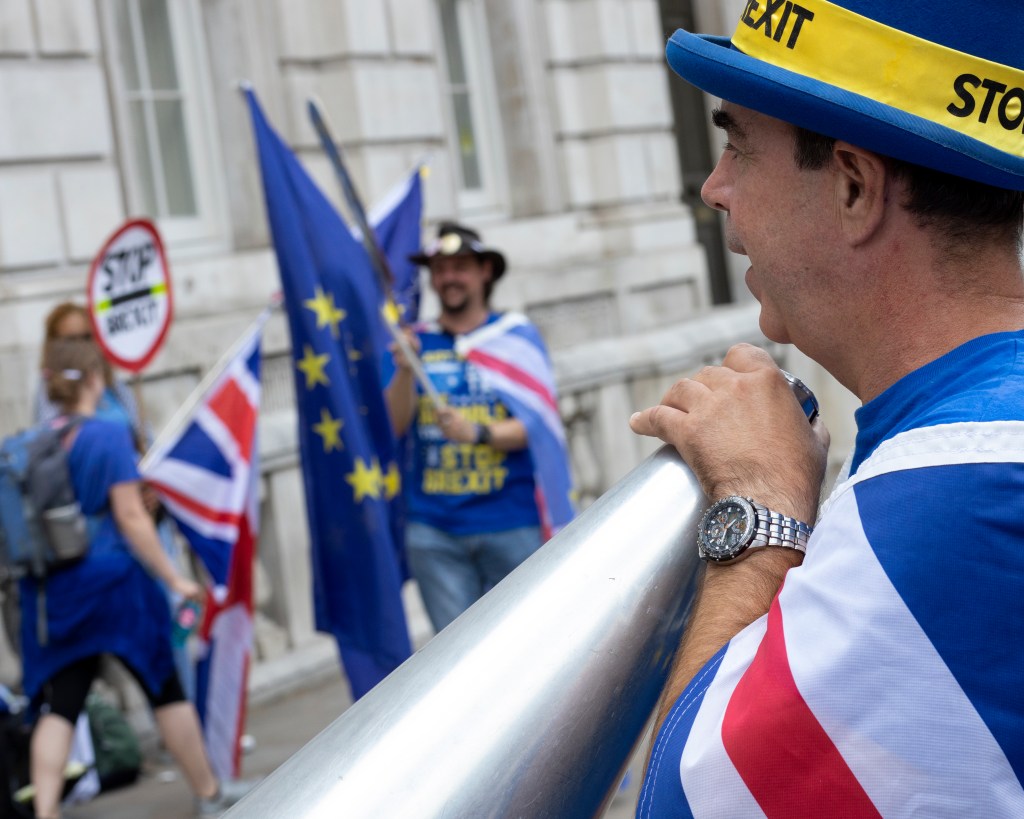
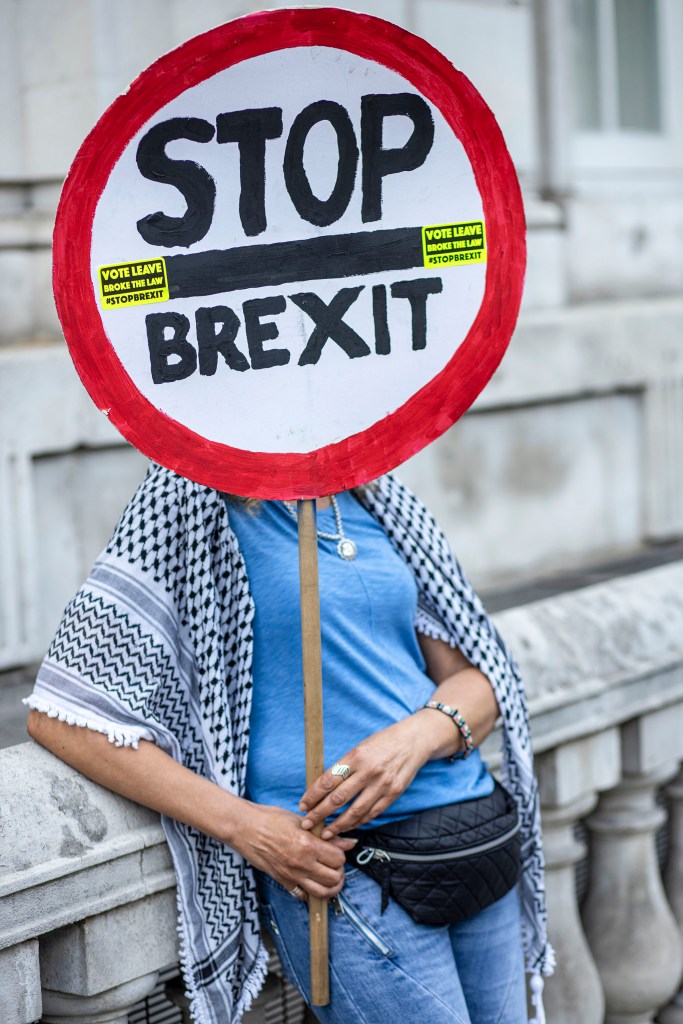
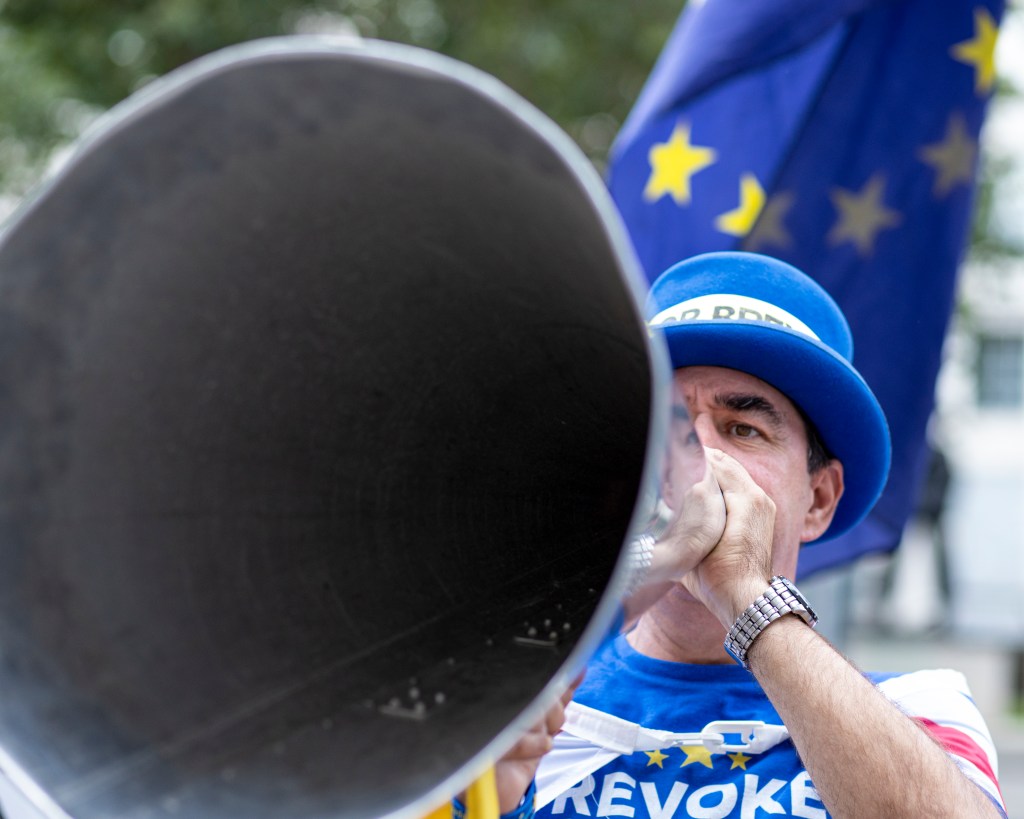
On the other side you have Steven Bray, better known as Stop Brexit Man. Since September 2017 Steve Bray has braved all weathers to mount his ‘Stand of Defiance European Movement’ (SODEM) Protest outside parliament and the cabinet office, to keep the remain option top of everyone’s mind. Many MP’s, peers, activists and members of the public have said how vital the SODEM protest is to the Remain cause. He is loud, colourful, with a wry sense of humour. Steve’s alter ego is easier to define, his persona has to be more hard hitting, he is literally on the outside of the debate, reacting in the only way he knows how. Steve has been a constant thorn in the side of any of the establishment trying to cut remain out of the public arena.

Each man, polar opposites in background and philosophies, one an Eton educated career politician, the other a small business man from Wales. Despite their differences there are many similarities between the two men, they are both white, middle aged from the ‘boomer’ generation. both men striving for something they passionately believe in, maybe In differing circumstances they could even be friends but for now they will stay two sides of the same coin.
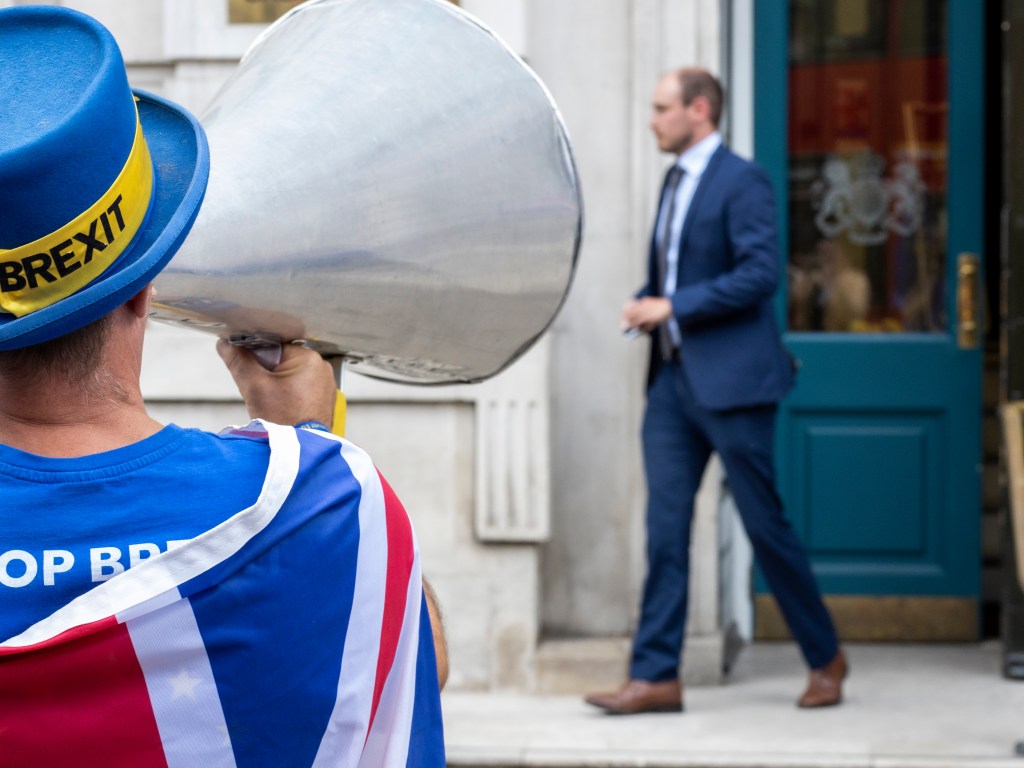
Assignment 1 Reflection

After a good chat with my tutor, here is some reflection on my first assignment.

No matter how long you have been in the photography business, giving over your work for assessment is always daunting at first! I have done this on many occasions in the past, from my formal training as a photographer, submitting my work to the “table of truth” for critique by my tutors and classmates still stirs up feelings of dread.

I submit images on a daily basis for picture editors and PR teams, it does get easier, especially if you back your work and build trust with the people you are submitting it to. I think that over the years it has taught me not to be too precious about my work, if your picture doesn’t fit the brief or the story, it doesn’t necessary mean it’s a bad photograph! That said, I have definitely learnt more from constructive critique, than I ever have from similarly delivered praise.

As far as first, face to face meetings go, this one could not have gone much better. With the general chit chat aside, the comments were positive and critiques constructive and valid. Les advised me to delve a bit deeper into the “inside outside” aspect of my project, something I had overlooked and gave me some examples to check out. I will change the images so all the Boris images are from the inside and Steve on the outside, figuratively and literally. He also suggested to look at some of the more obvious similarities of the two men. like they are both white middle aged men or ‘Gammons’ as the press likes to call them.

By a strange quirk of the blog, it had written my file info on top of the images of Boris and not of Steve. This overlaid text changed the context of the images in a much more thoughtful way than which i was aware. This is something that is also worth delving further into, leaving the text off the images Steve had seemed to give more credibility to the images of Boris, even the repetitive nature of of the text on Boris’s images seemed to be repeating the rehearsed mantra. I will rework the project with no text on either and text on both to see the difference.

Exercise 2.1

For this exercise we are looking at two photo essays, Bryony Campbell’s “The Dad Project” and W. Eugene Smith’s “Country Doctor”. Two chronological photo essay’s, Smith’s 1948 essay concentrates on the daily challenges faced by Kremling Co’s Tireless resident Doctor, Dr. Ernest Ceriani. The other, Campbell’s 2011 essay is a daughter’s story documenting her Father’s journey towards death after his terminal cancer diagnosis.

 Smith, the Godfather of the photo essay, follow’s Ceriani around his rural practice and documents the daily challenges of a remote doctor in 1940’s America. Smith first has to get to know his subject, shadowing the GP with his camera without film in it originally, so the doctor can get used to him just being there. Once Ceriani was used to Smith being around, he was able to capture some unbelievably candid moments between doctor and patient. He manages to document the inner rewarding and outward hardship. With his superb composition and masterful storytelling, Smith manages to create a set of images, that not only portrayed the story at the time for LIFE’s magazine readers, the images also have the rare quality of long lasting appeal, appearing as fresh today as they did 60 plus years ago. A trait rarely seen in today’s image heavy, throw away culture.

Campbell’s The Dad Project is a great example of photographic and personal bravery rarely seen. For her essay in contrast to Smith’s, Campbell does not have to get to know the subject. She delves into the personal struggles of her own family. Dealing with acceptance and ultimately grief of her Father’s terminal cancer diagnosis. Campbell’s images are so personal, almost too personal, to the point where you feel you are intruding on an intimate family moment. This set of images portrays the inner turmoil of the daughter, whilst trying to be the photographer and vice versa. As the viewer you feel the families pain, these thoughts slowly move into the uncomfortable truth of our own mortality and the realisation of one day being without my own father.

Both of these masterful story tellers give us profound but differing versions of the photo essay. Both have a lasting effect on us, whether it is the catharsis of Campbell’s work and the help it continues to give people dealing with grief. Or In Smith’s case the W. Eugene Smith Memorial fund for Humanistic photographers, which supplies grants to photographers who’s stories may never have been told without it.

Exercise 1.5

Does Digital Technology Change how we see photographs as truth

It is a commonly stated that modern technology effects how we view the truth in images, others believe the fast and ready access to photography and the ability to share it at lightning speed reinforces the truth in digital photography. In my perspective, digital technology does not change how we the understand the reality in digital photography and it is the context in which we view these images that has the most consequence to how we view images not the technology that produces them. In this essay we will delve in to each aspect and at some relevant examples in support of my view.

It is globally accepted that the recent rise of digital technology has given people more access to digital cameras, photo manipulation software and the ability to broadcast content in an instance, all wrapped up in a hand-held package of the mobile phone.

It is no coincidence the rise of camera phones runs parallel with the escalation of citizen photography. With News Agencies ever more likely to use content supplied by non-professional photographers, the role of the photo journalist is in decline.

The fact that news agencies and picture editors alike trust these sources as a truthful source of information further backs up the view that digital technology does not change how we see the truth in photographs.

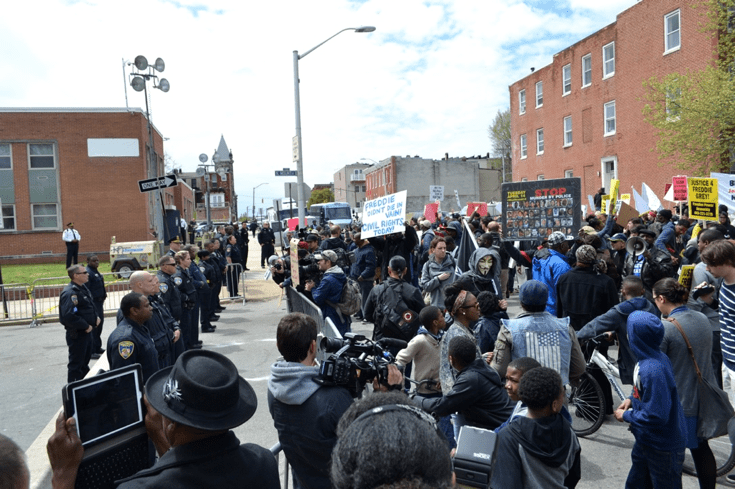
  The sheer volume of imagery available often substantiates what happens, for example, during the Baltimore riots of 2013 after officers arrested Freddie Gray, a 25-year-old African American. Gray suffered injuries (which he later died of) during the protests the protestors  filmed much of the police reaction on multiple mobile phones, iPad, stills cameras and news crews filmed on their cameras, each piece of digital technology validated the other adding more authenticity to the footage, as you can see in fig A there are over 10 cameras in this one scene all this adding up to tell a truthful story from multiple angles and only two of them held by what would be considered professionals.

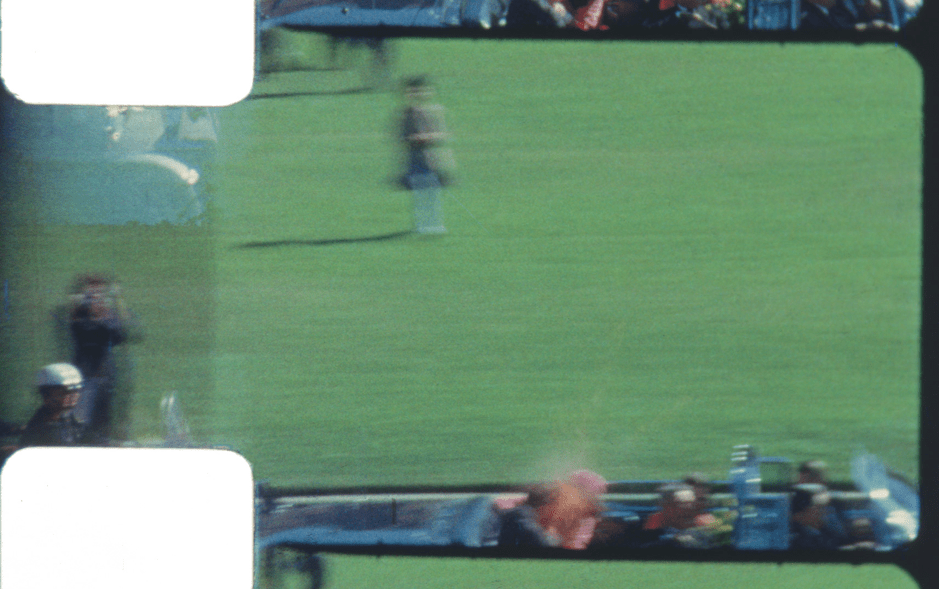
Citizen journalism is nothing new, who could forget the infamous frame 313 of President Jonathan Fitzgerald Kennedy’s assassination. Possibly the most famous home movie ever captured and one of the most studied frame of 8mm film ever recorded, more for what it doesn’t reveal than for what it does. When amateur photographer Abraham Zapruder placed his camera to film his hero JFK no one could have imagined what he would capture. Life magazine purchased the film the next day and published 31 of the 486 frames which meant that the film was released as a series of eight still images, even with the clamour for images of this event, frame 313 was withheld, the one where the bullet explodes from the side of the Presidents head. This image is still shocking when viewed today, one can only imagine how it would have been received in 1963.

This is a good example to support David Campney’s point that “Almost a third of all news “photographs” are frame grabs from video or digital sources’ and comments that the definition of a medium, particularly photography, is not autonomous or self-governing, but heteronymous, dependent on other media. It derives less from what it is technologically than what it is culturally. Photography is what we do with it. And what we do with it depends on what we do with other image technologies. (empahsis in original, p. 130)

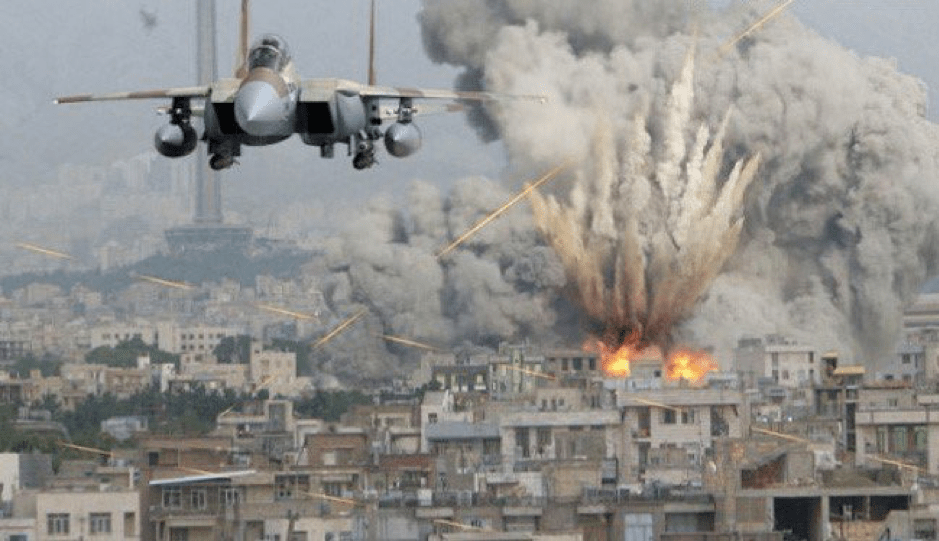
With today’s access to photo manipulation software, it’s easy to see why people would not see the truth where digital technology it concerned. There are a few well documented occasions when digitally manipulated images do make their way into the public domain. Sometimes by photographers trying to deceive and make money by enhancing their images, other times by public figures releasing pictures that were never intended to be news. As In the case of MP Diane Abbott releasing a computer-generated composite image which she believed to be a factual image of airstrikes on Syria.

In this multimedia age where images are everywhere and millions of images are just a mouse click away, mistakes are bound to be made. With digital technology comes digital data, each image has a history, the recording of metadata that gives you a digital diary of all the changes made to the images so manipulation is even easier to detect than it was back in the analogue days of film.

With the rise of multimedia platforms and mass communication it can be forgiven to think fake news and images are on the rise. I believe the truth of the situation is, although there are examples of manipulation leaking their way into the news feeds of the public. The decrease in photo journalists on the ground and the ready acceptance of citizen journalism means digital technology does not change our interpretation of the photograph as truth. I believe the opposite, the more digital technology that surrounds the subject the more the truth becomes irrefutable however difficult to swallow.

Exercise 1.3

Exercise Instead of using double exposures or printing from double negatives we now have the technology available to us to make these changes in post-production, allowing for quite astonishing results. Use digital software such as Photoshop to create a composite image which visually appears to be a documentary photograph but which could never actually be. 

Exercise 1.4

Look at some more images from this series on the artist’s website.

• How do Pickering’s images make you feel?

• Is Public Order an effective use of documentary or is it misleading?

This project begins with Public Order, exploring the Metropolitan Police Public Order Training Centre, a simulated urban environment where officers rehearse responses to civic unrest. Is this project an effective use of documentary or is it misleading? Are these images the best way to show what goes on behind these closed training sessions?

Some may argue this set of images are not a successful representation of the public zeitgeist of the discerning threat and the responses to them?

I believe this set is an effective use of documentary and I do not believe they are misleading, in this essay I will support my opinion with some examples.

Firstly, I believe this set of images by Pickering is an plausible use of documentary. For example there is no real attempt to hide the facts that this is a mock up of a town or city, if anything there are lots of subtle and not so subtle clues to the viewer which provoke closer examination. On closer inspection you soon get passed the thin veneer of reality. In nearly every image there is some part that slowly reveals its meaning, a missing door showing grass where a room should be or the misplaced lights on every building, the side view of a building that is just a facade. In other words, if this set was misleading it would not give you the images of behind the façade, some shots are ambiguous at best but all of them give up some part of the story being told.

Another reason I disagree that the images are misleading is, they are all taken from the same height, there are no dramatic angle changes and the lighting is very neutral throughout the set. It think this was a deliberate act of the artist, I believe this adds to documentary feel to the images.

On the other hand, the lack of what first springs to mind when one imagines riot training, police with riot shields, mock protestors and Molotov cocktails. It’s easy to see why some might say the set gives the wrong impression.

In conclusion,  if you view these images in the wider context of the whole collection that these images are the first set of, Explosions, Fire and Public order, it becomes ever more apparent that these are effective documentary images.

As Pickering herself says in the forward the her book of the same name “My work explores the idea of imagined threat and response, and looks at fear and planning for the unexpected” The only fantasy involved in this set of images is the imagined scenarios the officers rehearse in the areas. Although this is not the way I would choose to portray these areas and what happens in them, it is, none the less, an compelling use of documentary. 

Research Point

This look into Paul Seawright’s, 1988 body of work, which was originally released with no formal name. It  has since commonly been referred to as The Sectarian Murders. The work blurs the lines between documentary and art, is it still art? The work is ambiguous enough to intrigue the viewer into to deeper thought, something that is required of art, not chained to the rules of documentary or having to tell the whole story in one image. The core of Seawright’s argument is trying to find the perfect balance of explicit and ambiguity, Seawright himself says “Too explicit it becomes journalistic, too ambiguous it becomes meaningless.”

What adds to the artfulness of the set is the lack of bodies or police tape, or, in fact any evidence these tragic crimes were committed. The 15 years between act and art and the banality of the scenes, draws the set away from the documentary and closer the art.

The meaning of the images would remain lost in their ambiguity if not for the clever use of text, with the religion of victim’s purposely removed from the text. As Liam Kelly has written in his online article for British Photography.org “Paul Seawright’s photographic works are another example of the transformative power of text on image.” The text helps the viewer on their way to explanation, it also leaves them enough space to make their own opinions as Seawright goes on to say the “holy grail is to make work that visually engages people, that draws them in. And then gives up its meaning slowly”. But essentially “Still gives it up”

If we define a piece of documentary photography as art, does this change its meaning? If anything, it enhances its meaning, as Liam Kelly explains “The cold sparsity of the text, together with the concentrated absences in the photograph, unite to sustain a resounding moral condemnation of political cause and effect on both victim and violator.” 

Reflection Point

There are very Interesting and contrasting points made by these three photographers, If we start with dealing with the flood as a actual physical, tangible representation of one of many photo sharing websites, it makes it difficult to see past the Mass of the vernacular.

The other two artists represent differing ways of deciphering the flood of images (old and new) that we consume on a daily, hourly, minute by minute basis. Schmid seems to revel in the flood almost obsessively drowning in it, via digital and analogue means, meticulously searching archives of  1000’s of images, hunting the patterns the eb and flow of the flood.

In contrast Williamson’s ‘Advertising’ examines minutely one single image, giving it the same critical observation normally reserved for high end art, not adverts in a Sunday Paper. Like Schmidt, Williamson is also observing ever moving patterns and themes.

Both artists raise valid question, Schmidt’s why do we take the same pictures throughout time? Williamson’s highlighting the plight of child workers for one of the worlds biggest companies.

I would have to agree with Schmidt that the reasons we keep taking the same photograph’s is that they work, people will keep getting married, having kids, going on holiday and eating pretty food.

As upsetting as it is to say, while the economic gap between countries still exists the type of exploitation Williamson refers to will still keep happening. As she quotes “Today the hypocrisy is reversed, we look back in nostalgic terror at the working lives of British people 200 years ago, while buying products produced under not too dis similar circumstances in East Asia.”

Each artist have their views, I enjoyed Schmidt’s no nonsense view of his own work, as I have in mine, not trying to read too much into his collection of imagery. In stark contrast Williamson wants you too read almost painful level of depth into that single image in which she makes some hard hitting points. Both articles are good, if I lean towards one style it would be Schmidt’s but I would like to get to the level of critical observation shown by Williamson.

Assignment One

For this assignment, I had a few ideas of how to show two sides of the same story. Could I show two sides of a personality or show a court case scenario? I originally thought of photographing a protest, trying to show the protestors and the police, two sides to the same event or even two rival protests. The more I thought about it the more I concentrated on what the protests would be focusing on and how I could represent both sides convincingly. In the end I decided to concentrate on Brexit, a divisive and current issue that I could see both sides of.

On 23rd June 2016, the Nation finally settled the question that had been rumbling under the surface of British politics for generations. Should we remain in the European Union or leave and end the 40 year relationship to go it alone?

Of the 52% of the public who voted to leave the EU many thought it would be concluded by now. Unfortunately this was not the case, Three years and Three Prime Ministers later, deep into the departure process, we’re still here,  stuck in the quagmire of bureaucracy, still weighing up the pros and cons of Brexit and what that means for Britain.

There are a many pros and cons to both sides, Too many to comprehensively cover here. From Sovereignty to trade deals, immigration to investment, the debate rages on.

In this set of images I wanted to portray the embodiment of each side of the debate. On one side we have Boris Johnson, at the forefront of the Brexit campaign, then Home Secretary and now Prime Minister. His name is synonymous with Brexit and now he leads the country towards the latest deadline of the 31st of October. Here is a man who feels he was born to be the Prime minister, a man that now leads the UK from the EU. He is an unmistakeable character that fills a room with his presence and charms them with his razor wit and undoubtable sense of humour.

On the other side you have Steve Bray, better known as Stop Brexit Man. Since September 2017 Steve Bray has braved all weather to mount his ‘Stand of Defiance European Movement’ (SODEM)

Protest outside parliament and the cabinet office, to keep the remain option top of everyone’s mind. Many MP’s, peers, activists and members of the public have said how vital the SODEM protest is to the Remain cause. Steve has been a constant thorn in the side of any of the establishment trying to cut remain out of the public arena. He is loud, colourful, with a wry sense of humour.

Each man, polar opposites in background and philosophies one an Eton educated career politician, the other a small business man from Wales. Both men striving for something they passionately believe in. Maybe In differing circumstances they could even be friends but for now they will stay two sides of the same coin.

Exercise 1.2

Exercise Find a street that particularly interests you – it may be local or further afield. Shoot 30 colour images and 30 black and white images in a street photography style. In your learning log, comment on the differences between the two formats. What difference does colour make? Which set do you prefer and why? 

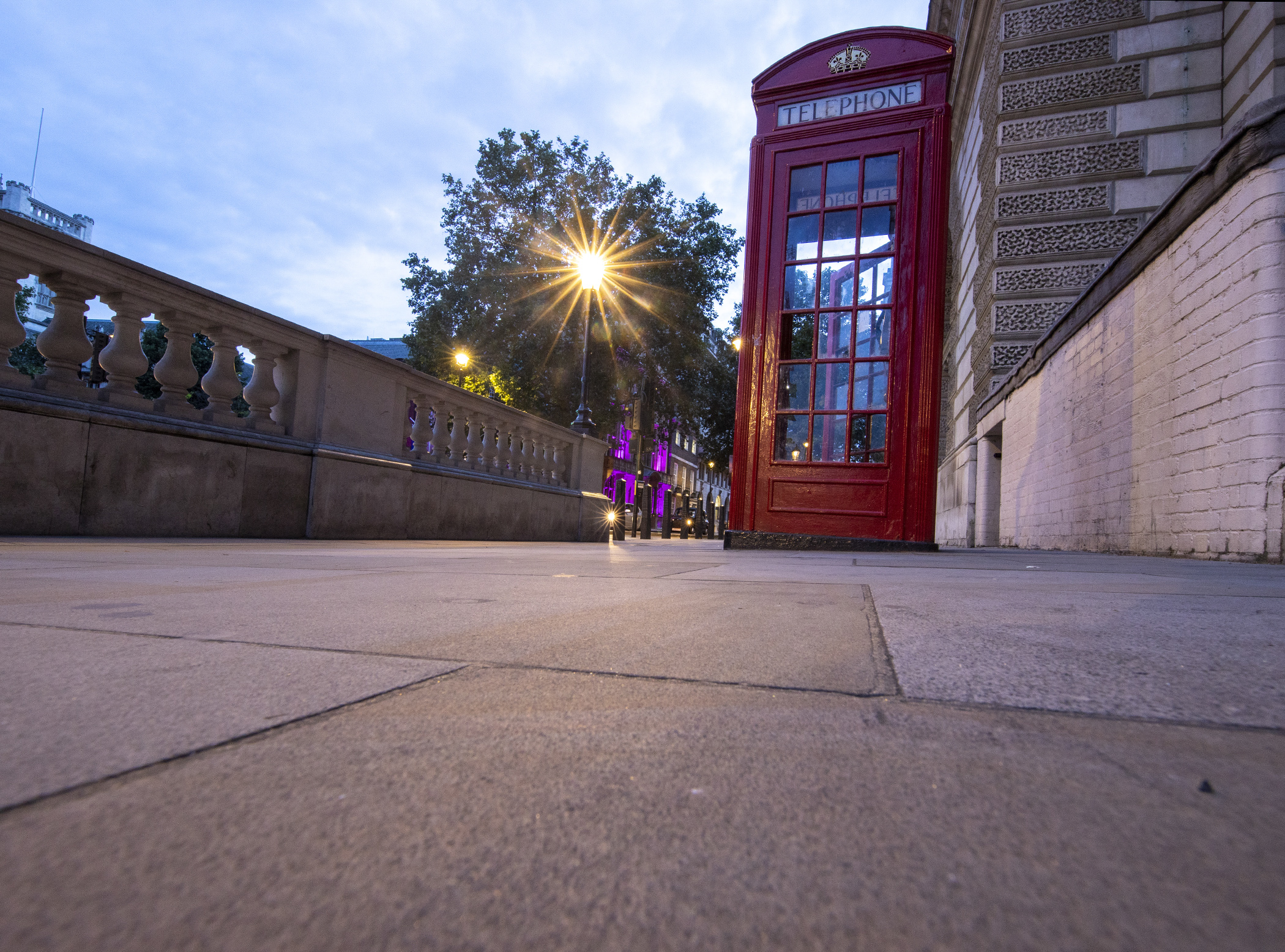
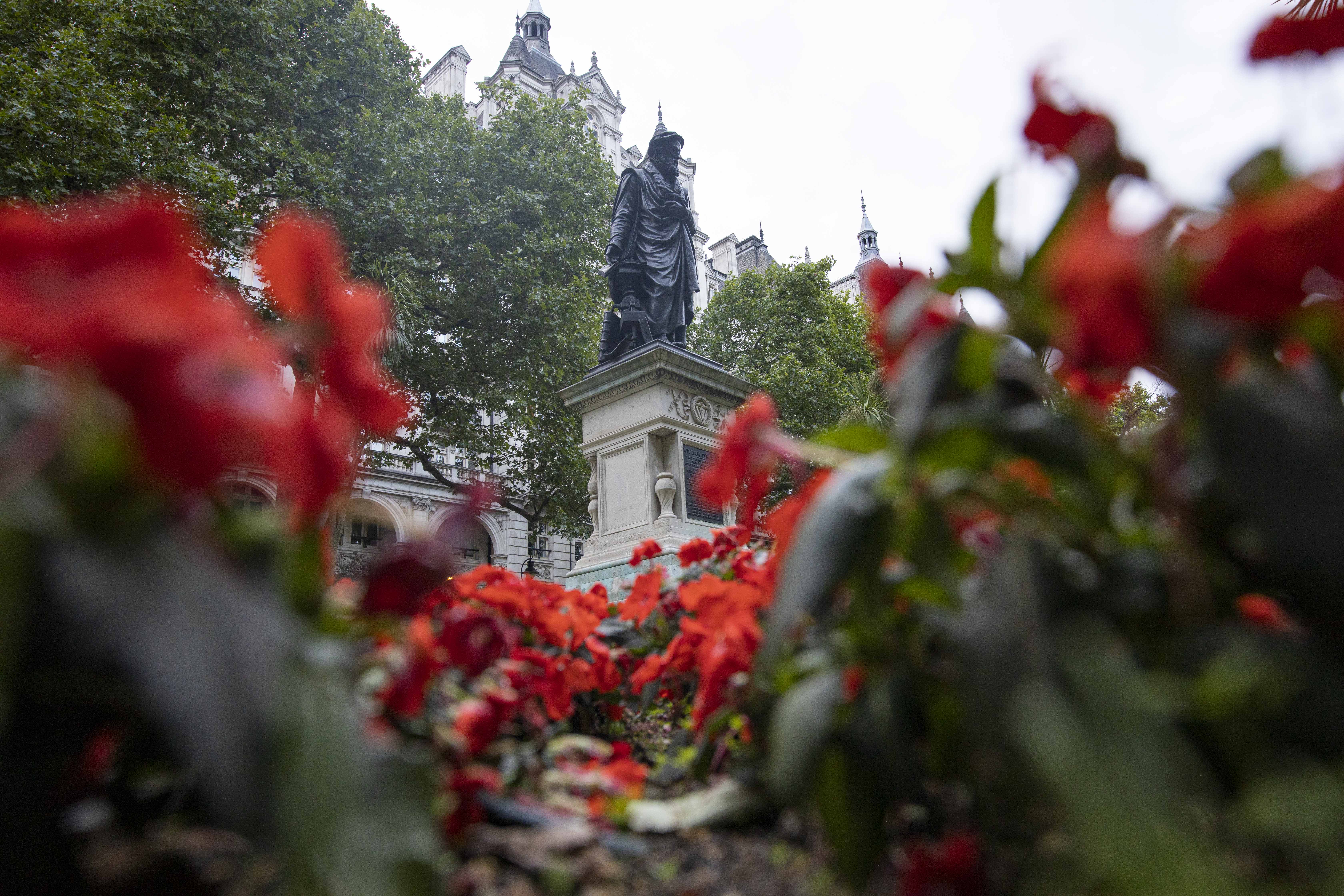
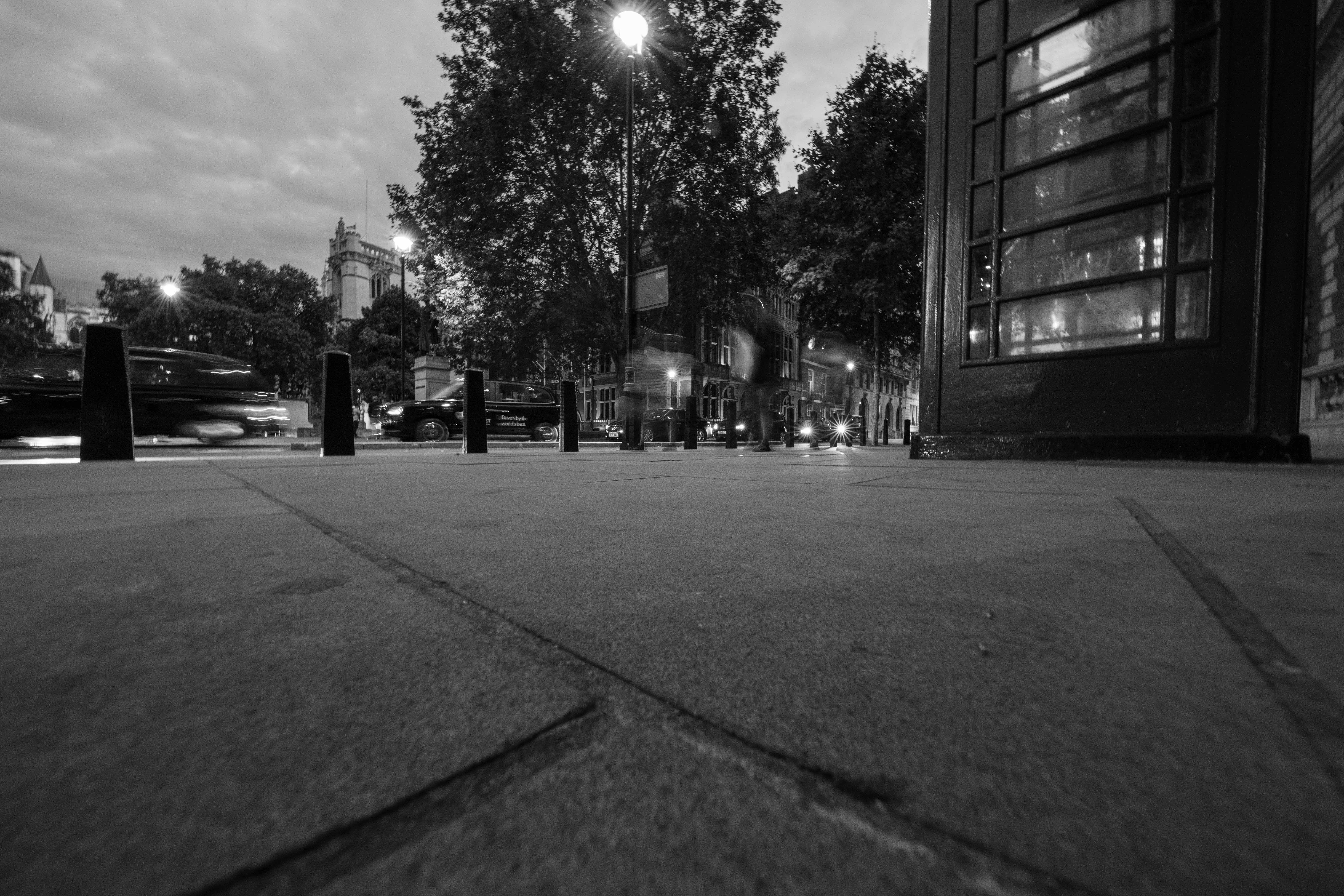
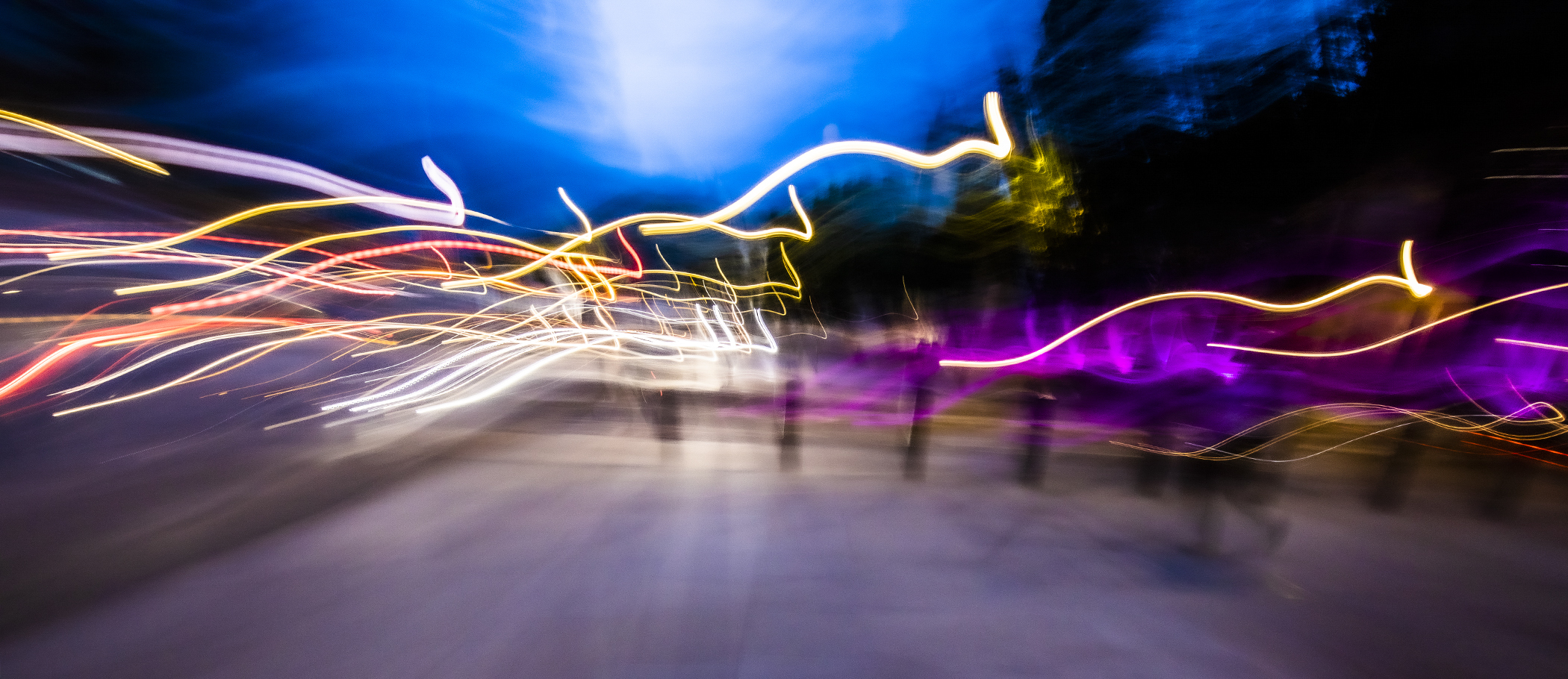
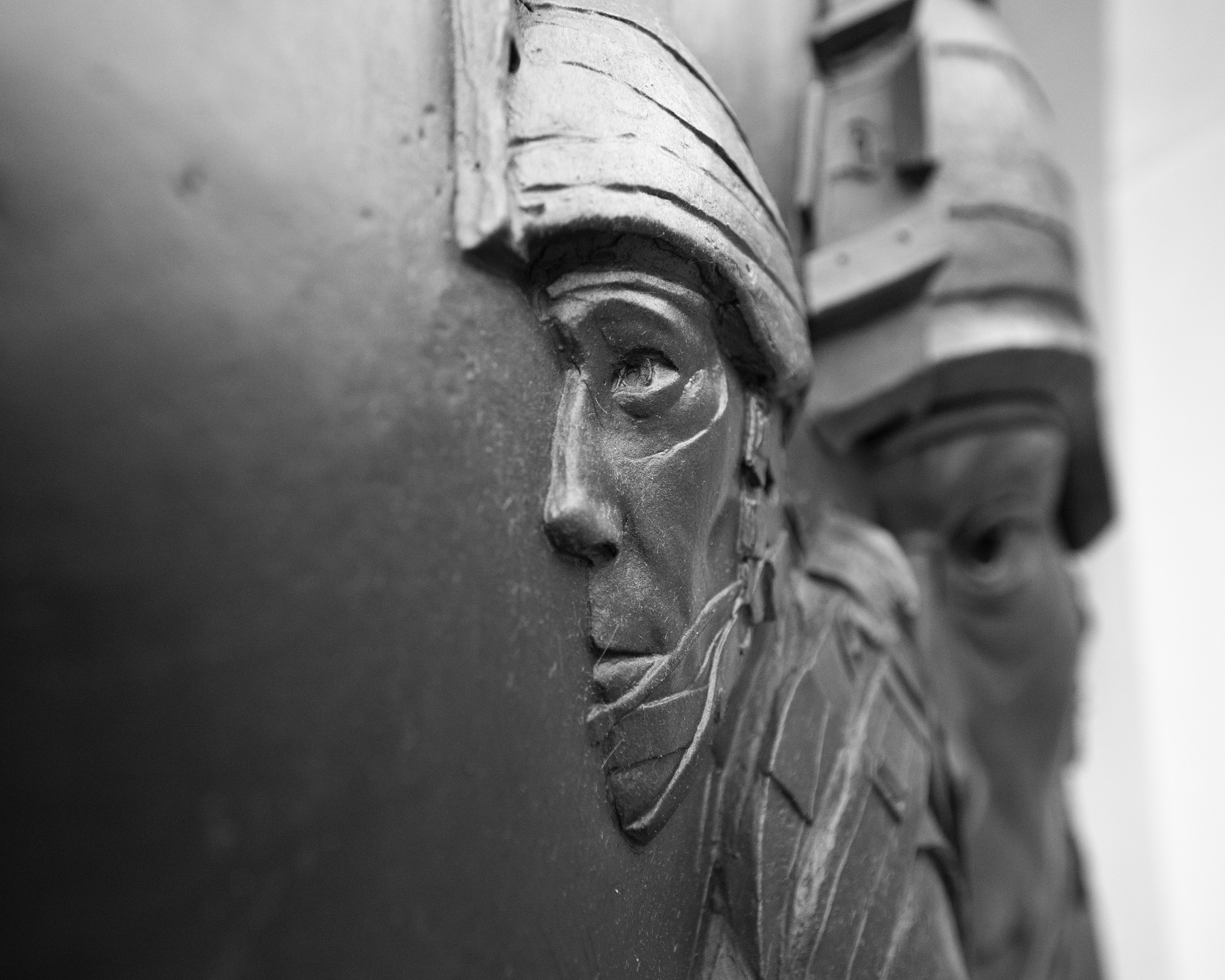
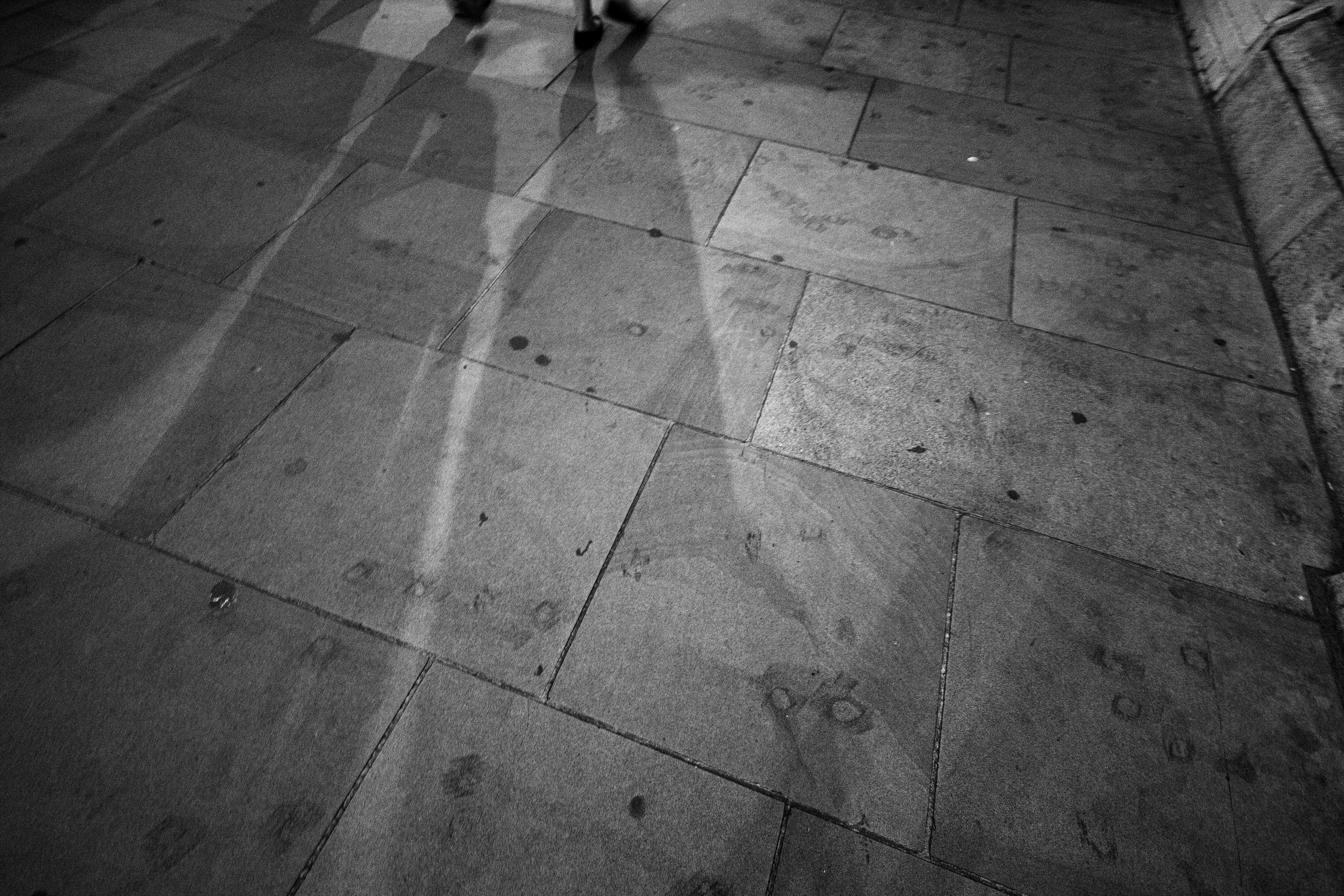
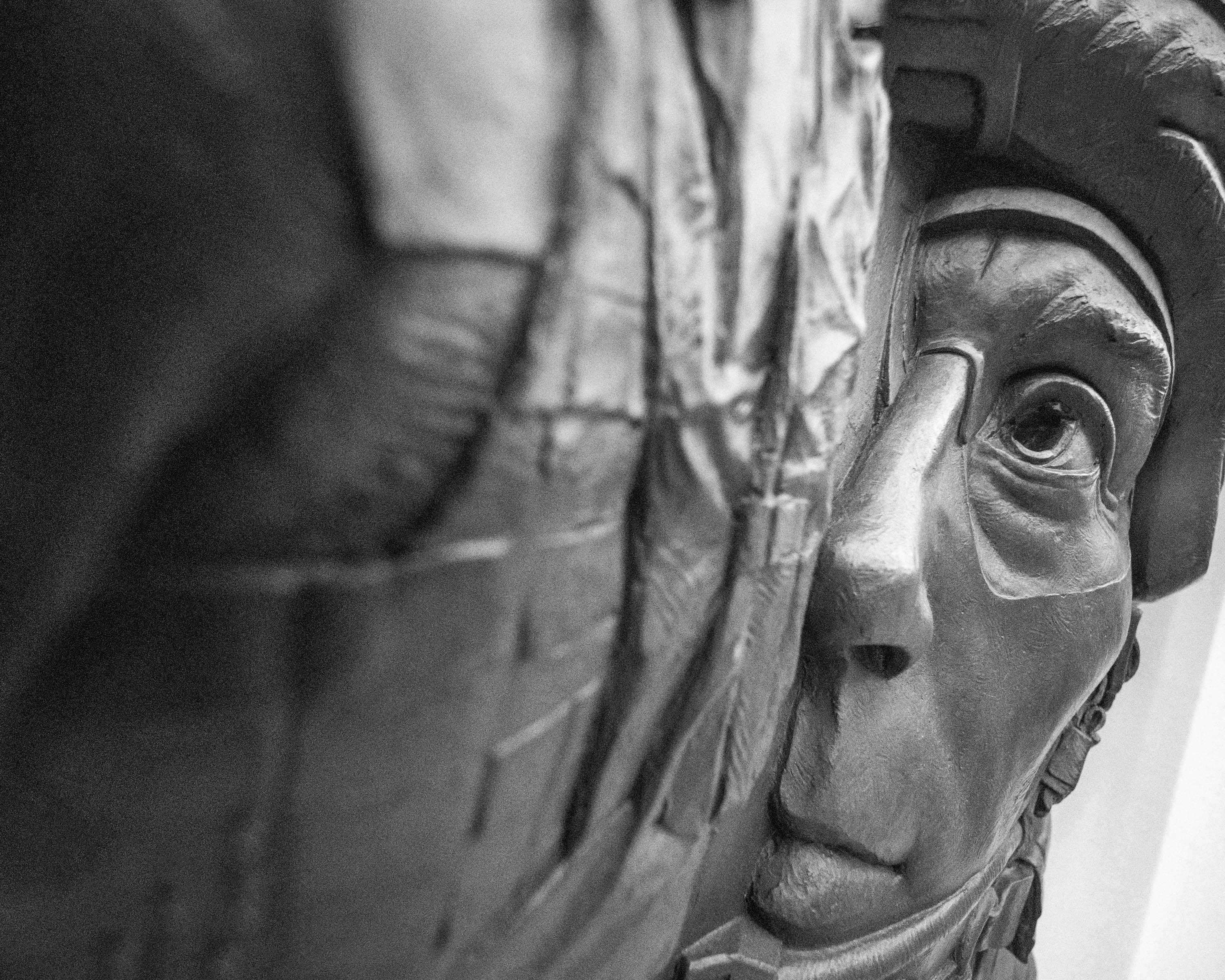
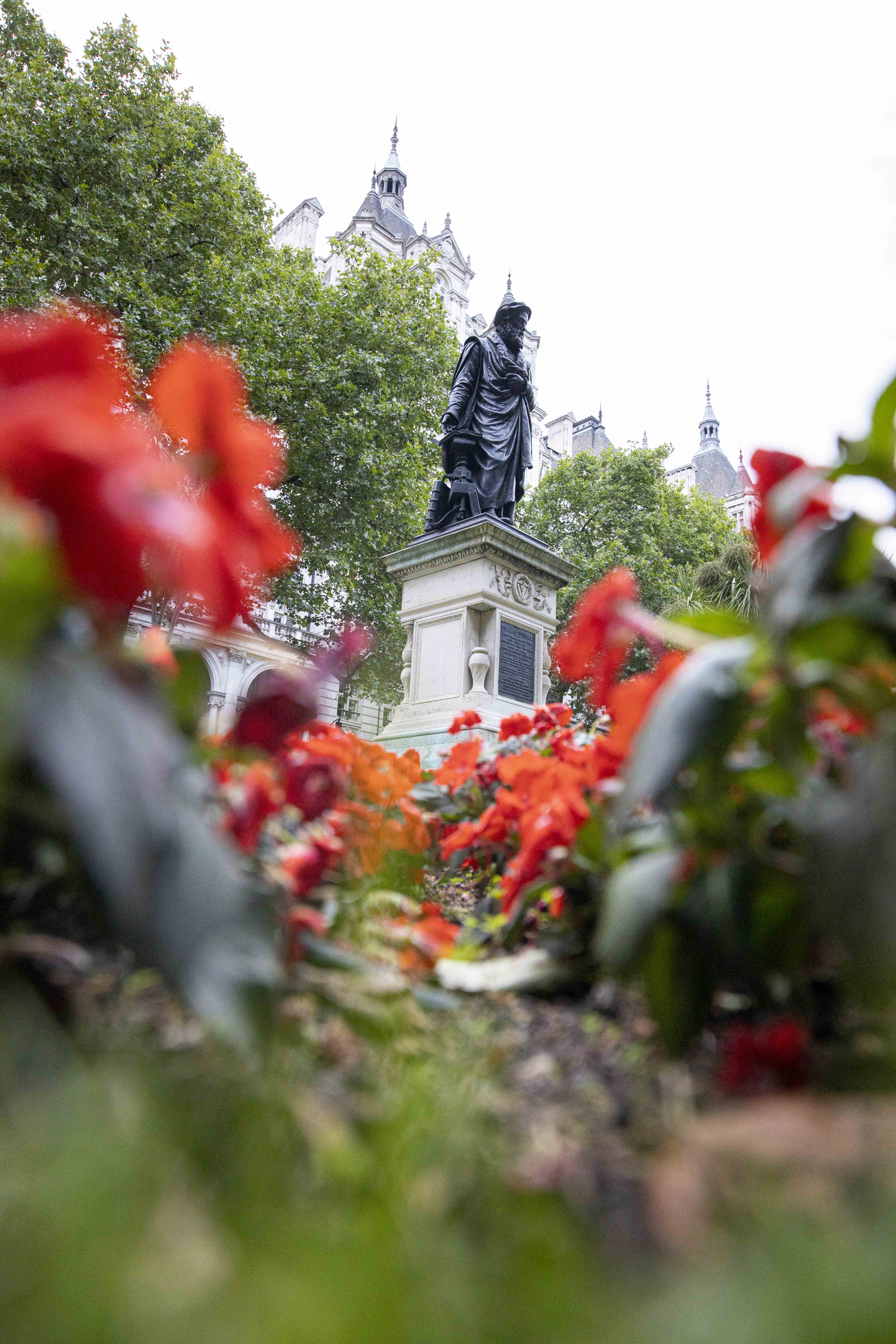
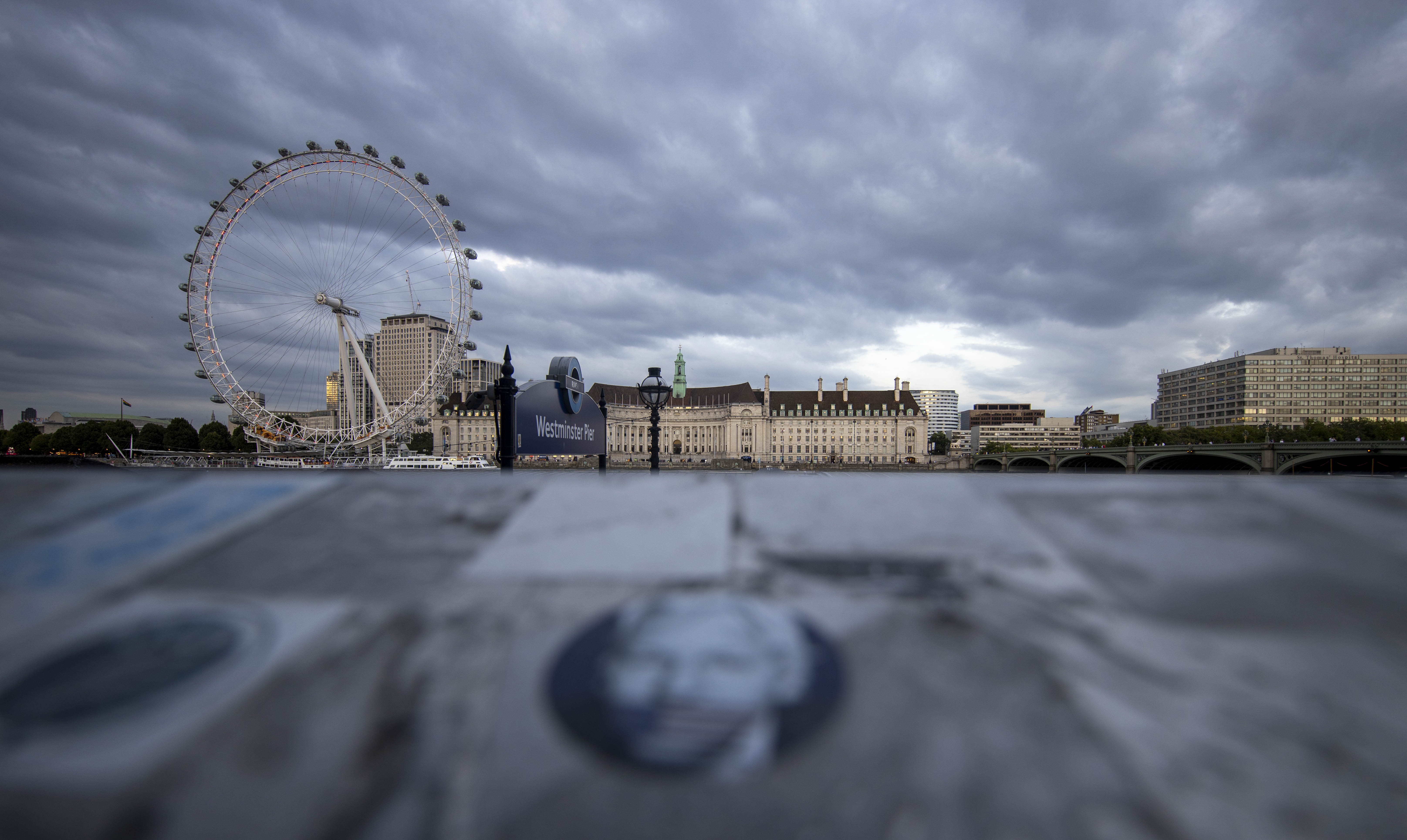
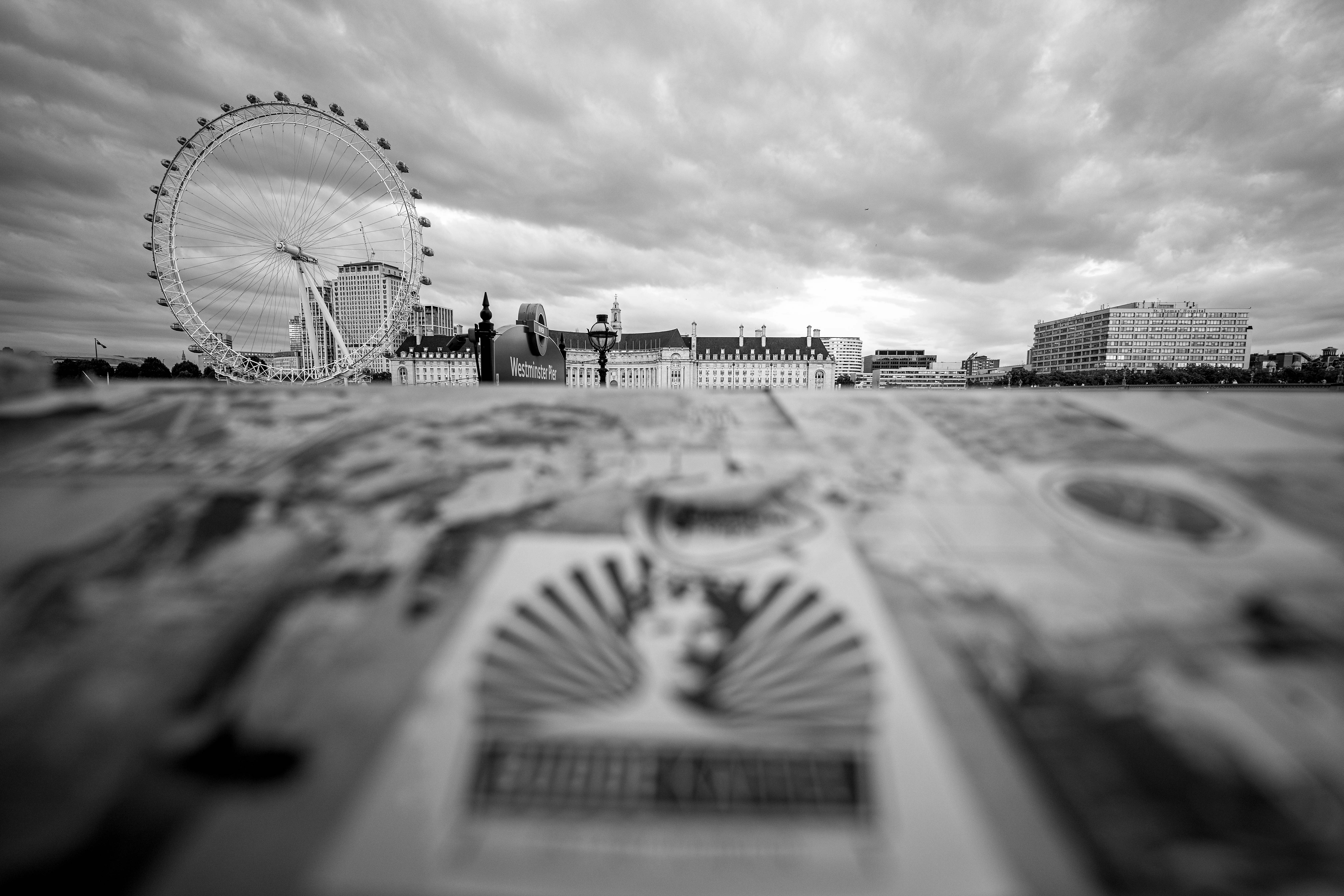
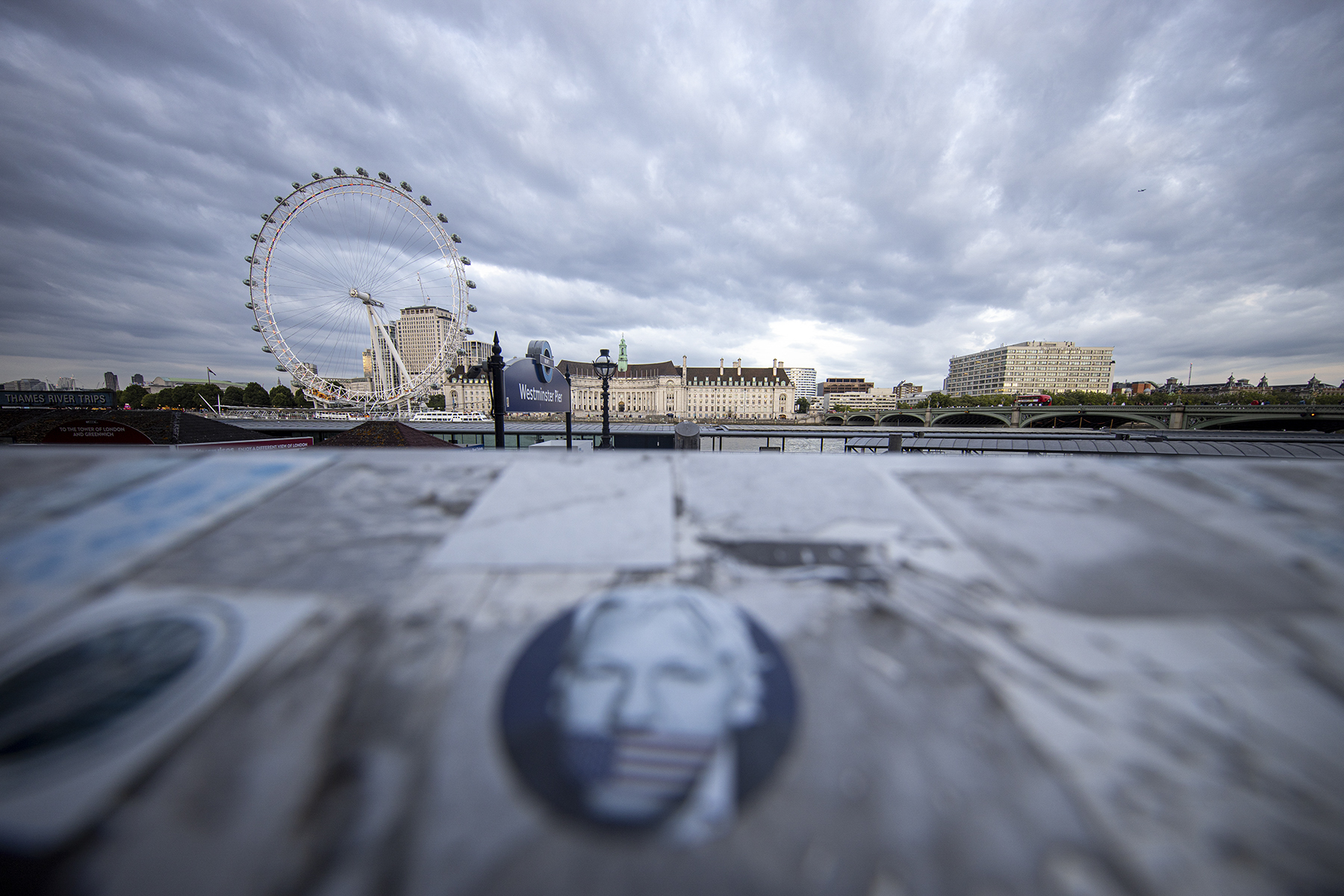
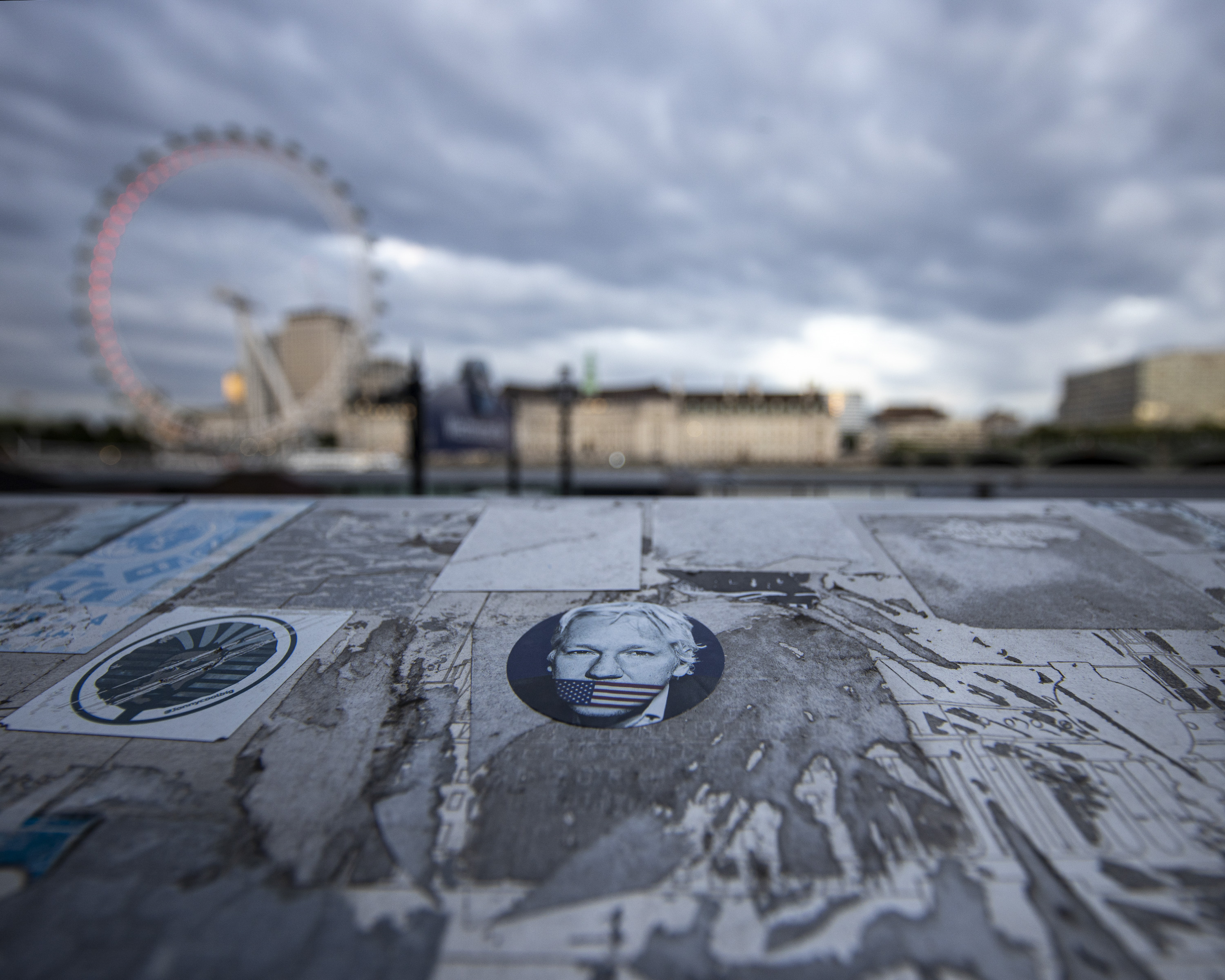
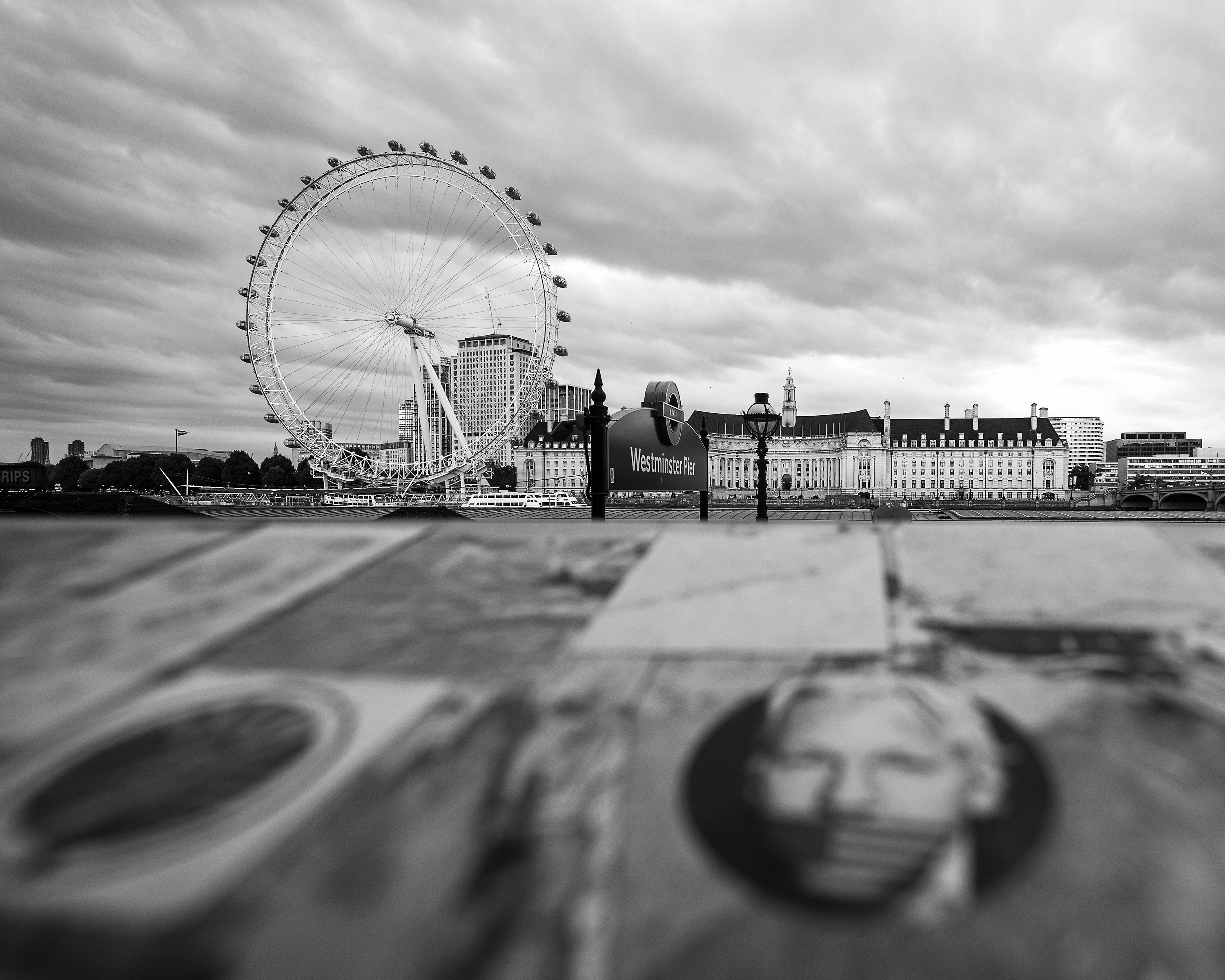
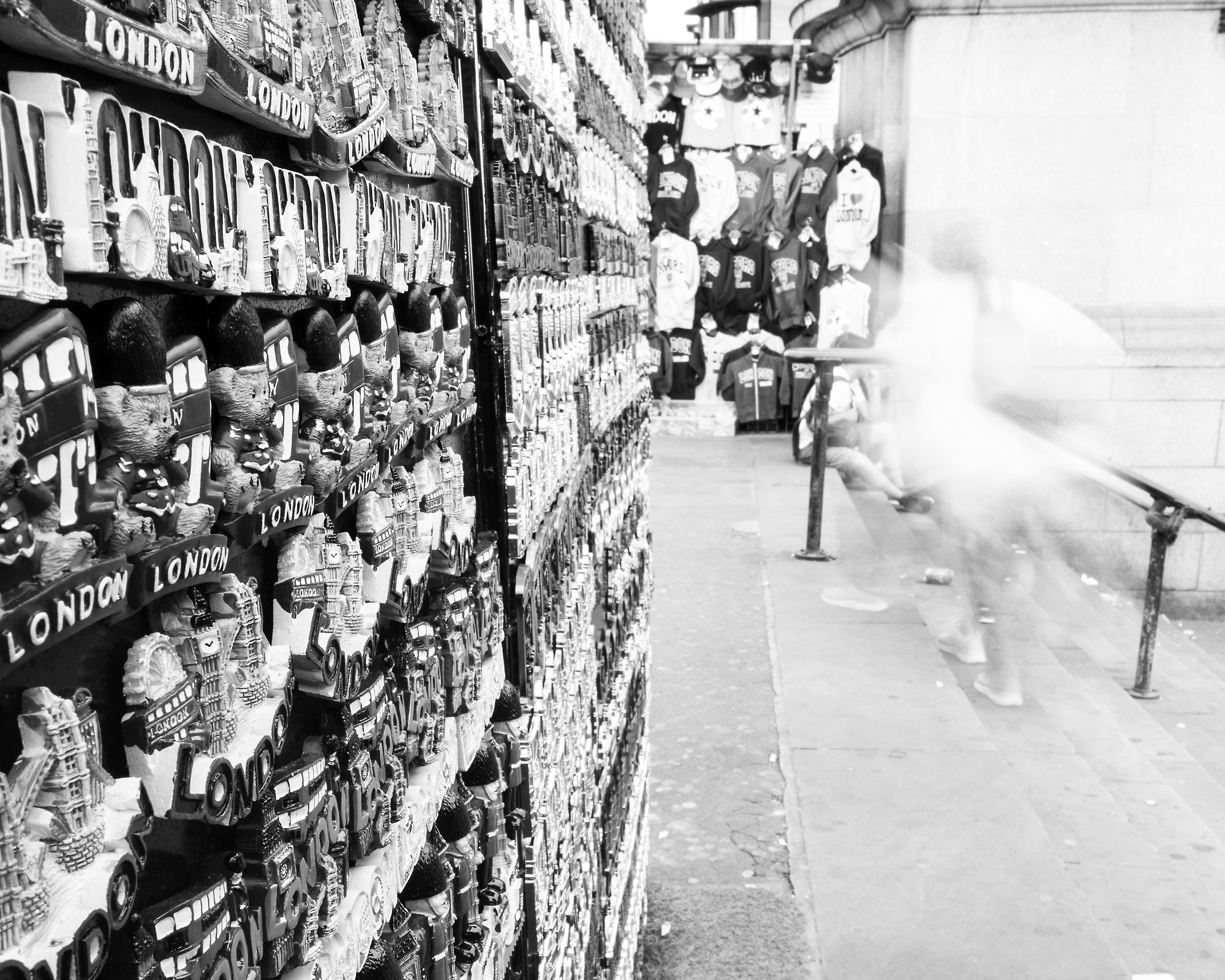
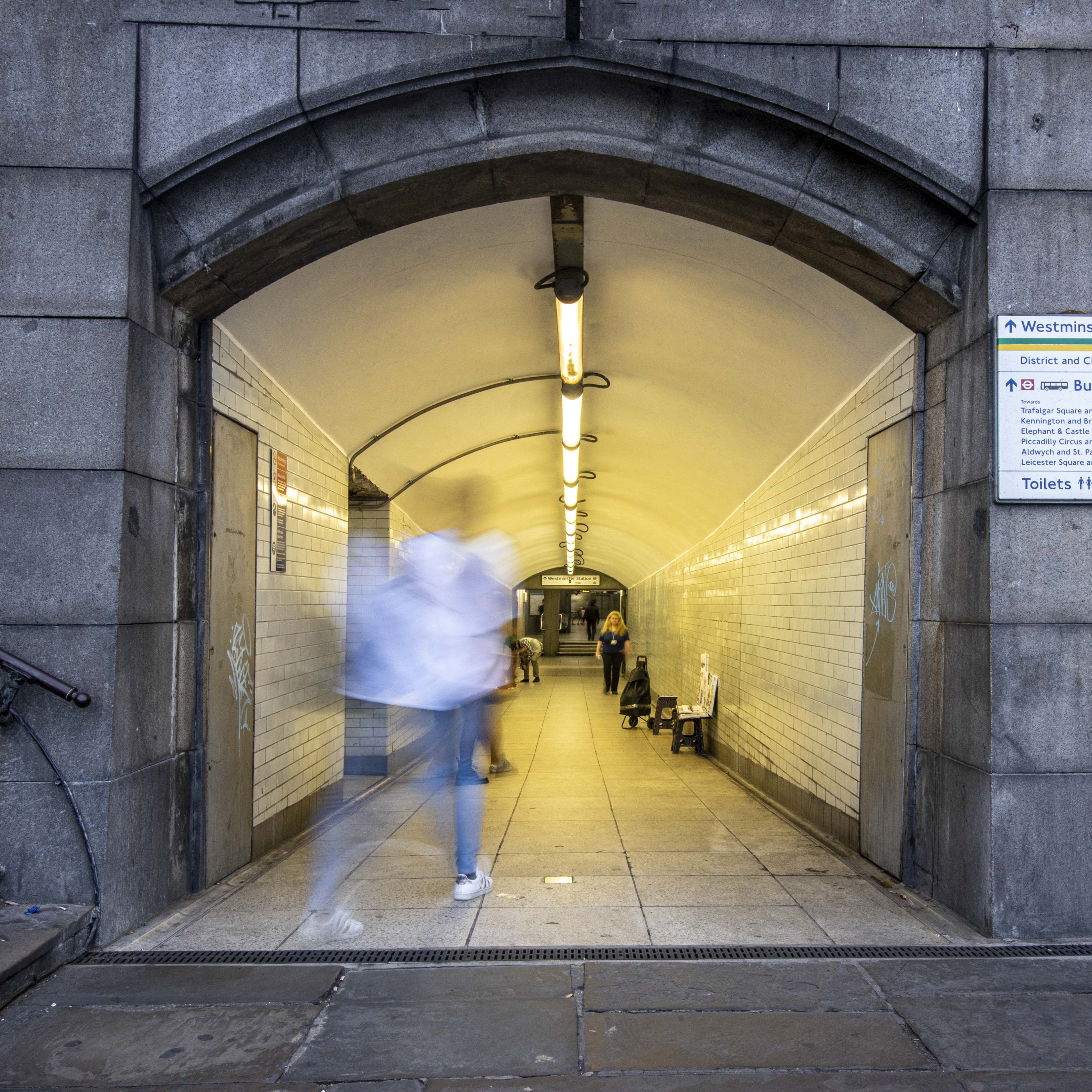
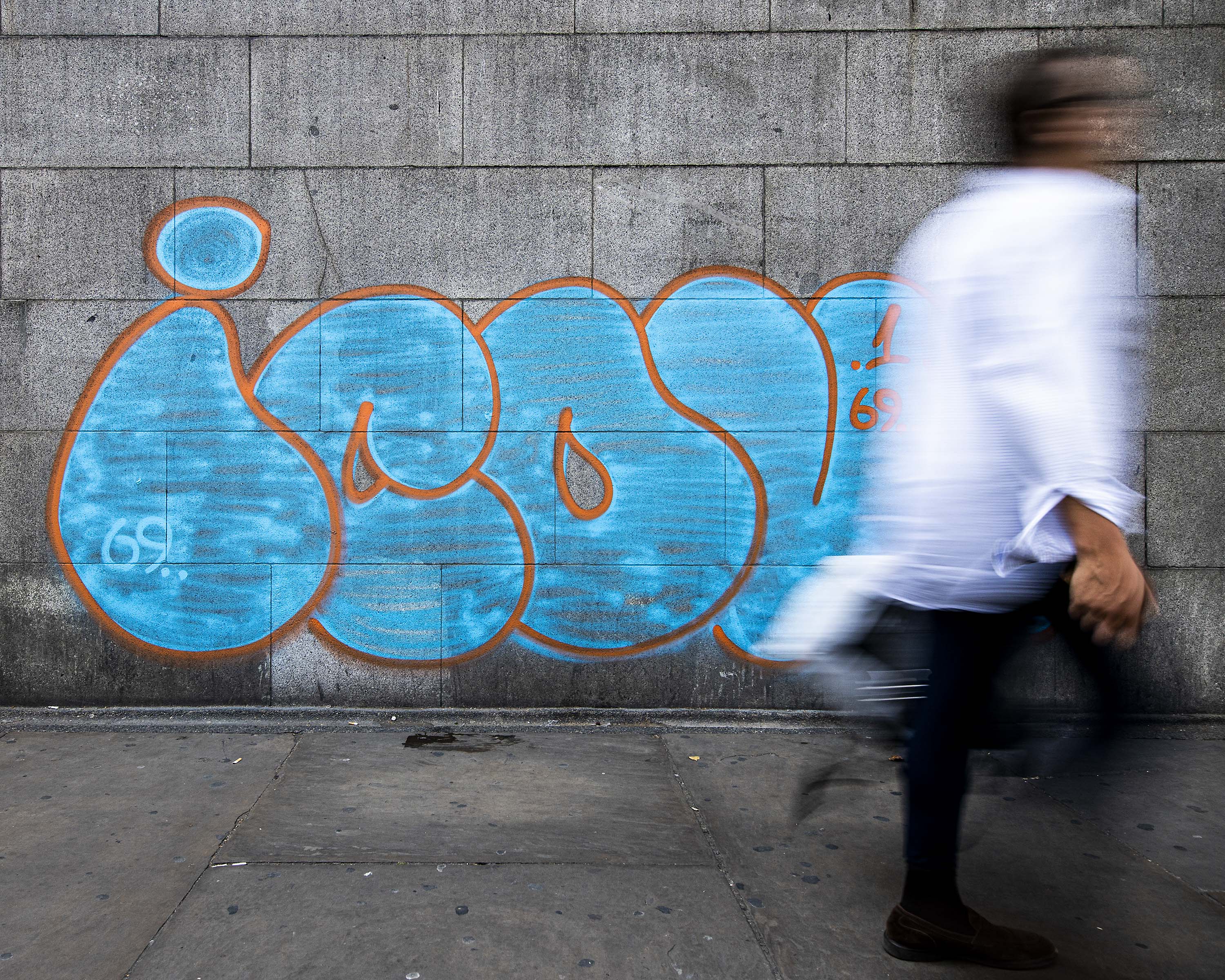
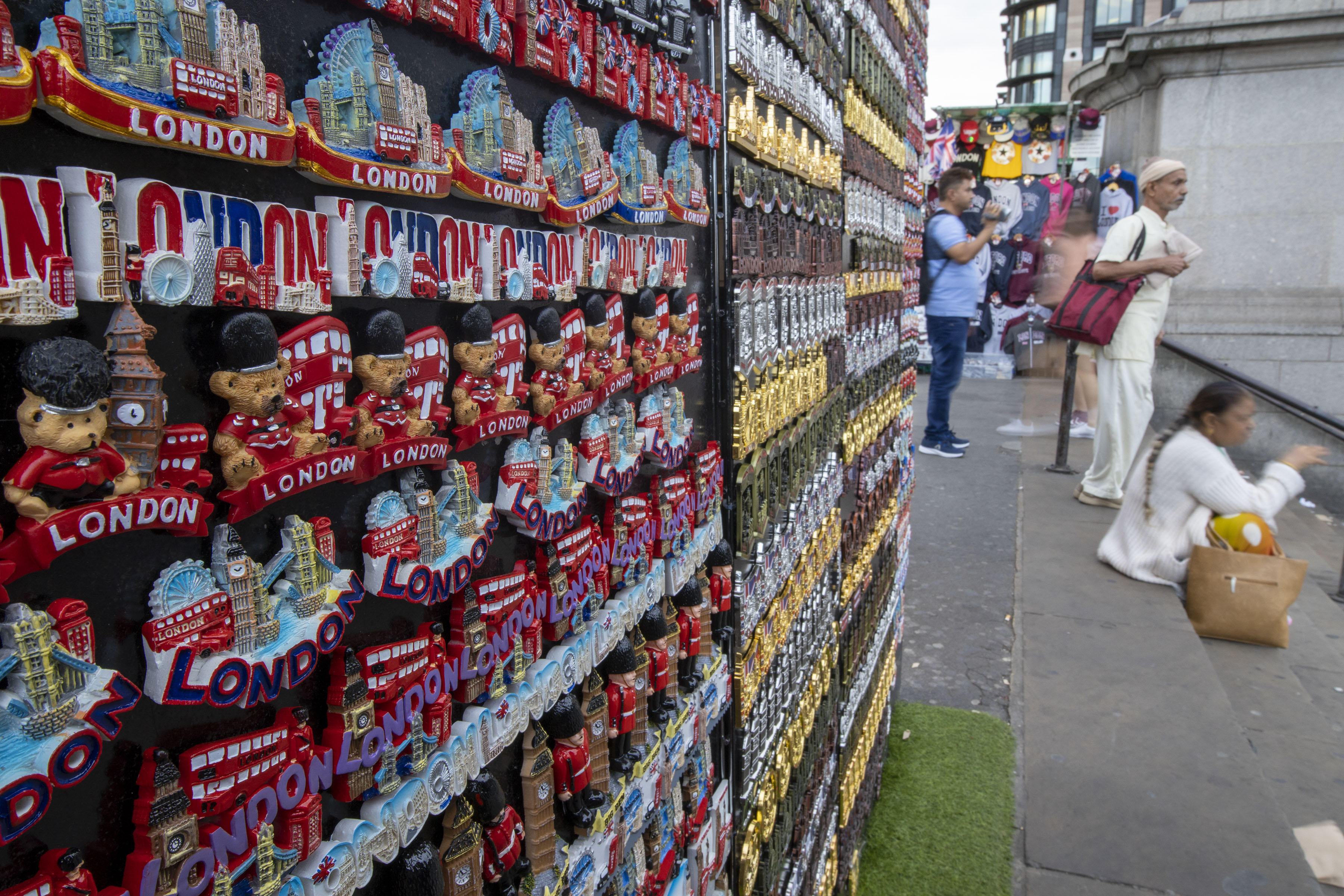
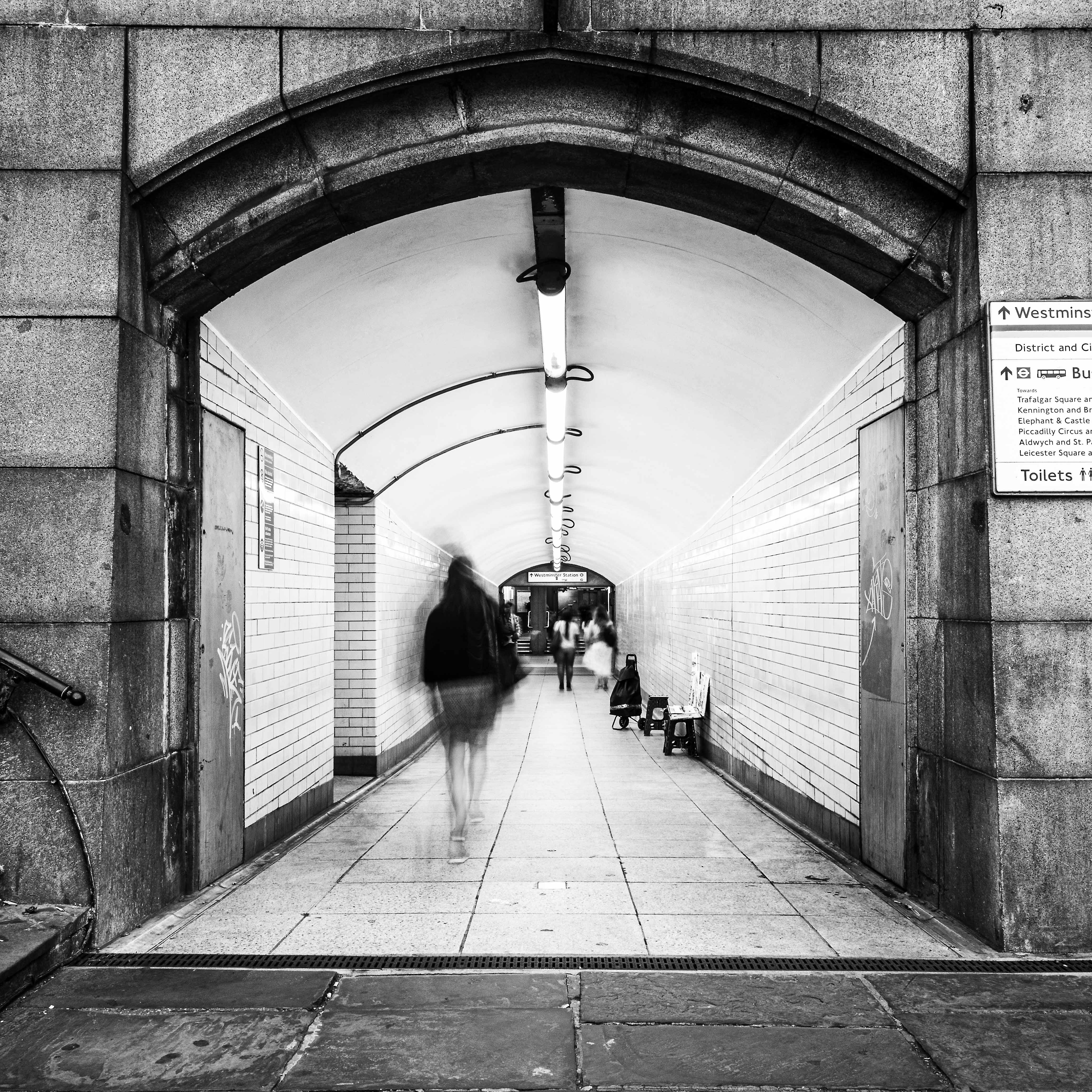
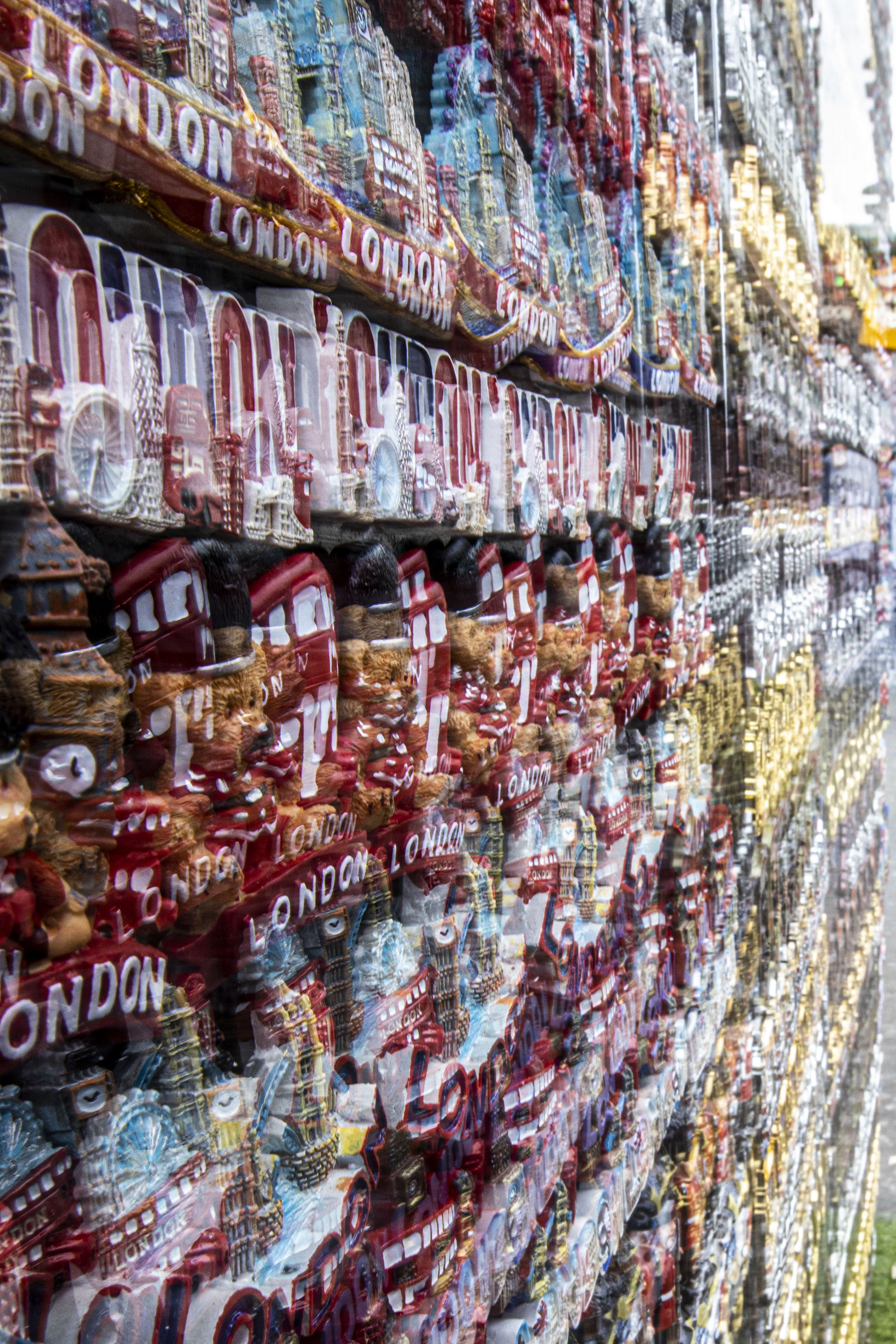
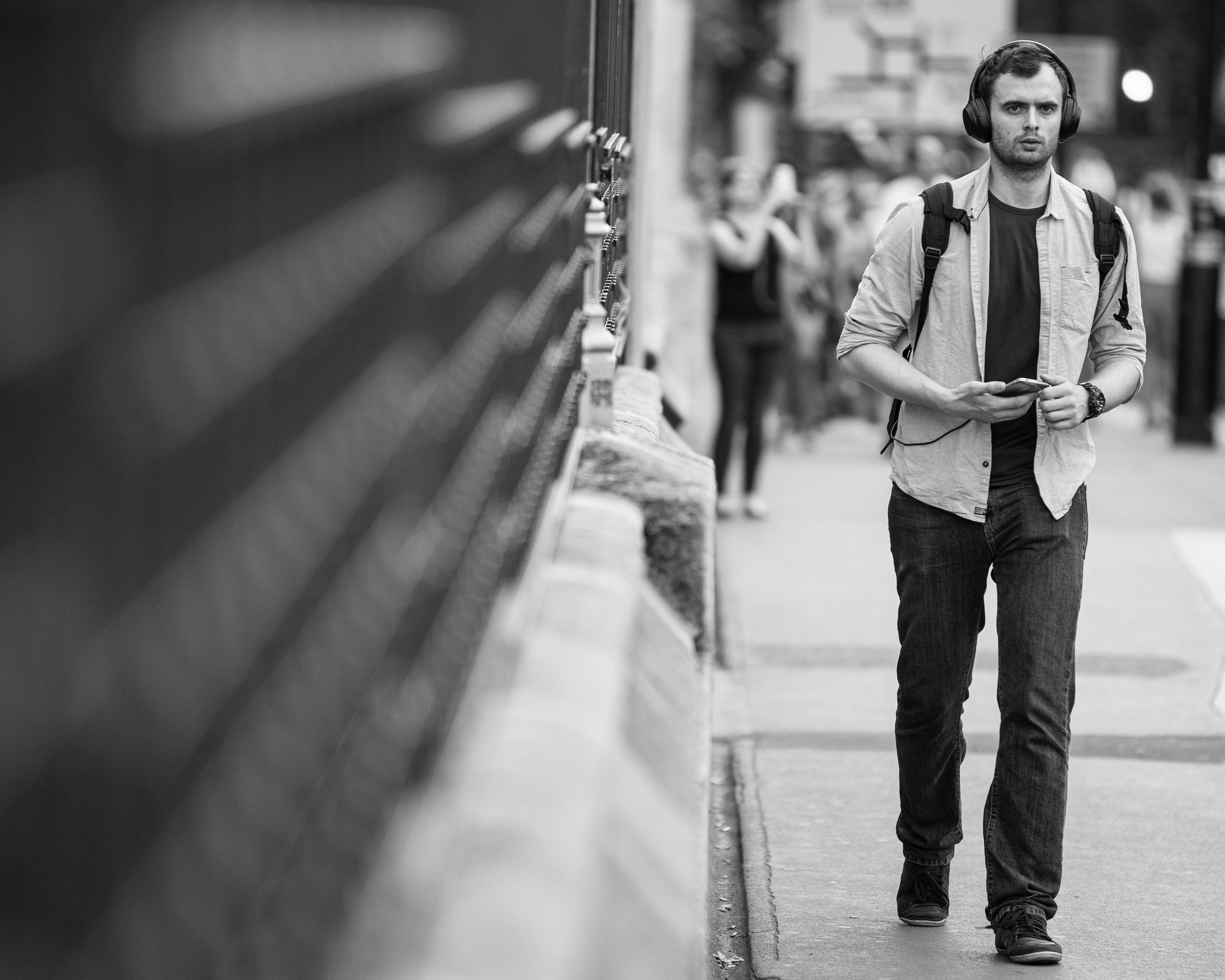
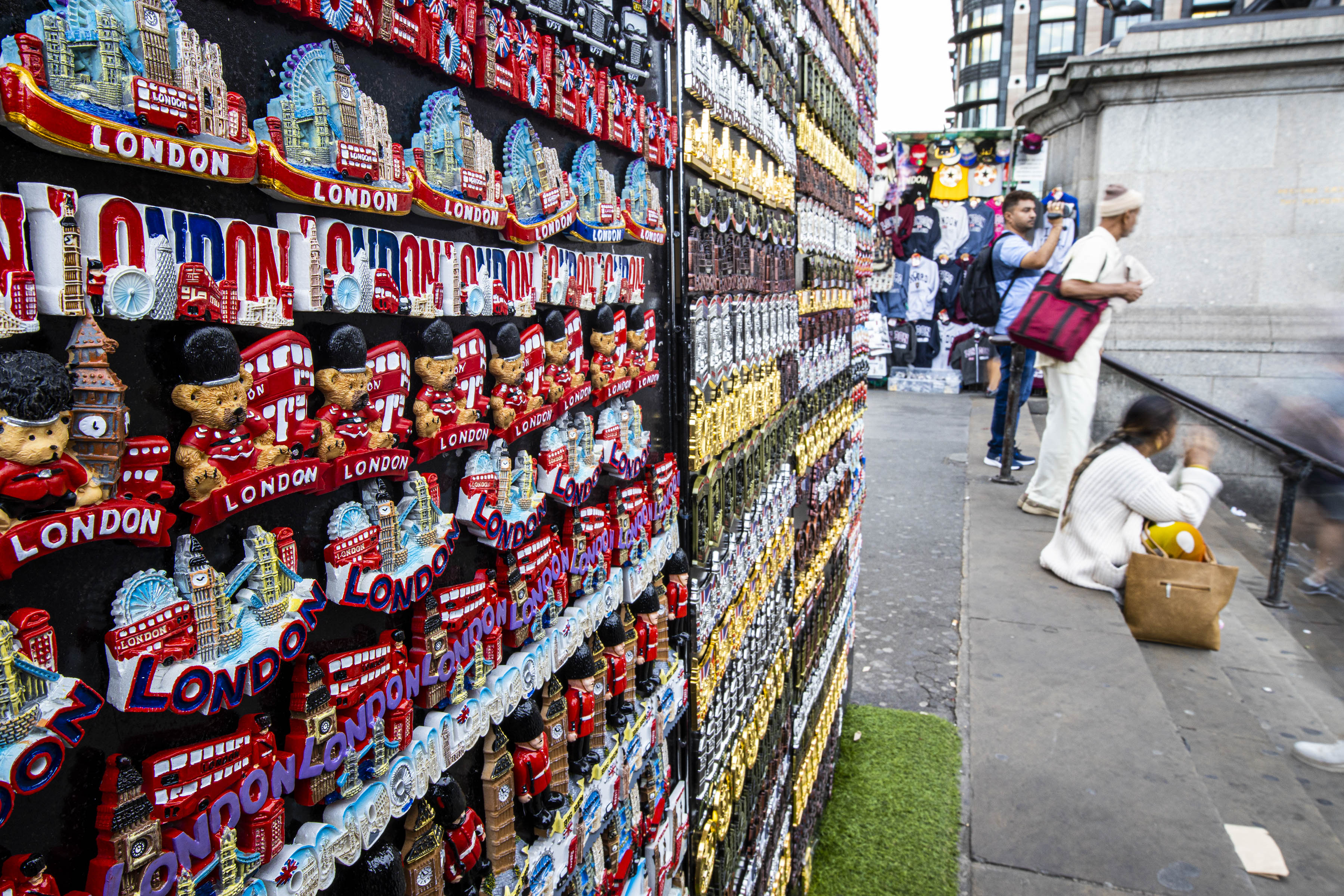
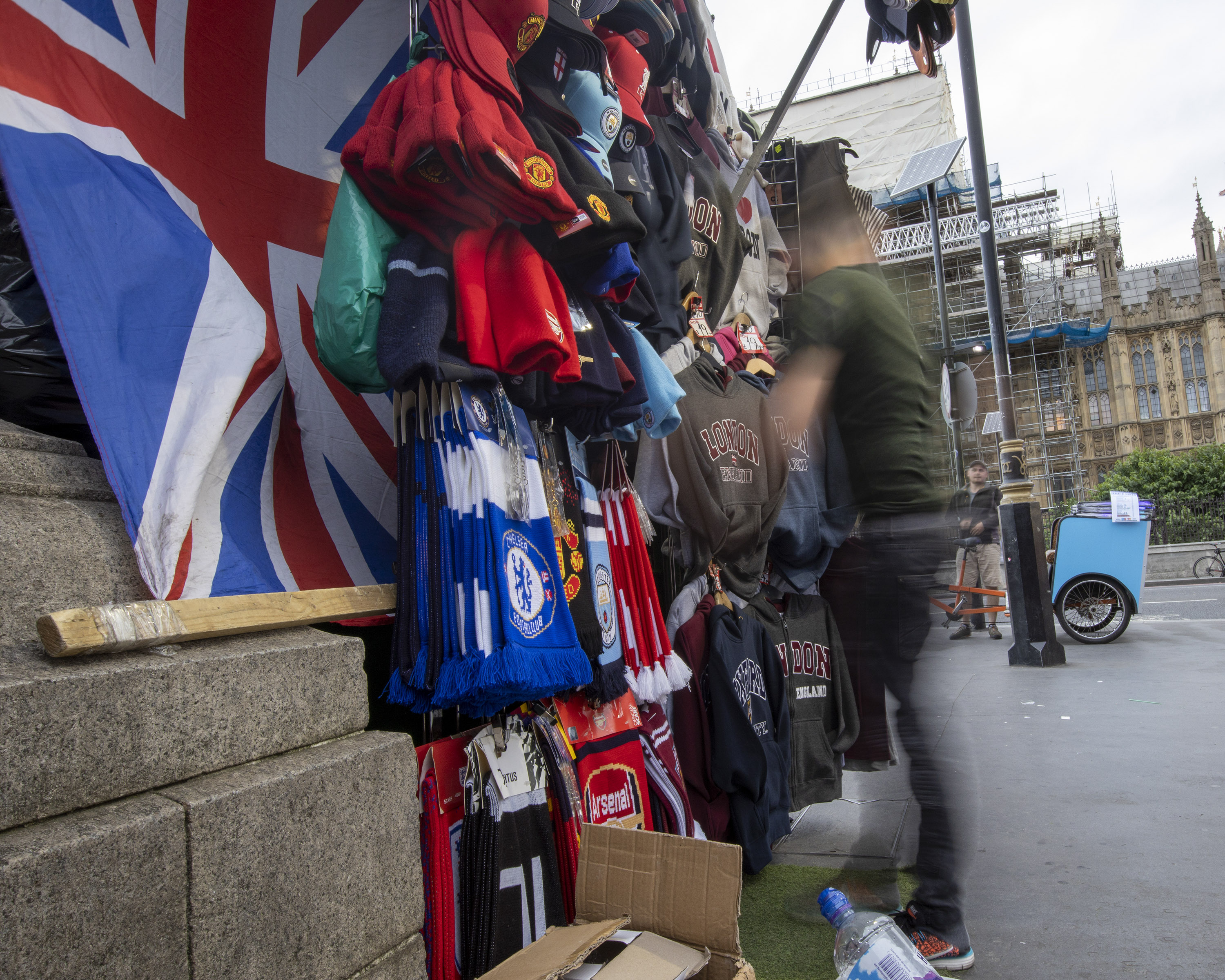
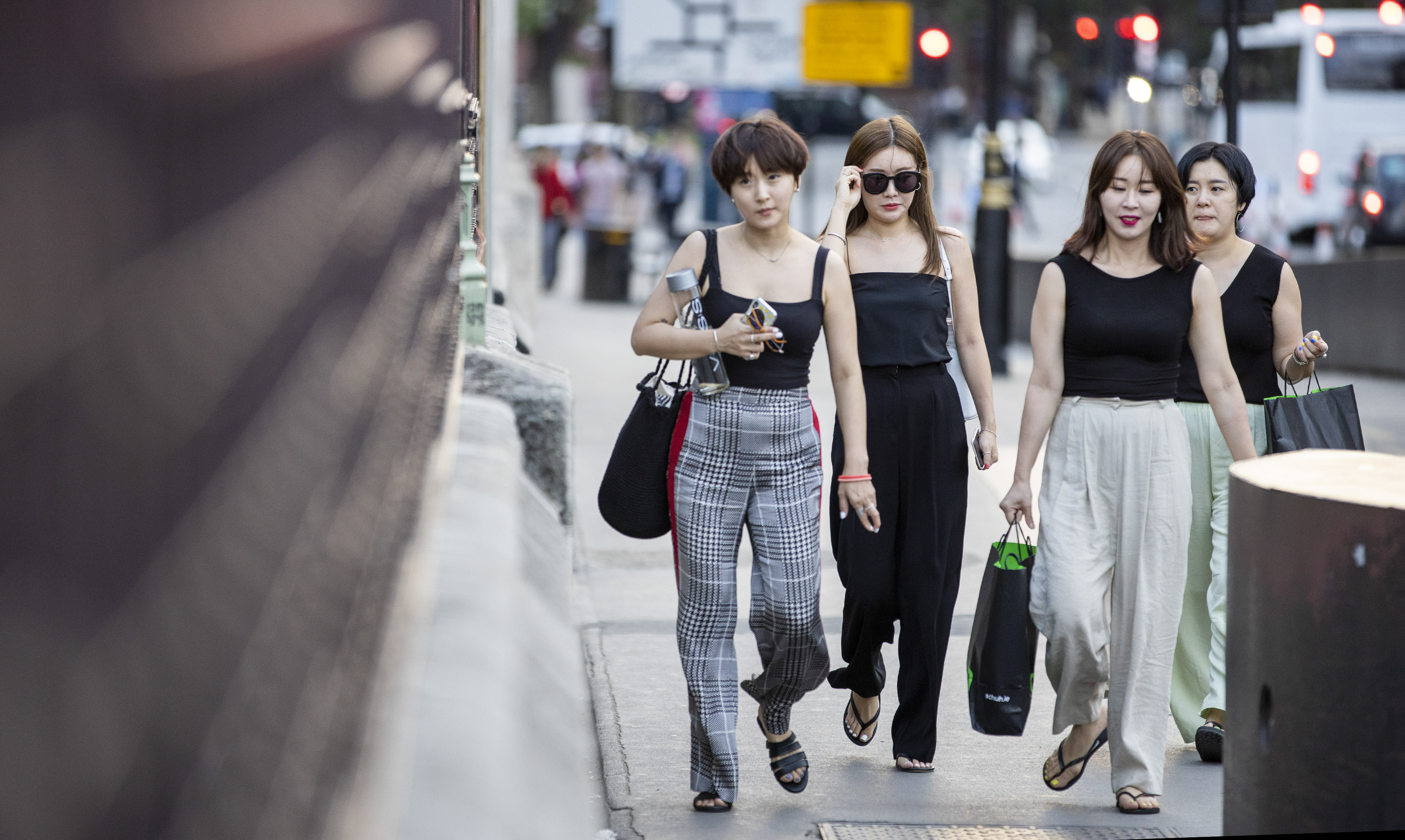
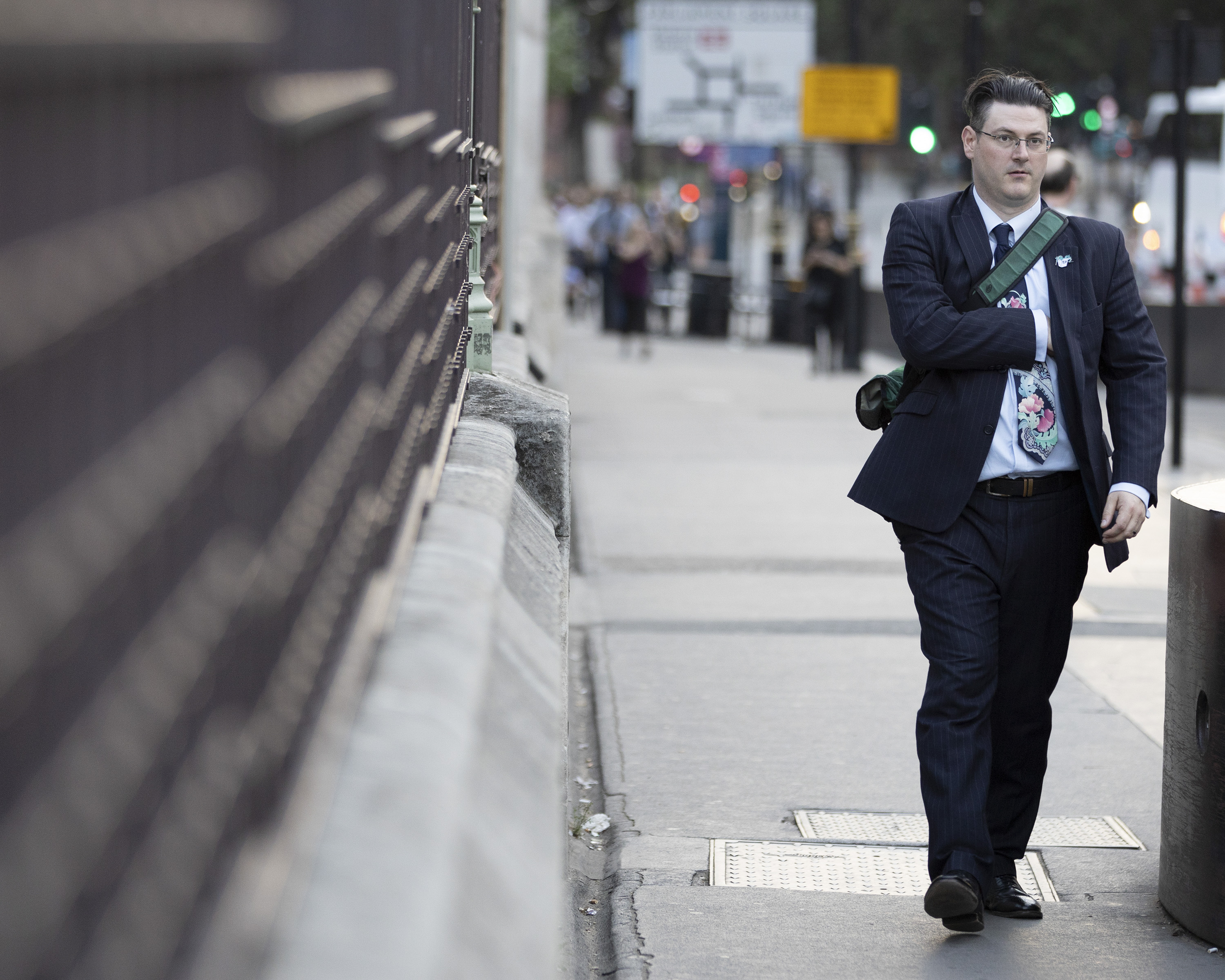
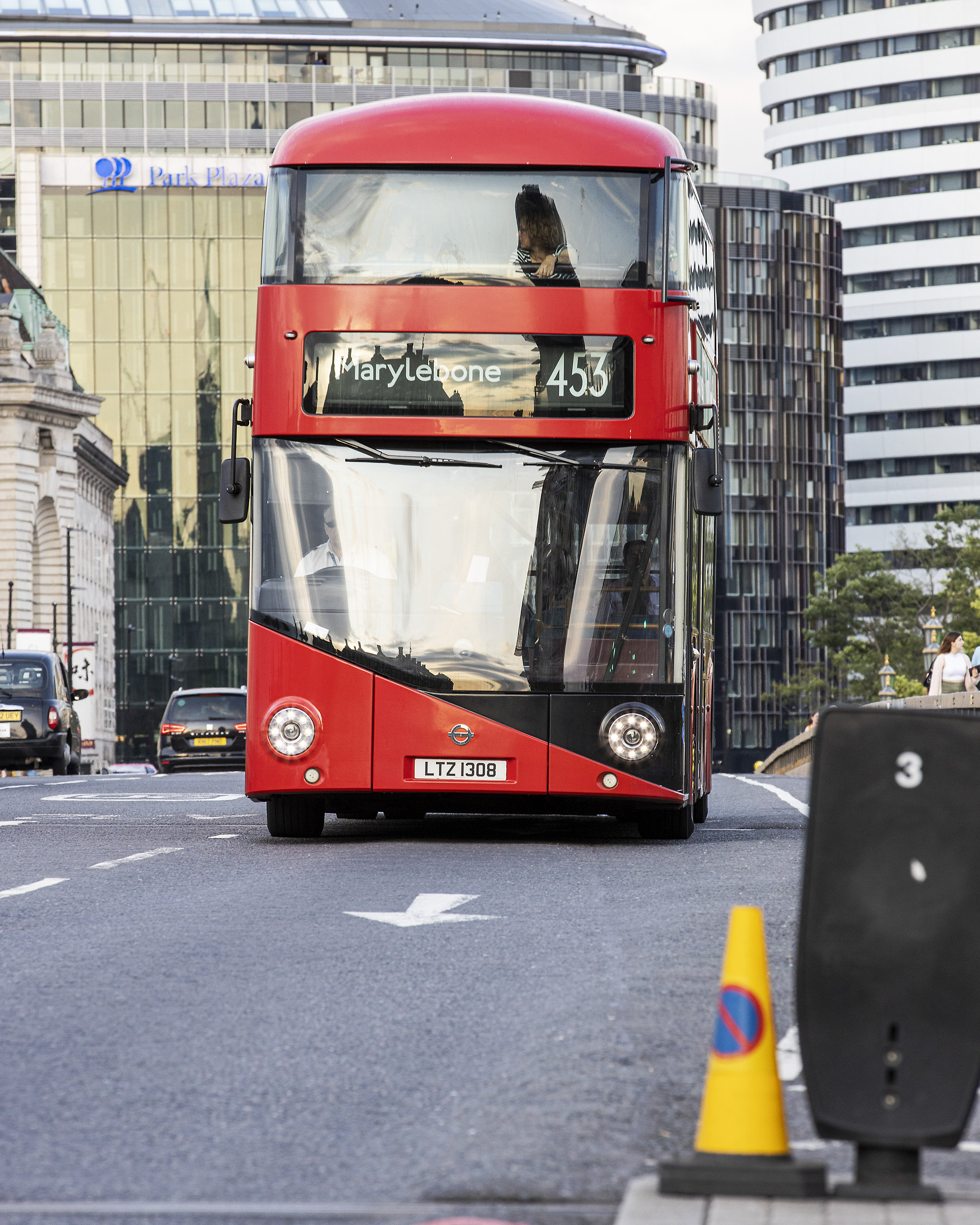
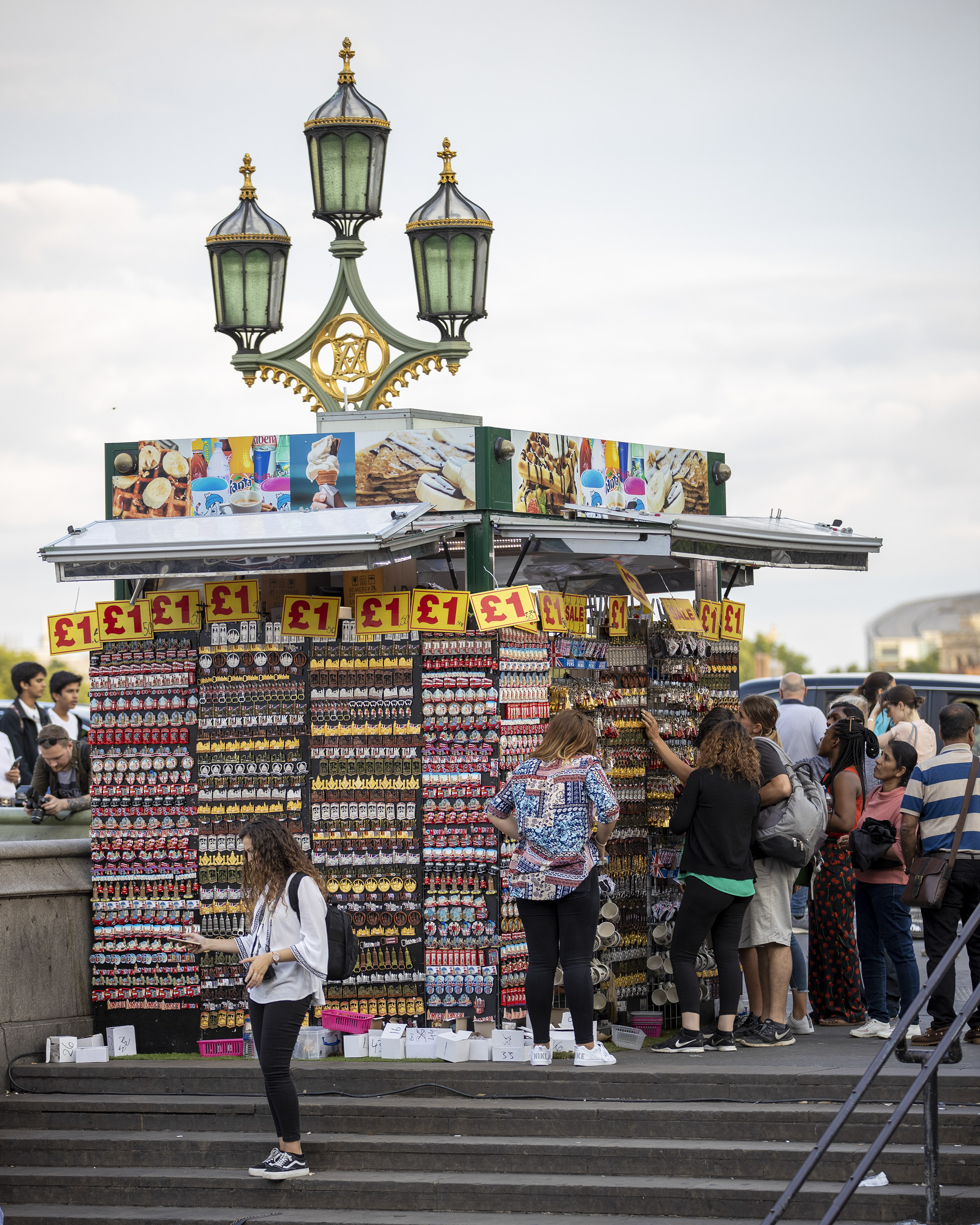
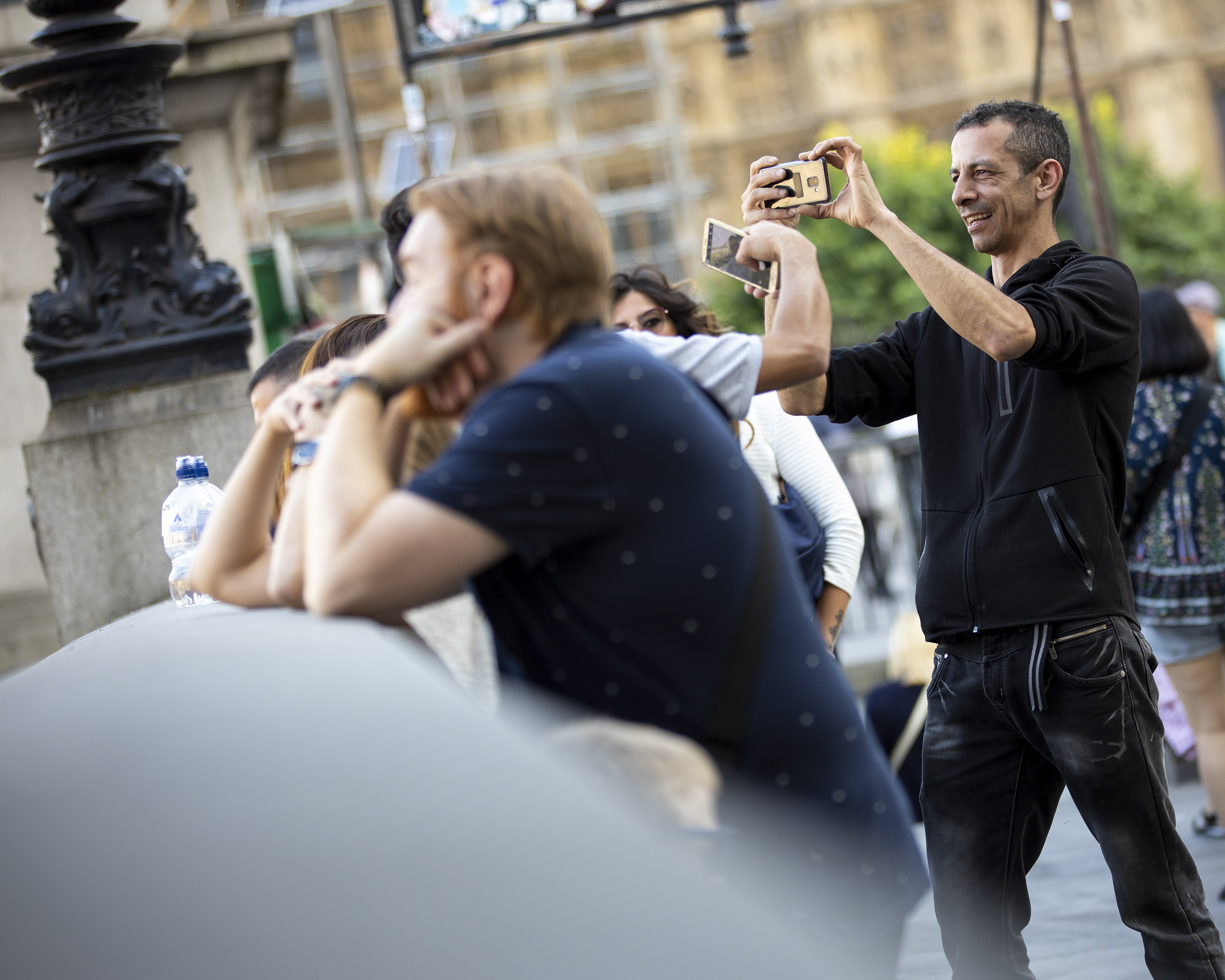
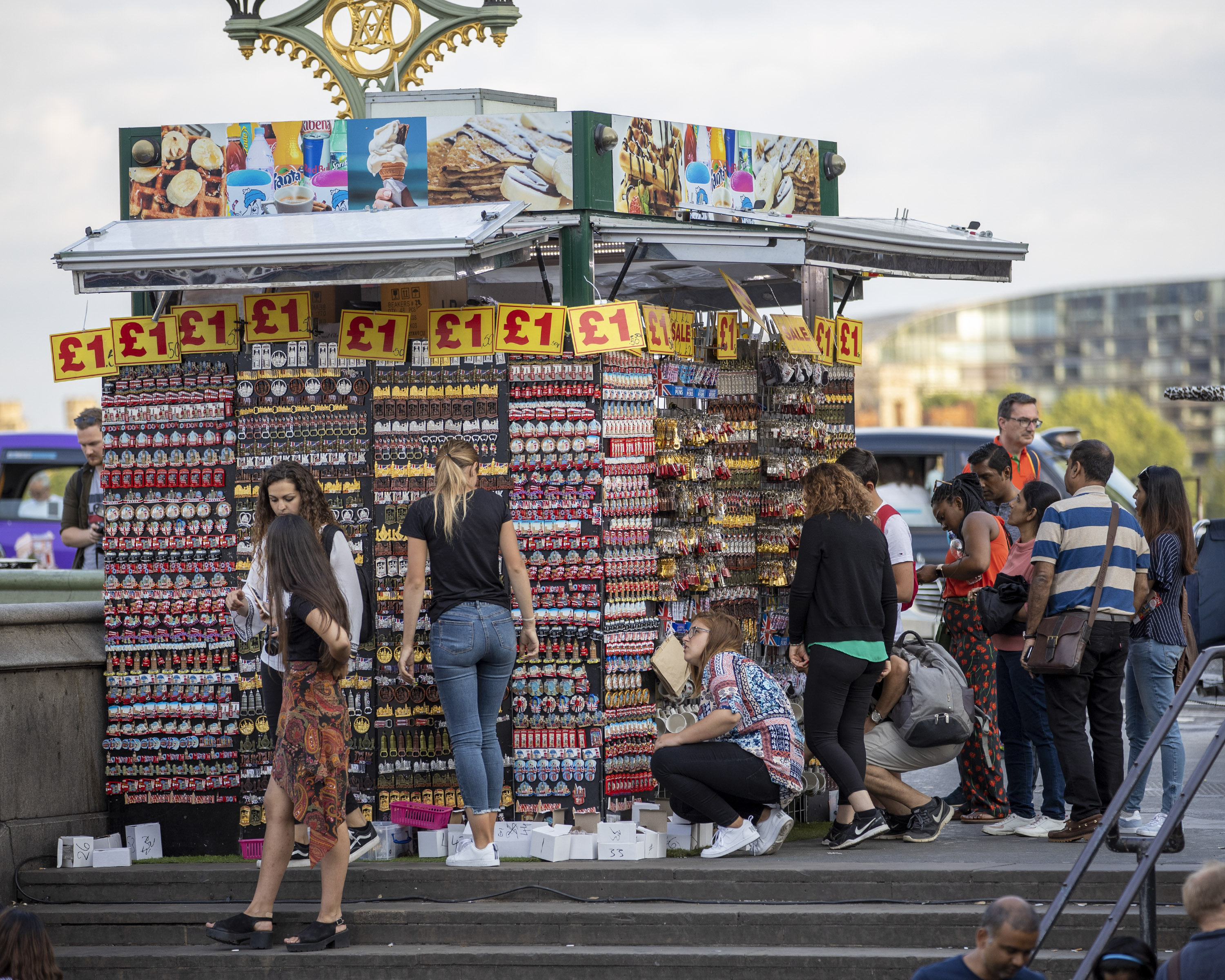
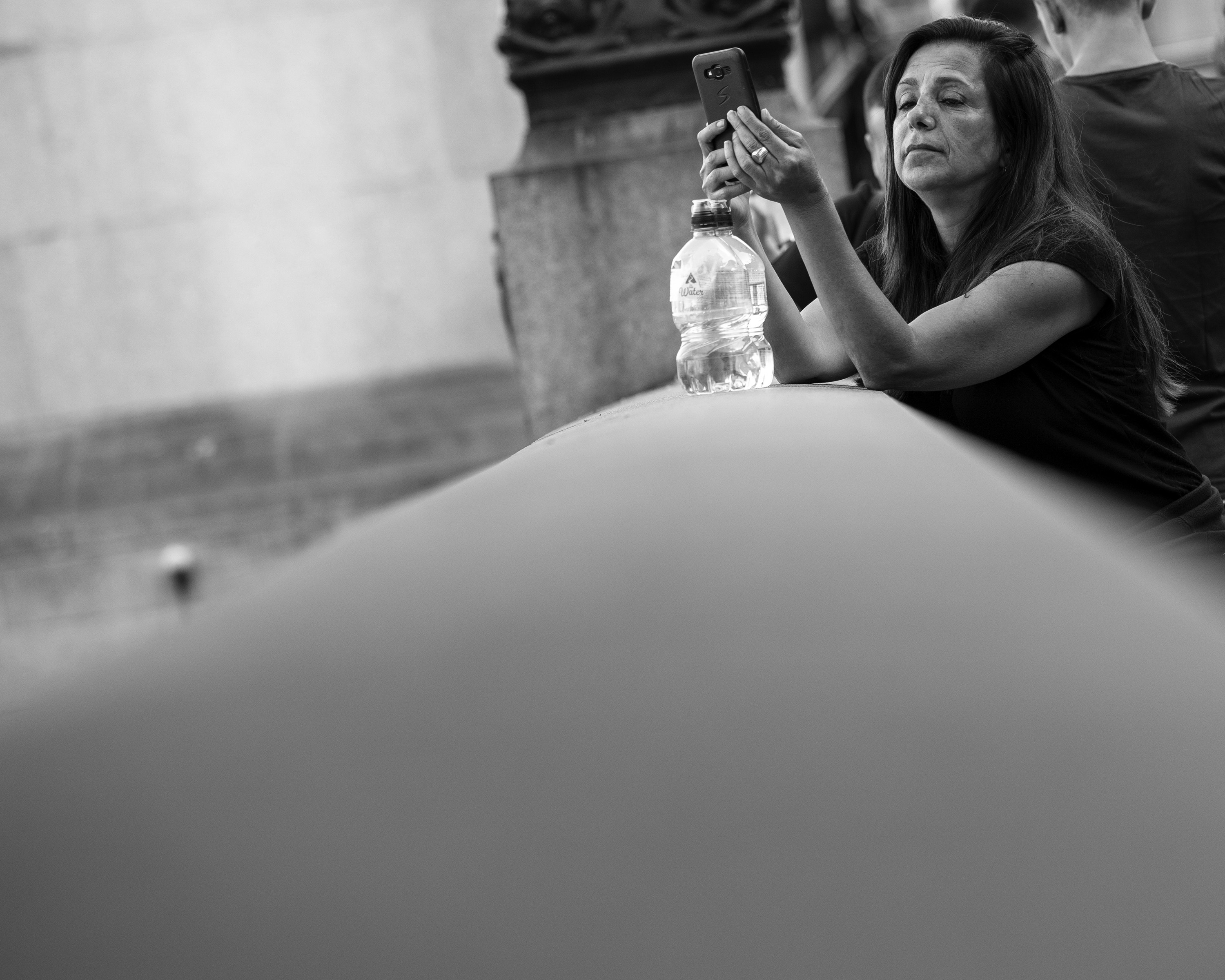
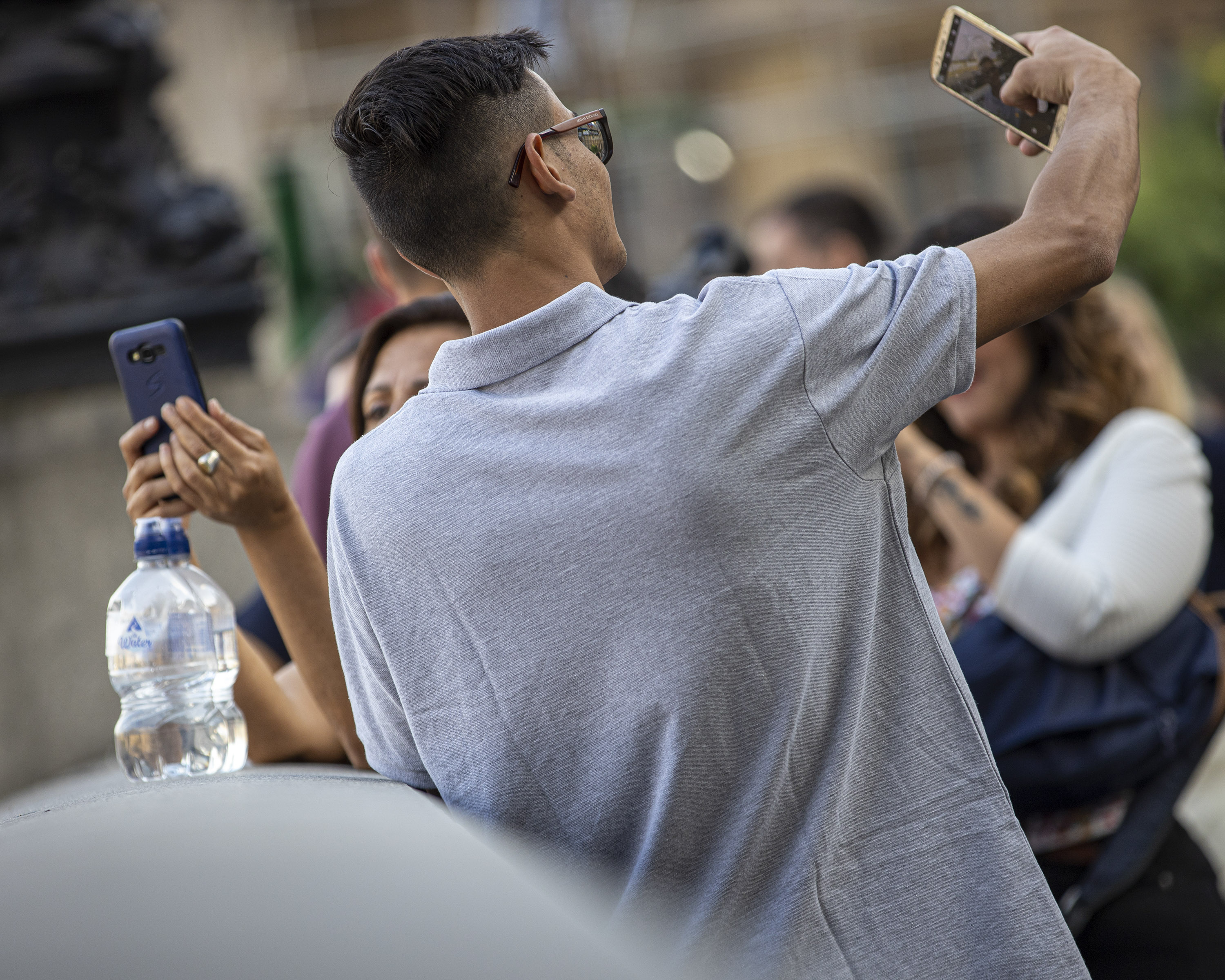
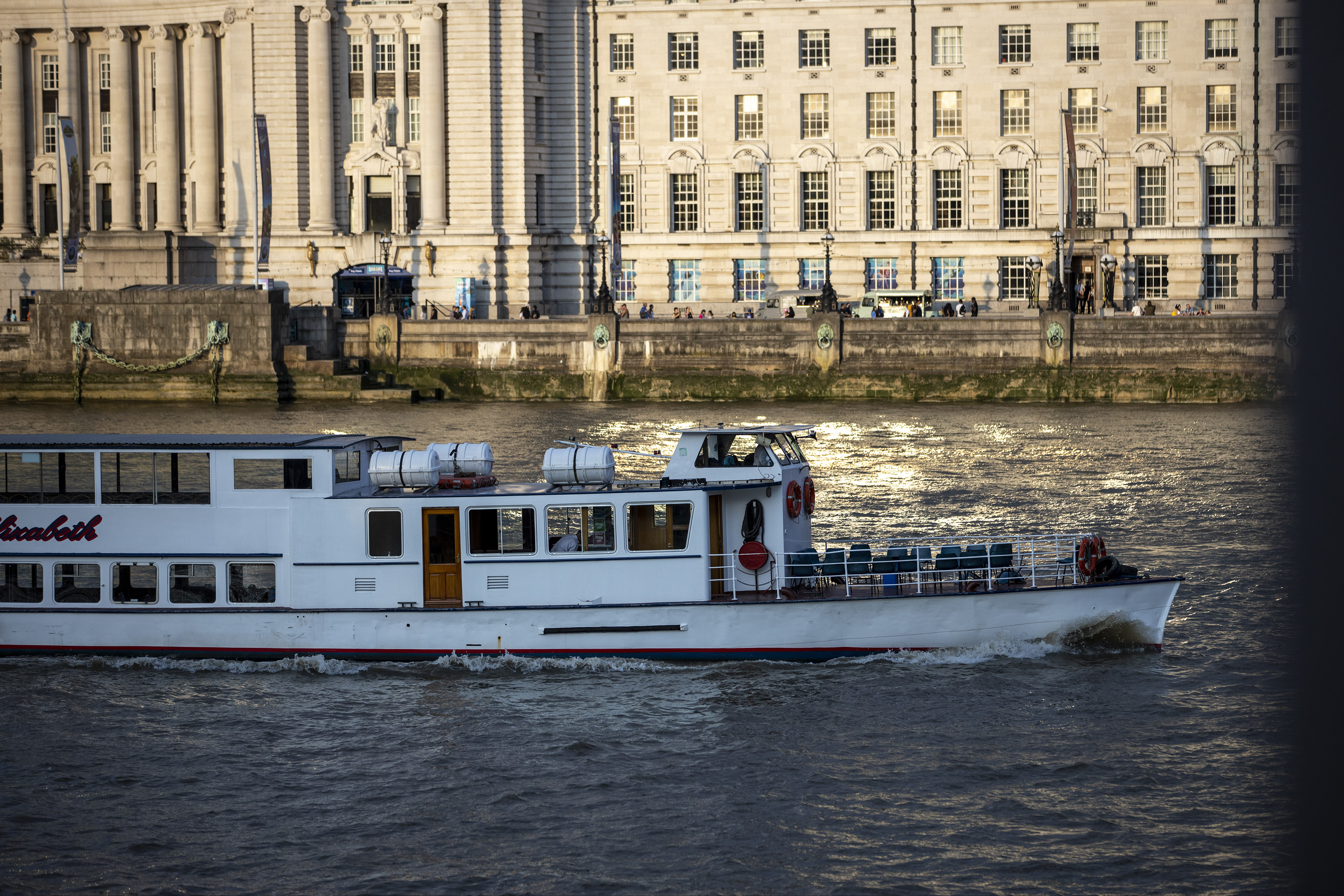
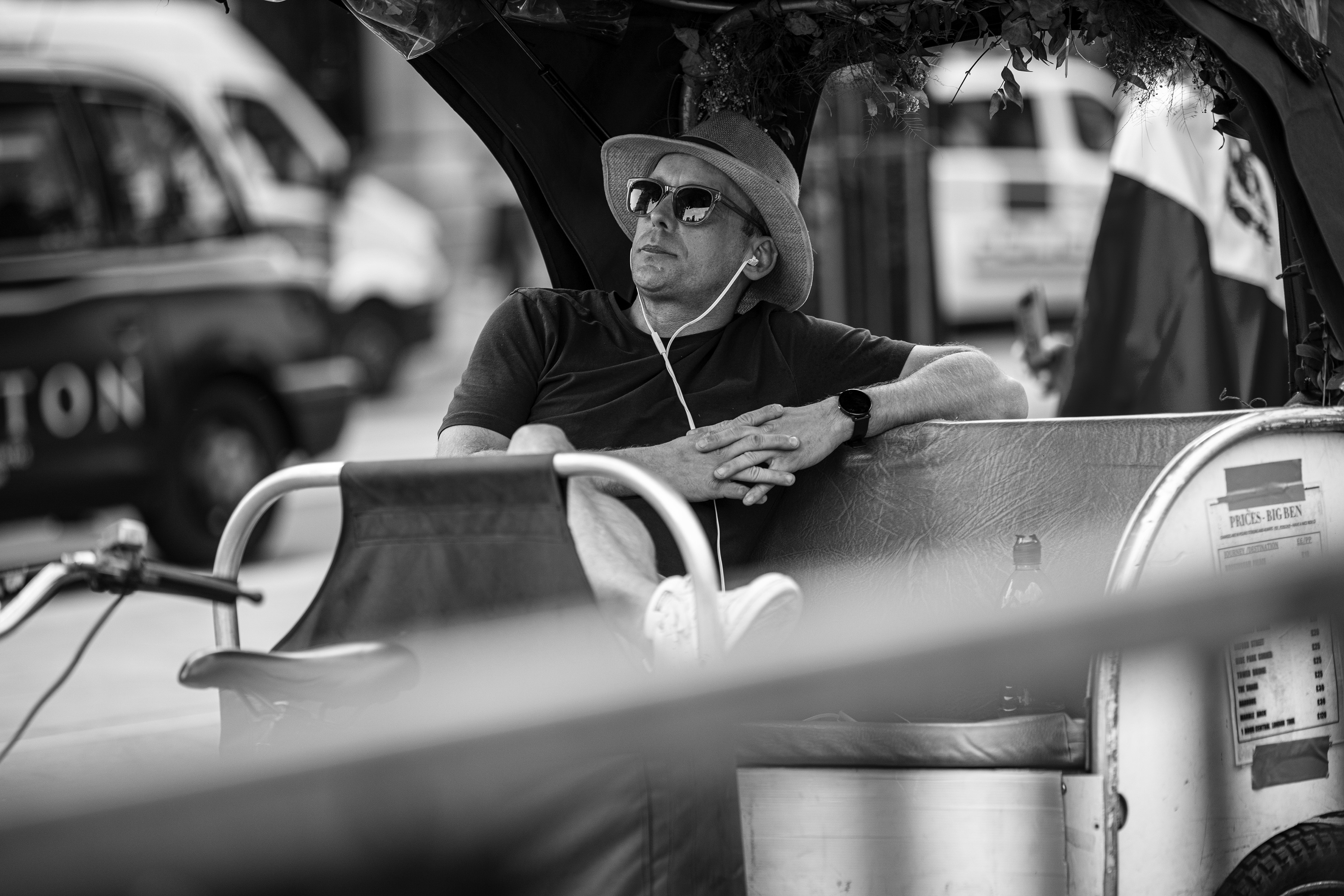
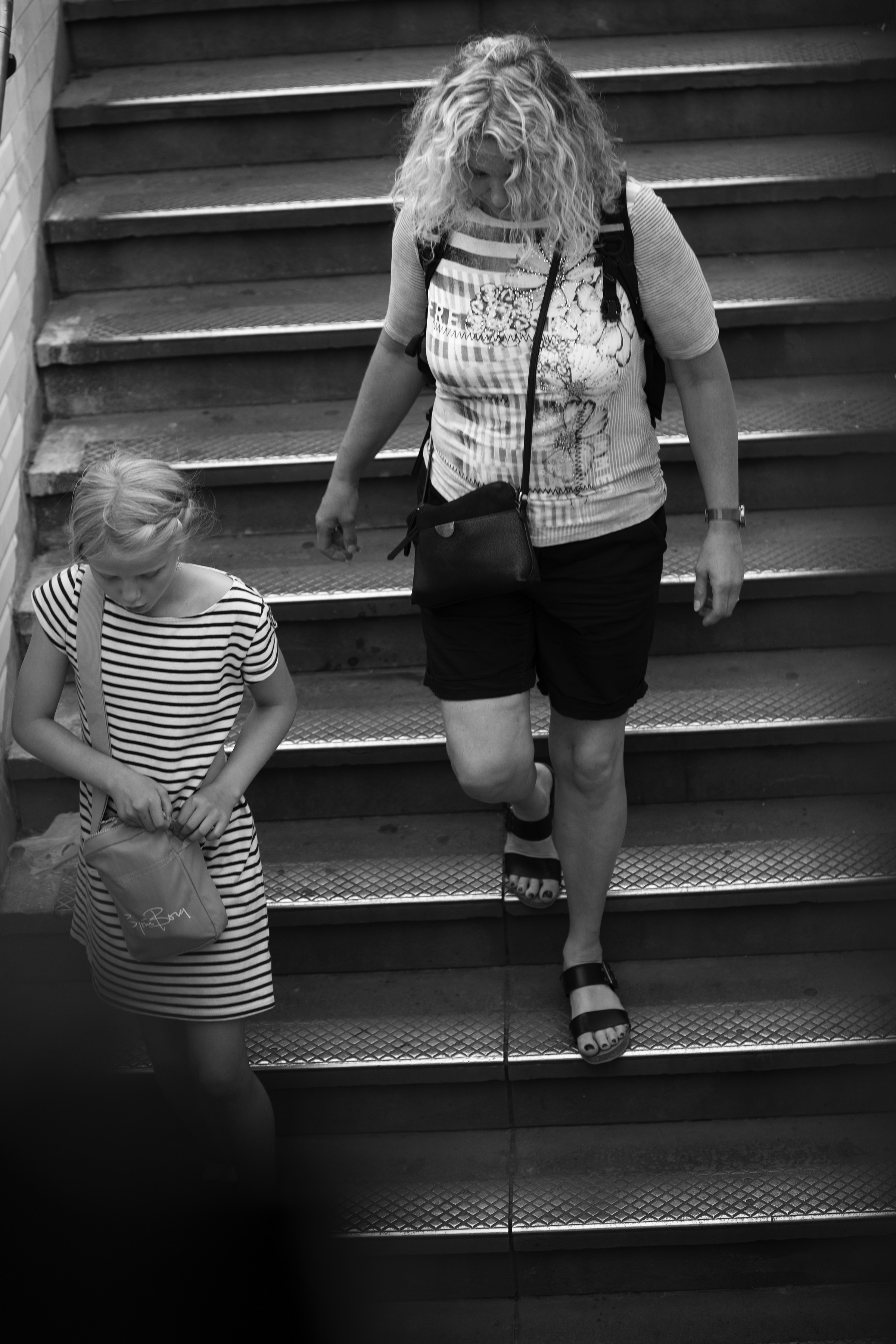
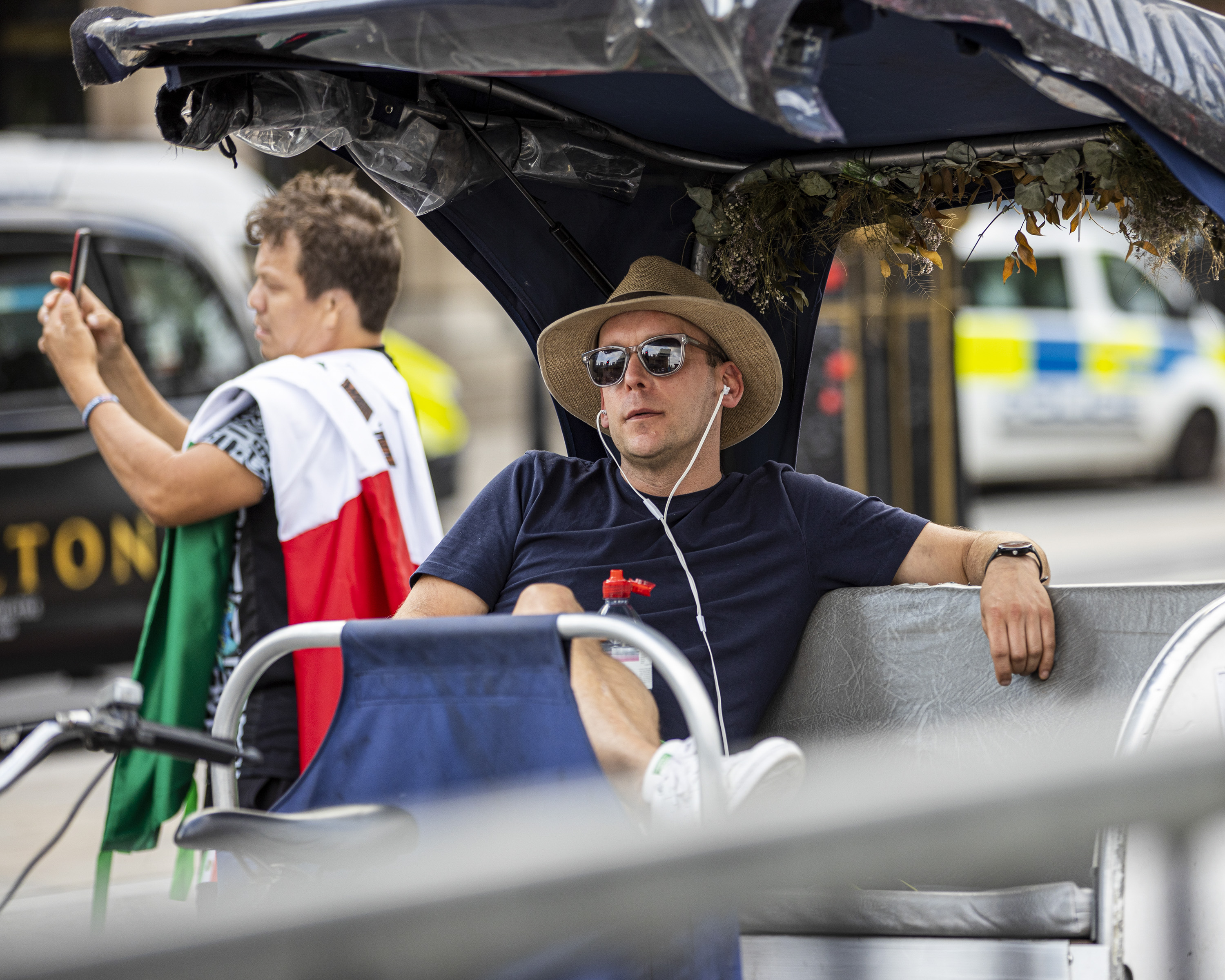
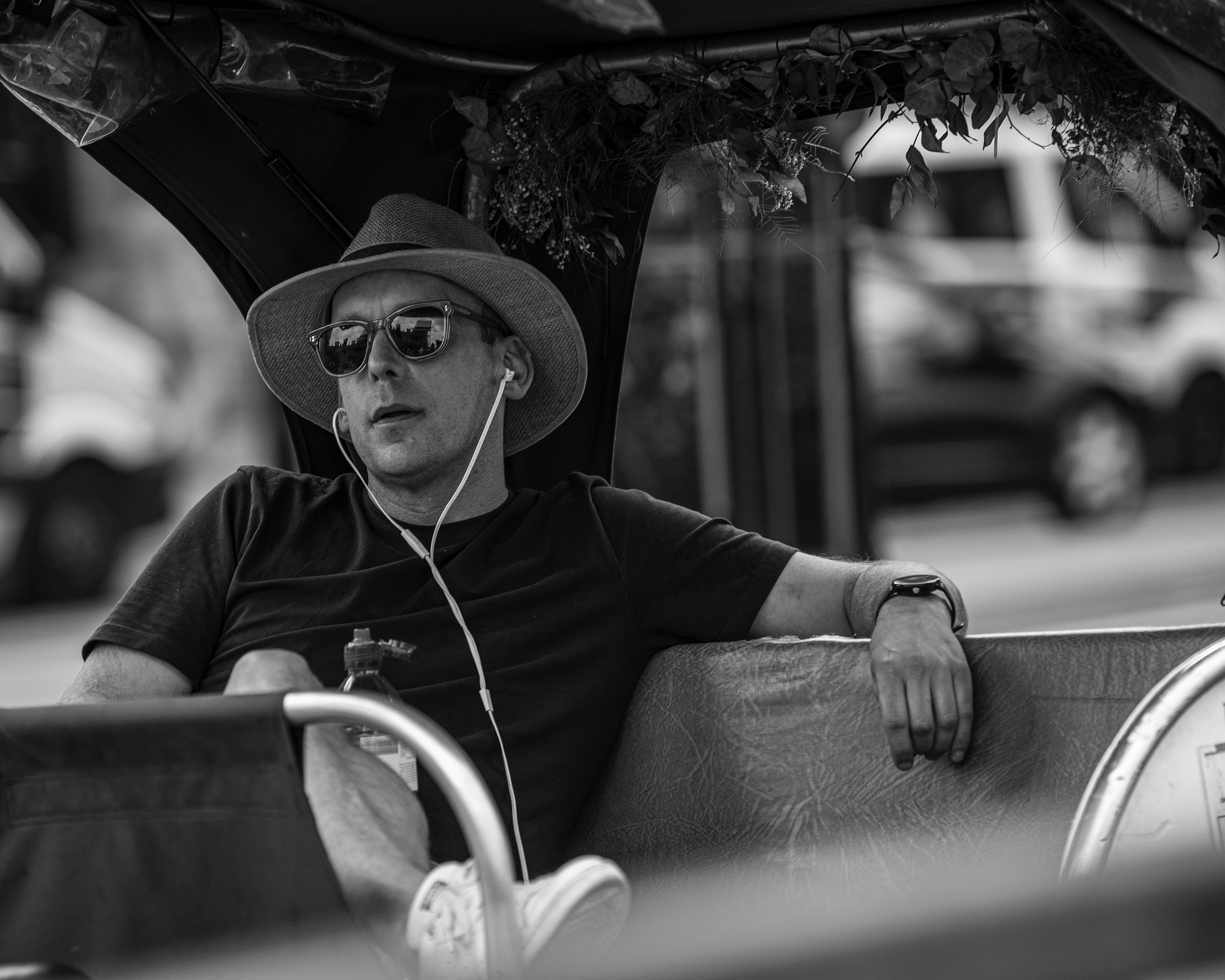
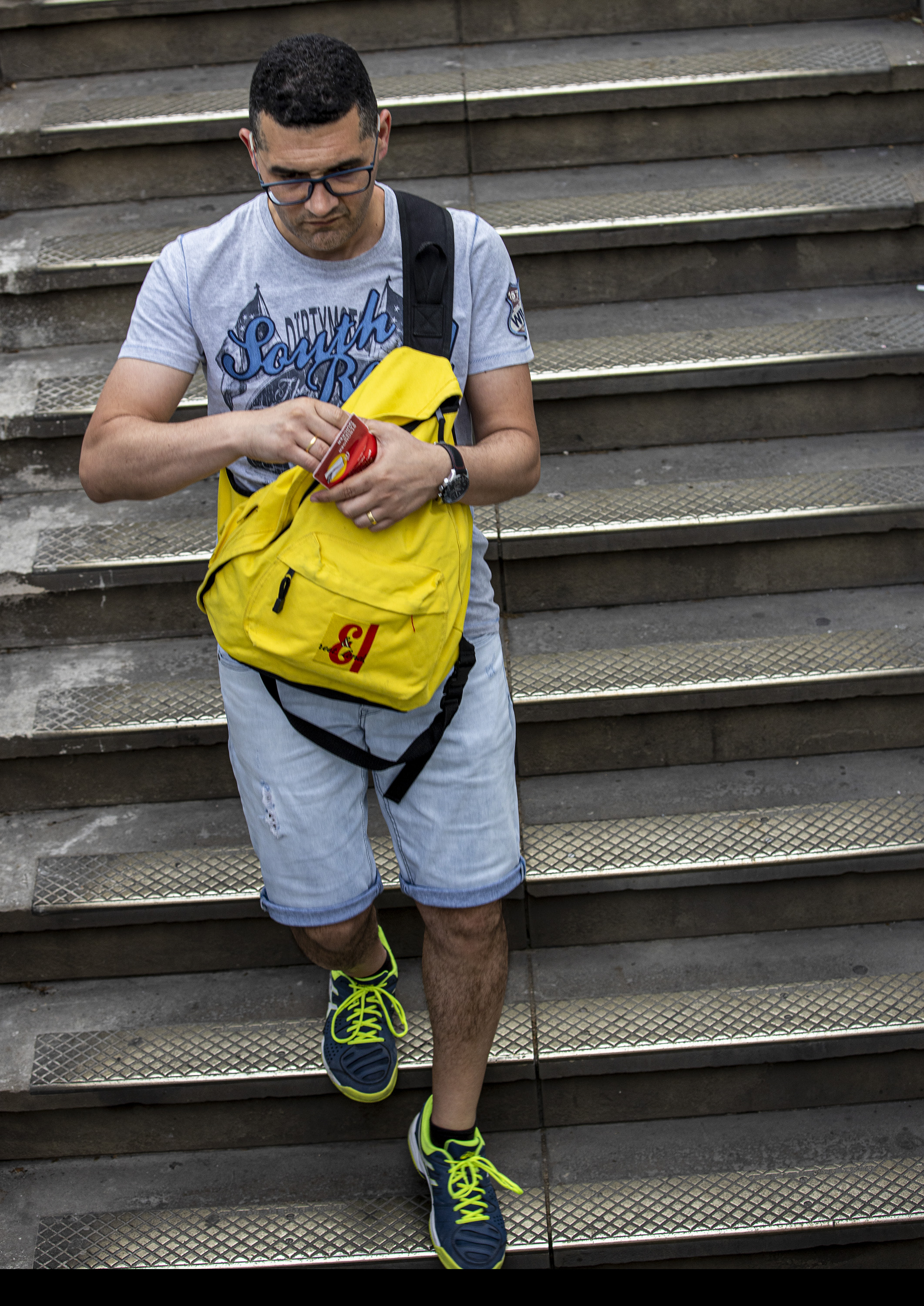
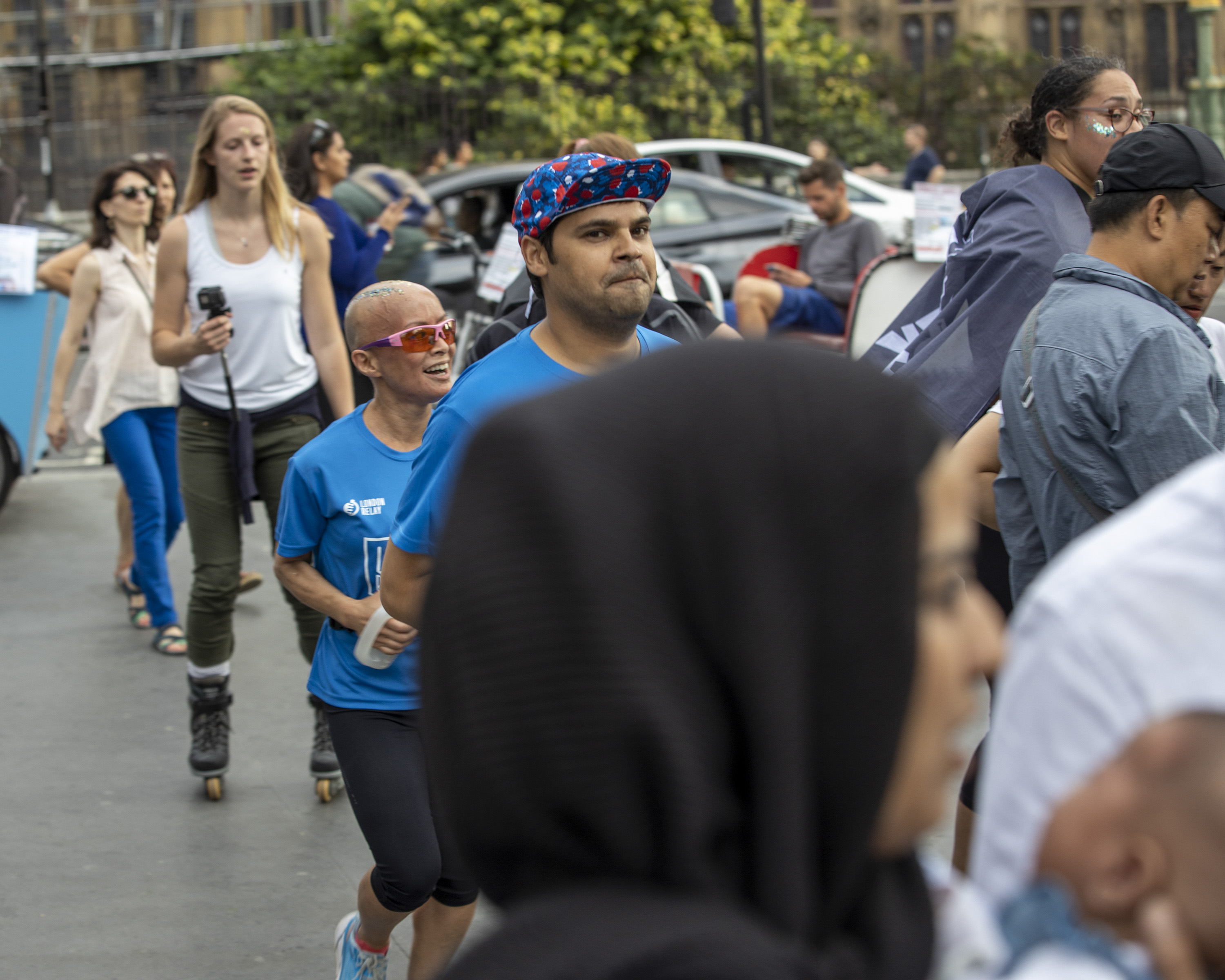
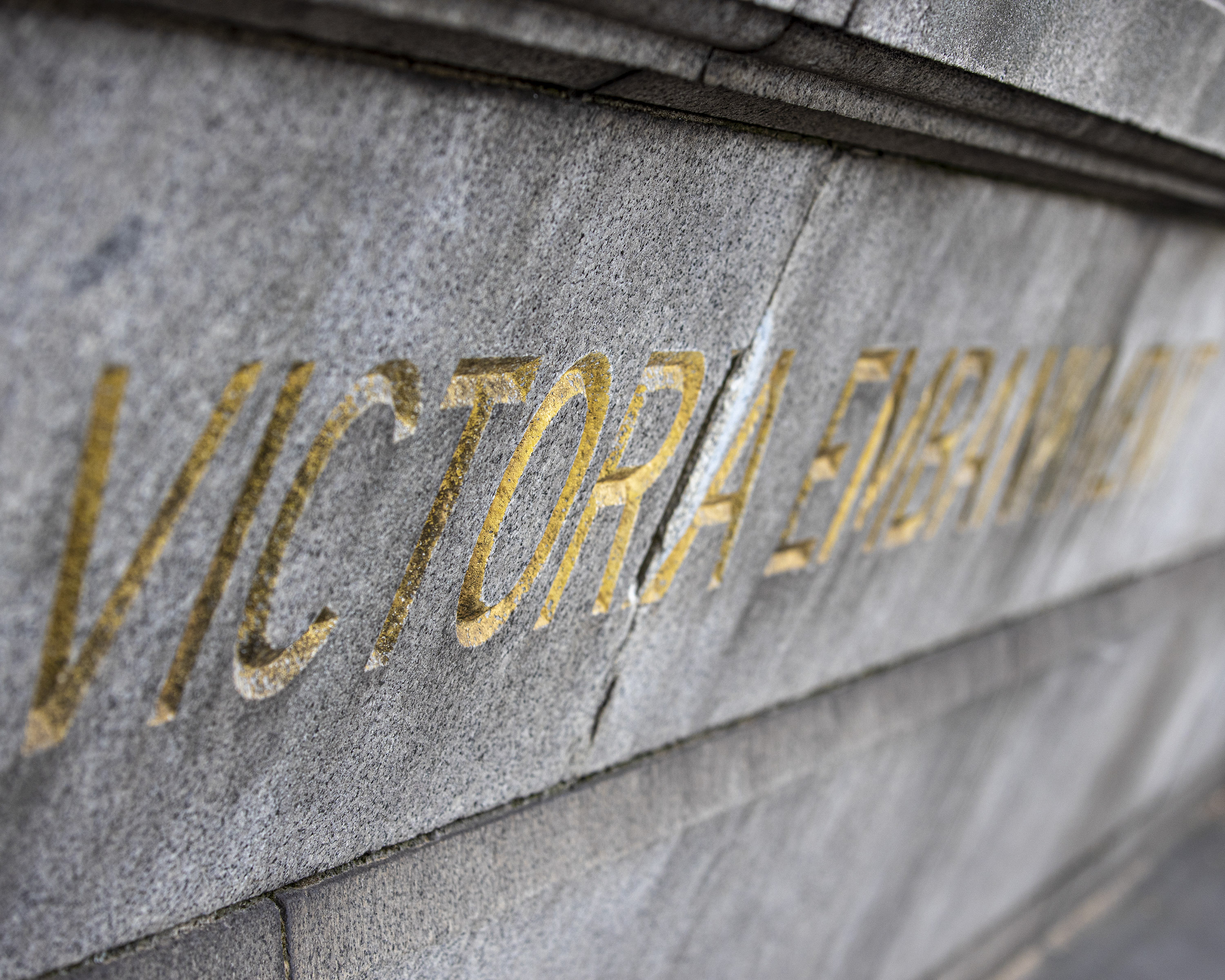
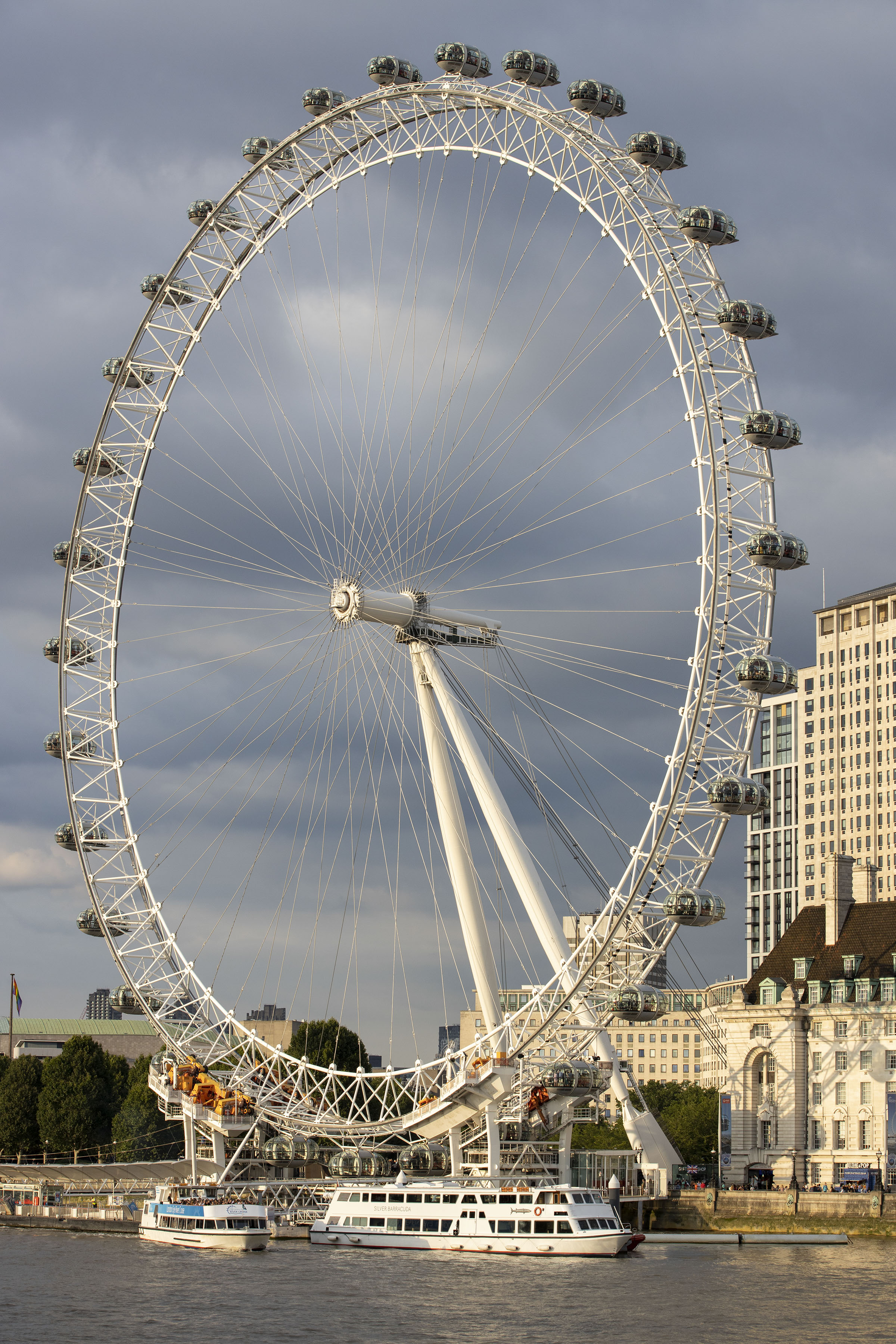
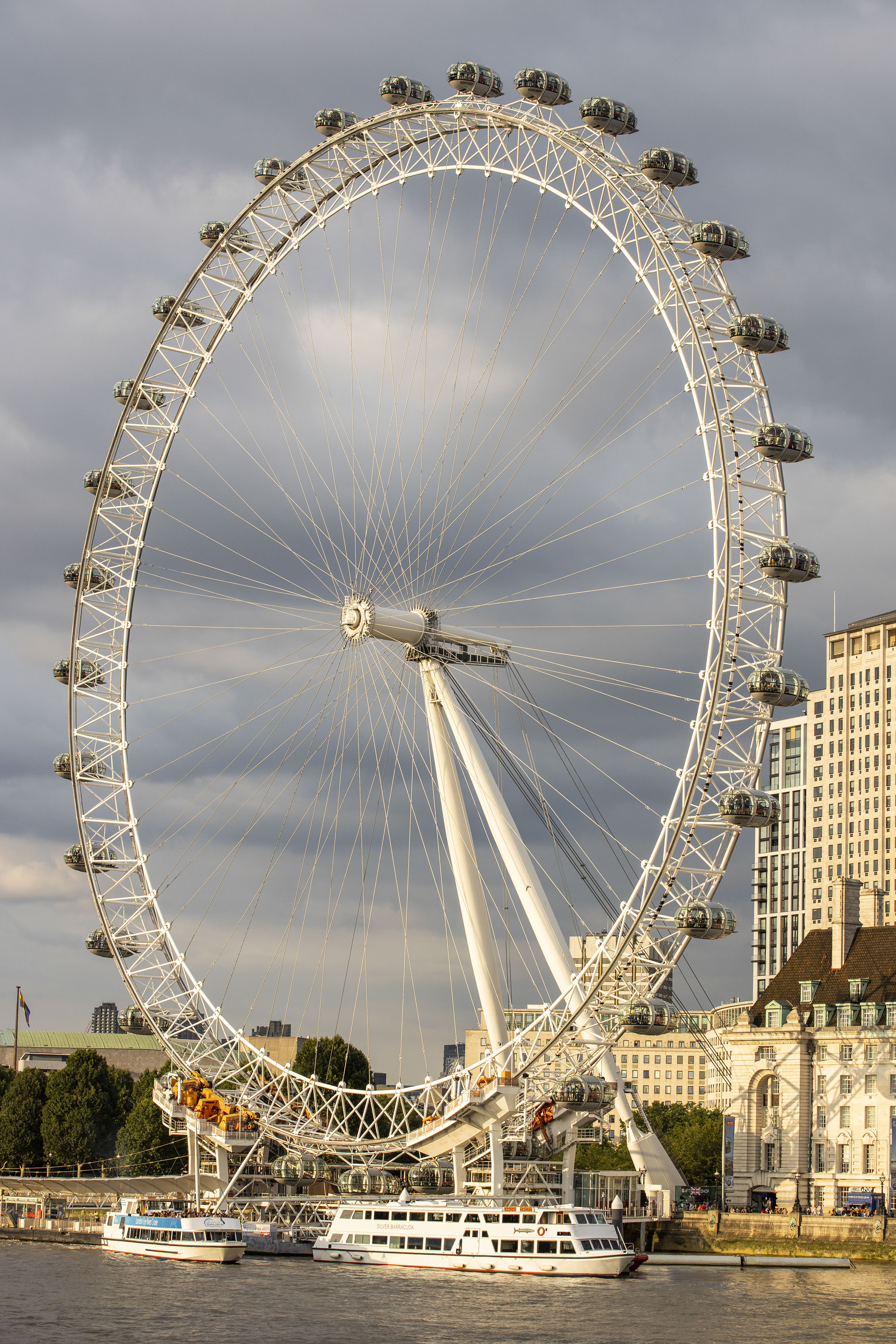
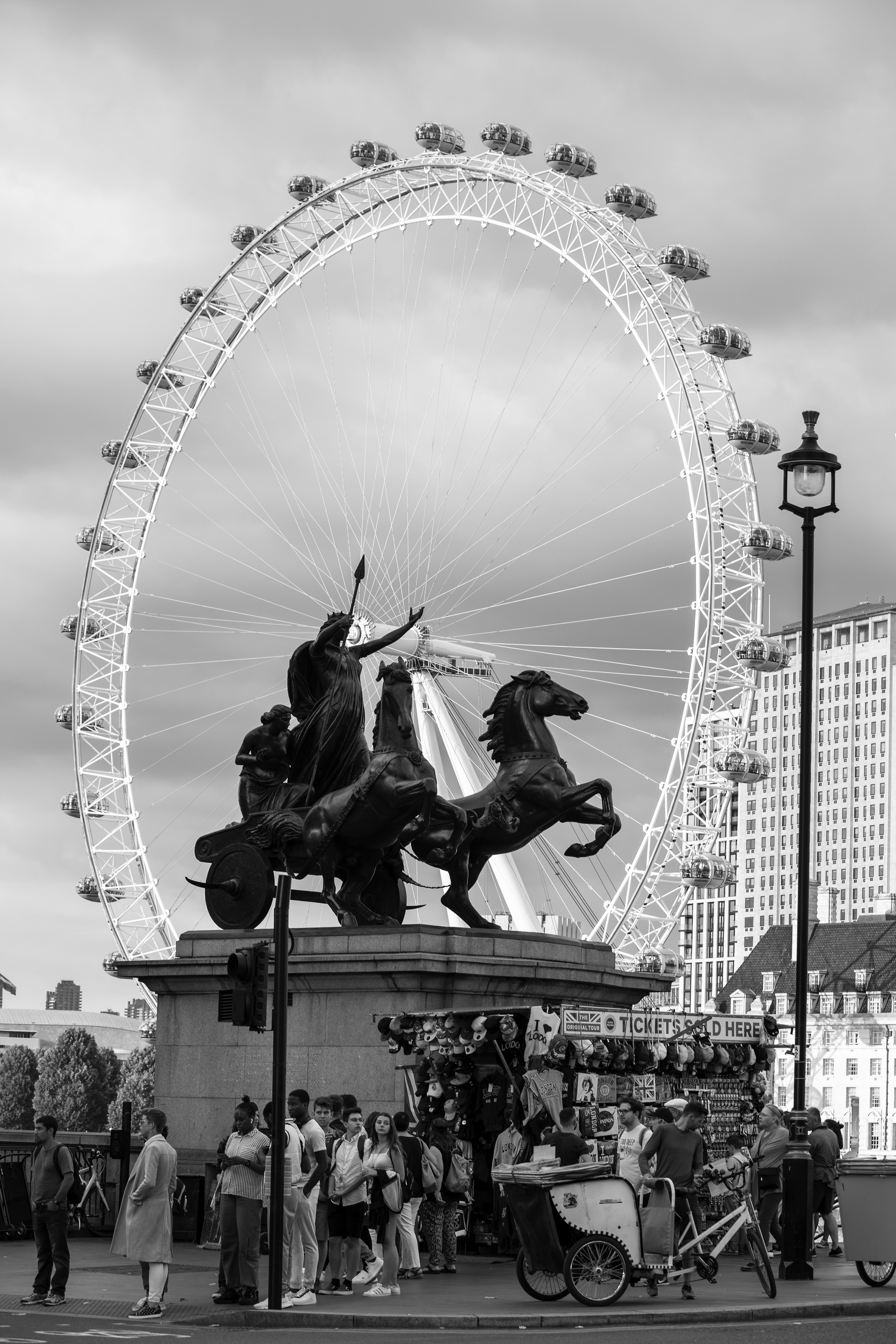
This was an interesting exercise, I choose Victoria Embankment, Westminster, London for the exercise. I choose this location as, it’s always busy and there’s lots of variety in the streets. Situated in the shadow of Big Ben and the Houses of Commons, just a short walk from the London Eye, it is an ideal location for street style photography.

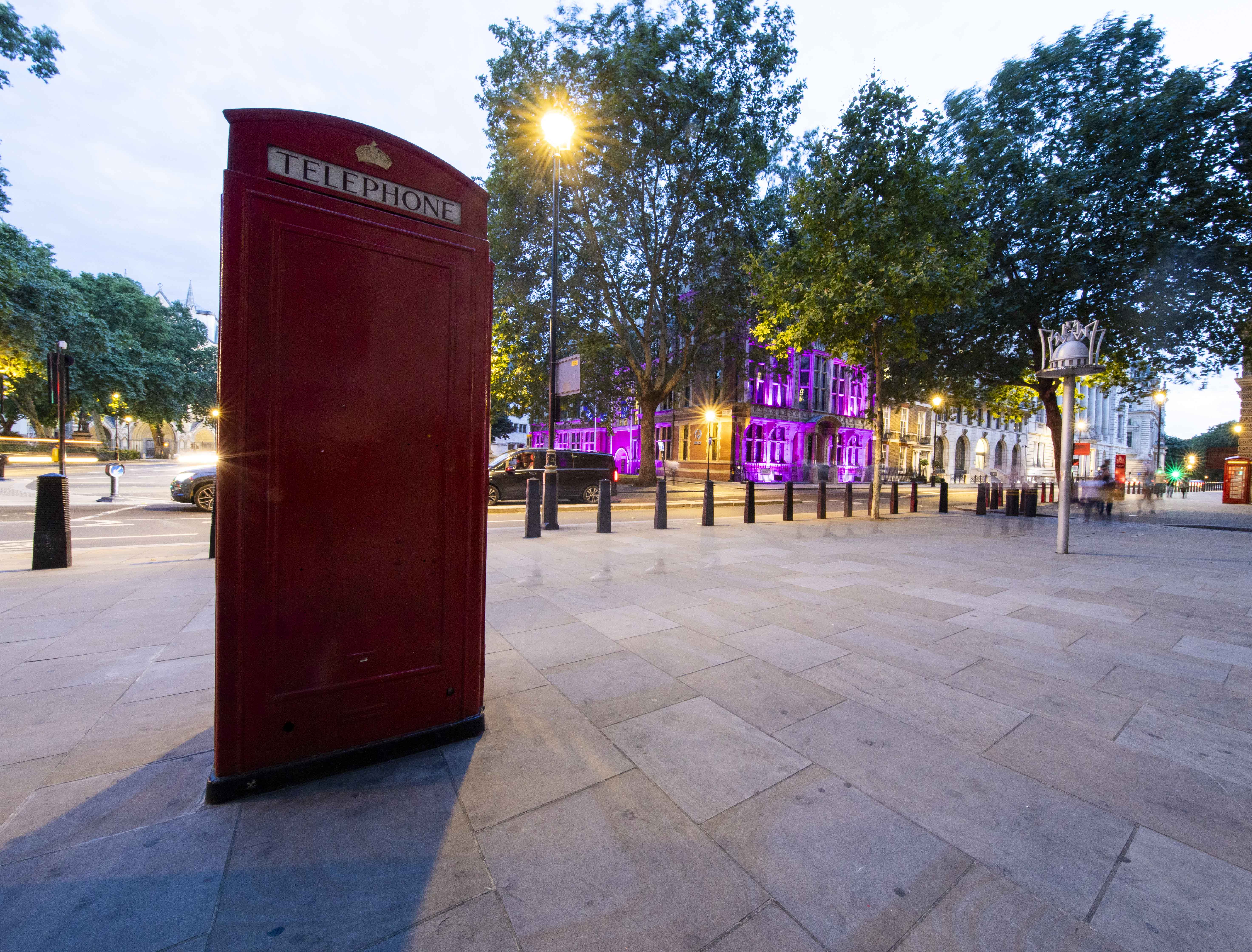
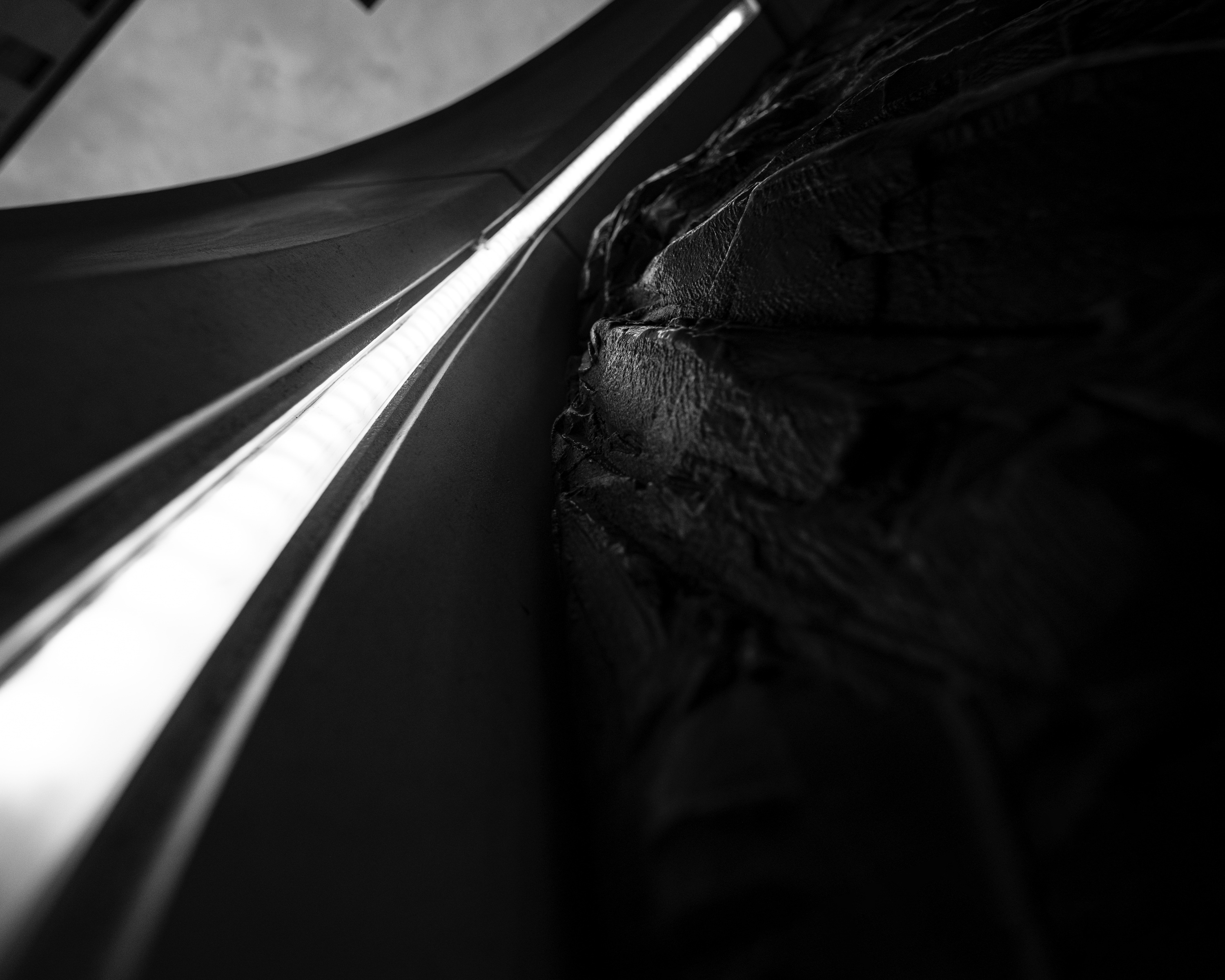
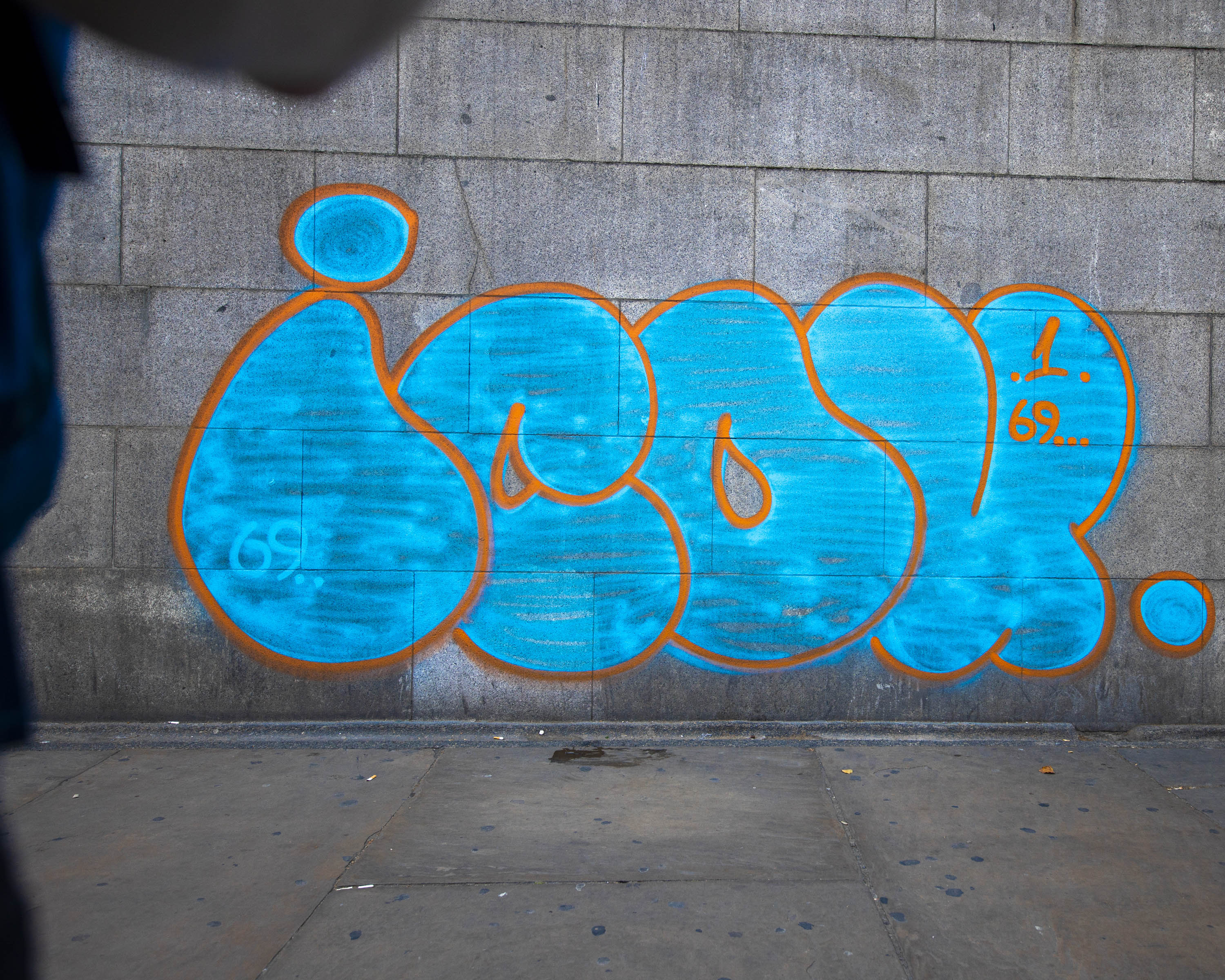
Street photography like this lends itself to mono and it was difficult not to just shoot all the images black and white. That said, any image where the hue and colour really make the images pop, it is essential to have the colour. Other times. Colour adds much needed context, for example, when taking a photo of a London bus you need to see that it is red otherwise it’s just a bus, the same could be said for the Red telephone boxes.
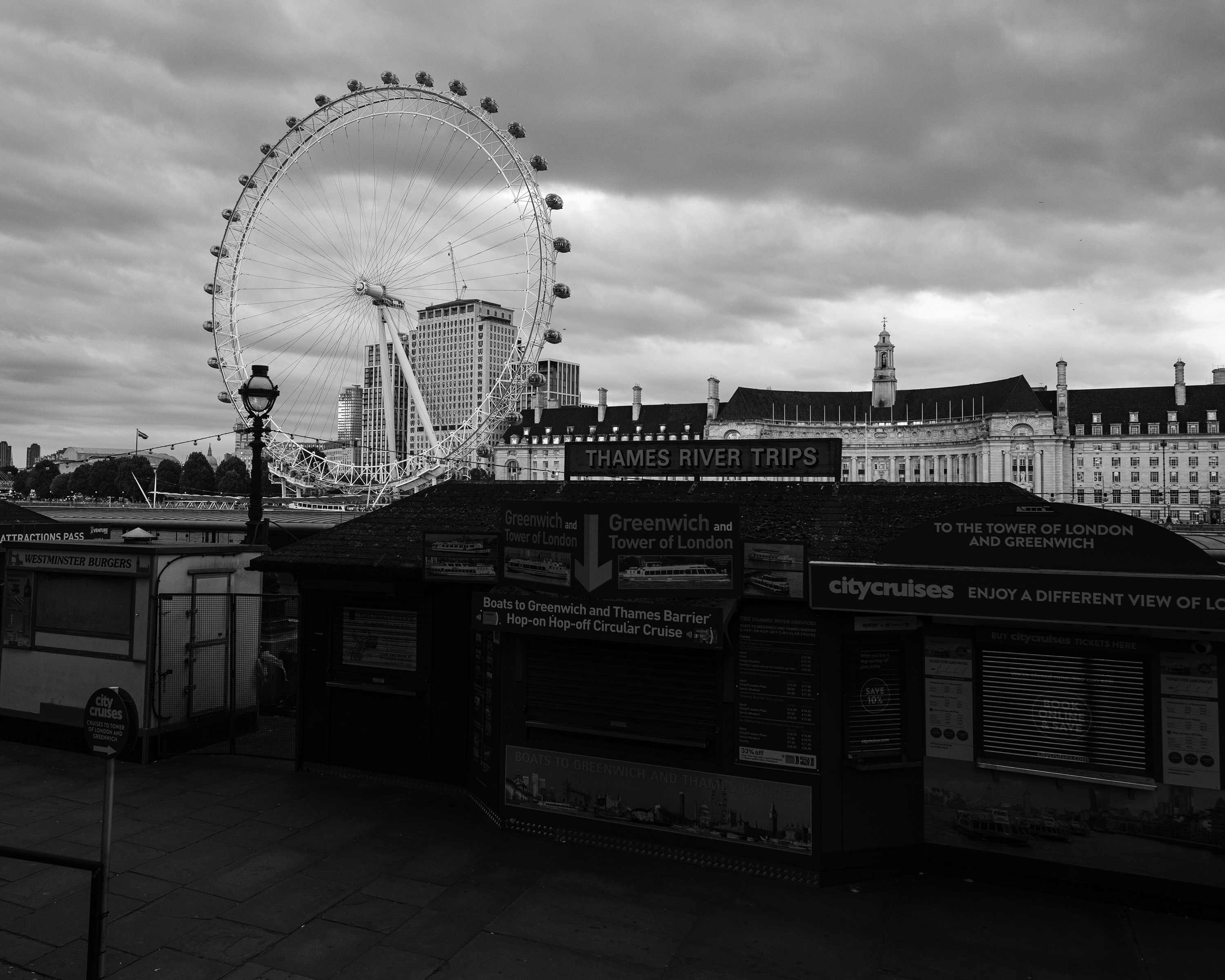
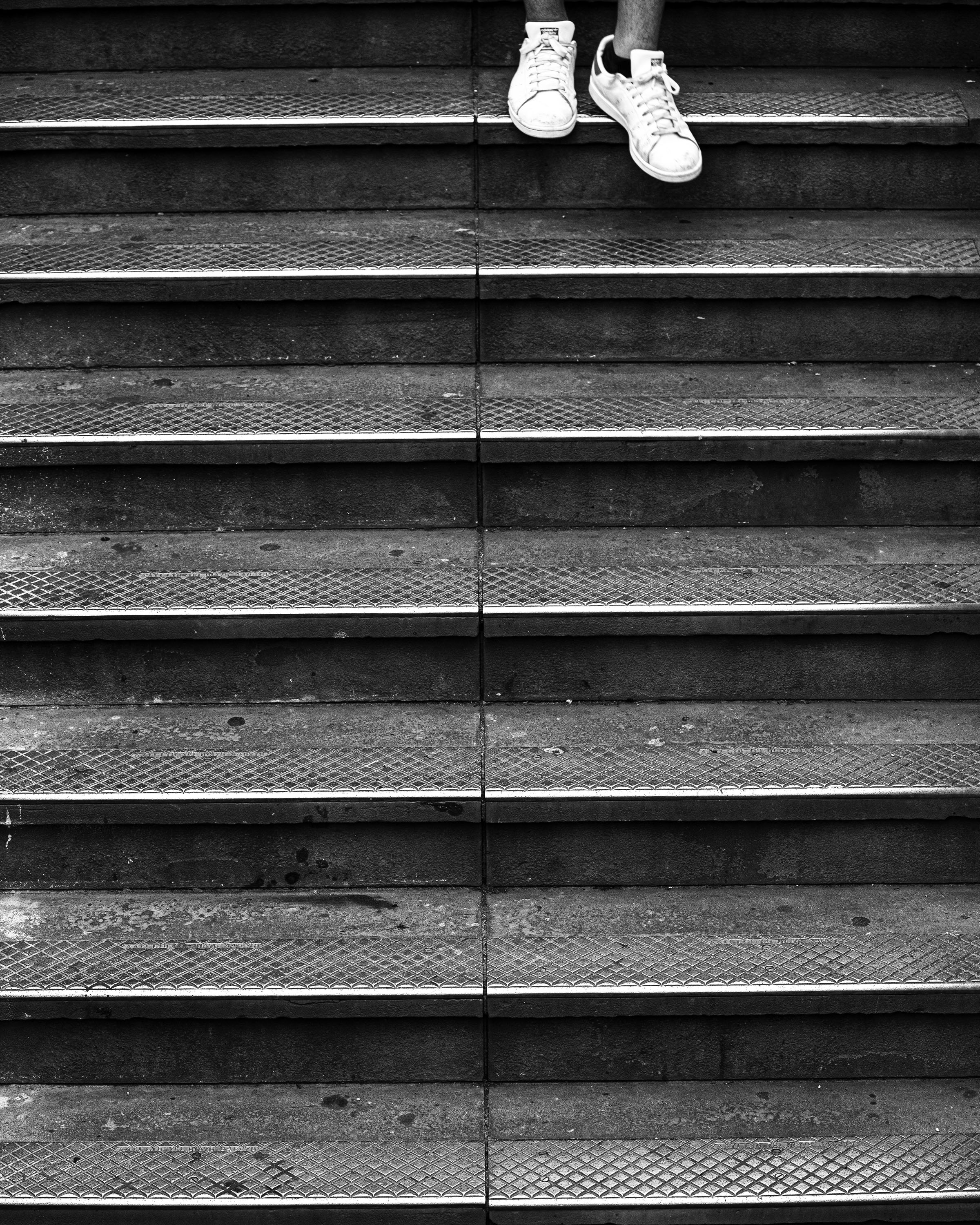
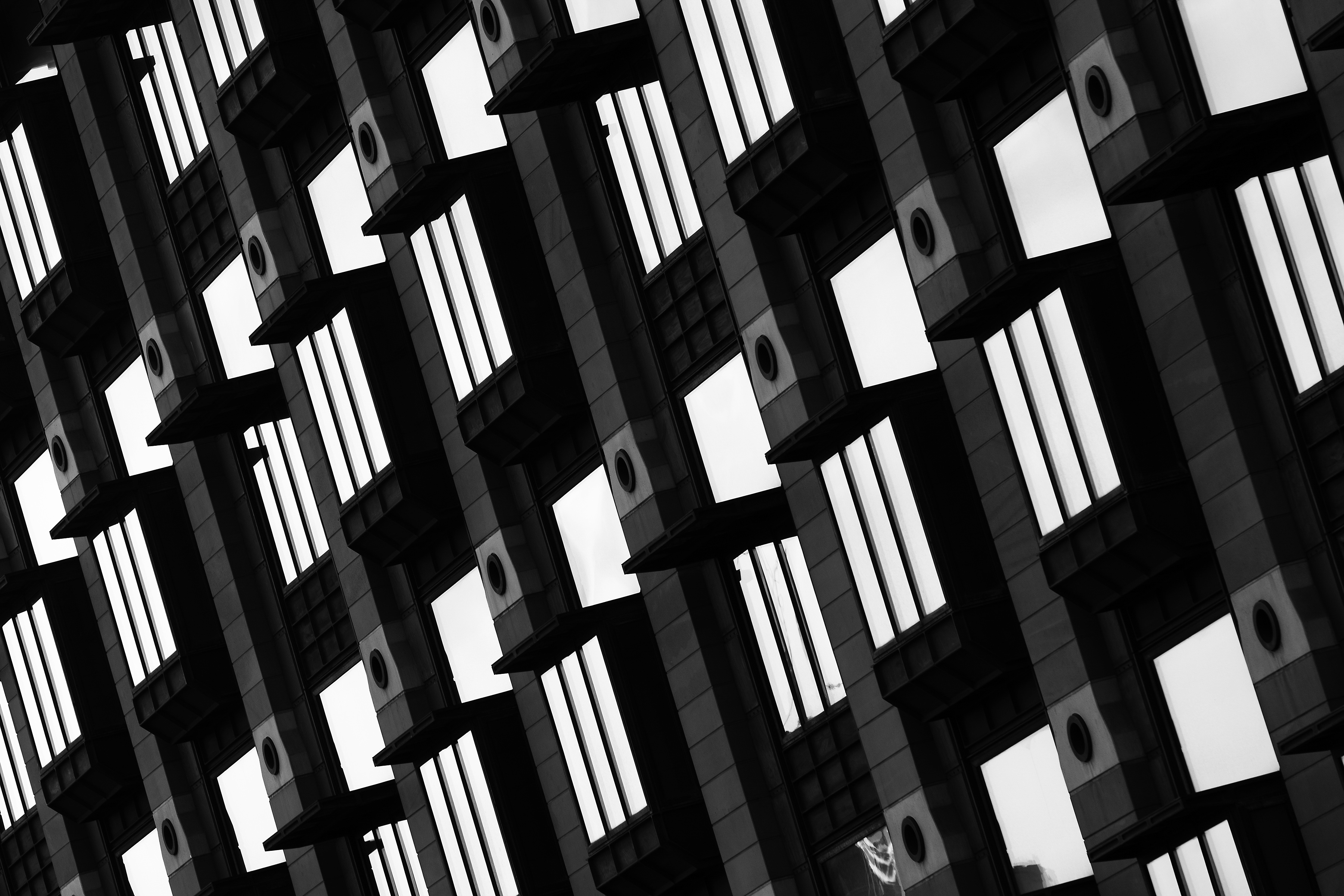
When shooting geometric patterns or anything with high contrast, the images cry out to be changed to mono. Some images are almost black and white already and need very little to convert them.

 Out of the two sets I prefer the mono set, I find there is something about black and white that focuses the viewer, makes them concentrate on the image, monochrome strips back images to what’s important in the image. In my personal opinion it’s mono all the way but sometimes colour is essential.

Design a site like this with WordPress.com
Get started