Dora Maar Study Visit
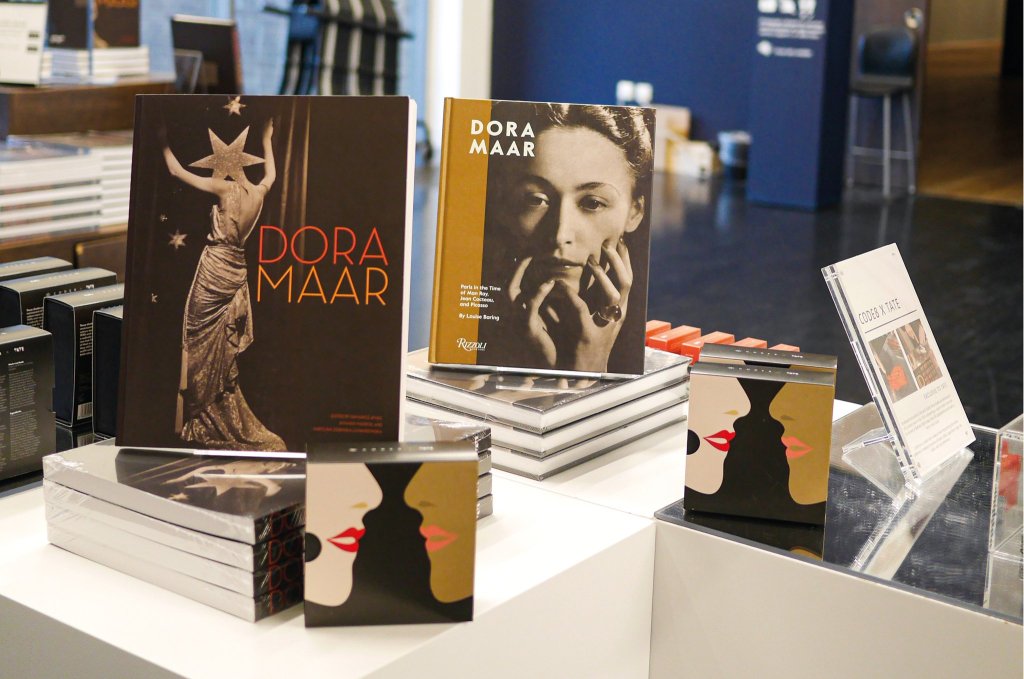
It is a pretty familiar story, female artist deleted from history, and it’s the one that, broadly speaking, underpins this show at Tate Modern. Dora Maar (1907-1997) was a female artist footnoted by history thanks to her gender and her relationship with Pablo Picasso. But the most interesting thing to emerge from this fascinating retrospective (the first ever held in the UK) isn’t simply that Maar is an artist forgotten, it’s that she is such a ridiculously prolific and varied artist forgotten. This being highlighted by the fact that before this exhibition, I had barely heard of her, but strangely I had seen her face hundreds of times as part of Picasso’s extensive portfolio.
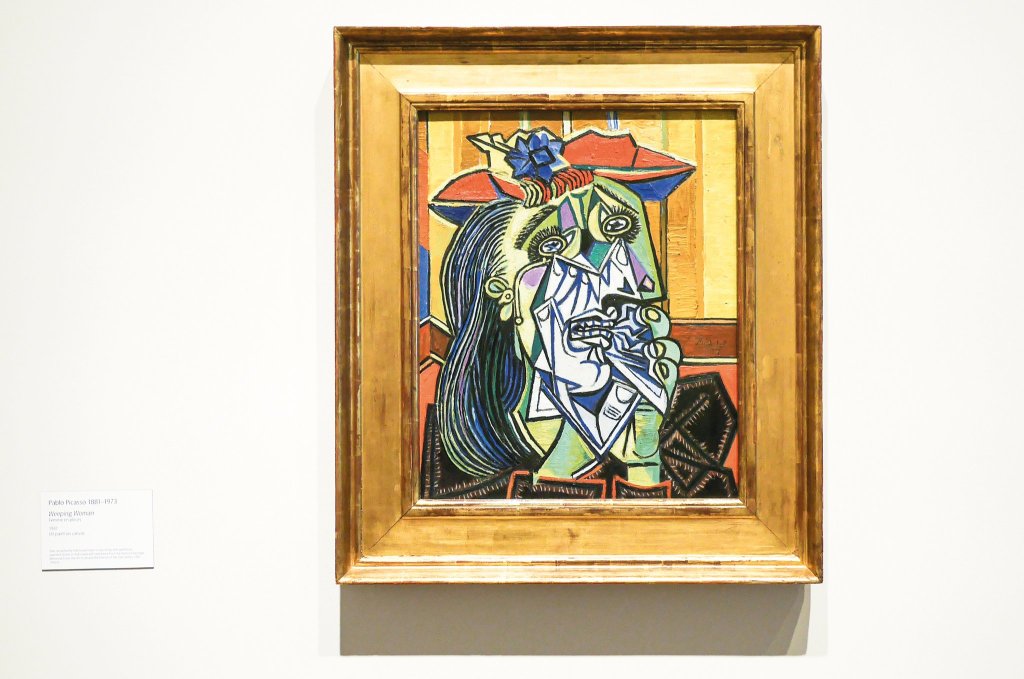
This was one of the OCA London organised visits, the third of such visits I have attended so far. We have a small group of loyal followers who attend most meetings, making the effort I put in to attend, even though I no longer live in London, more than worthwhile.
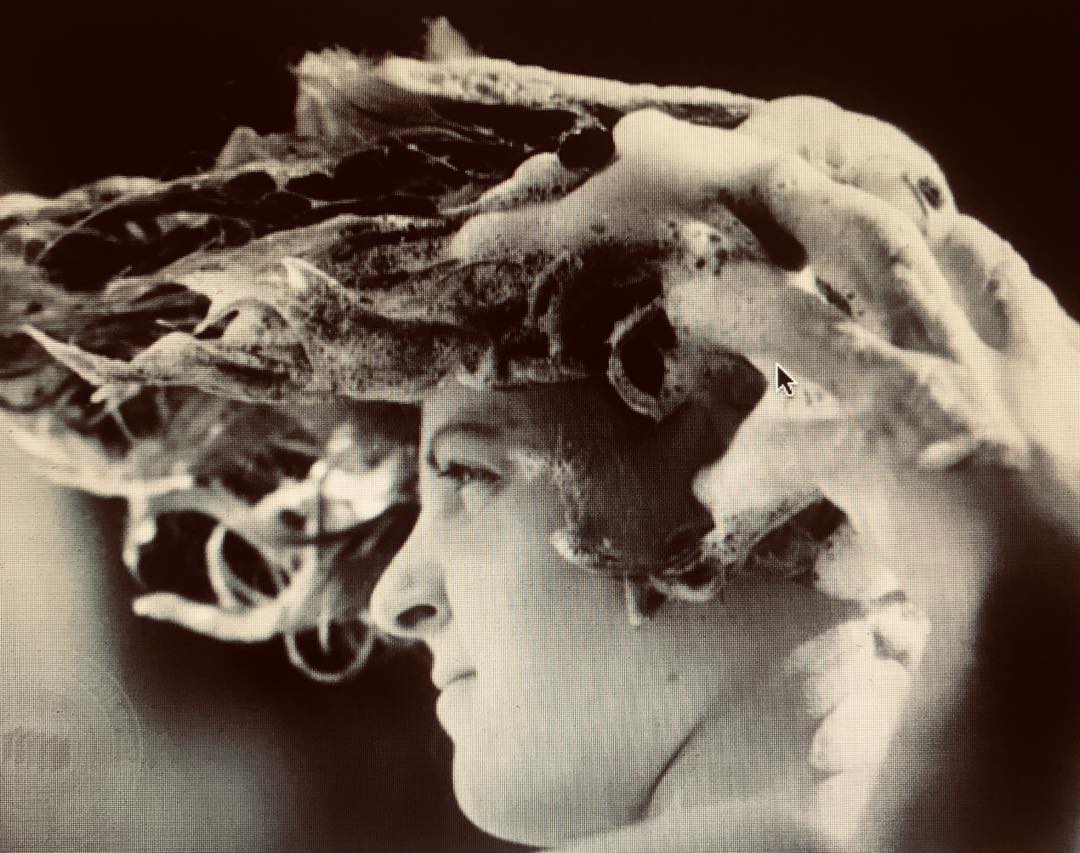
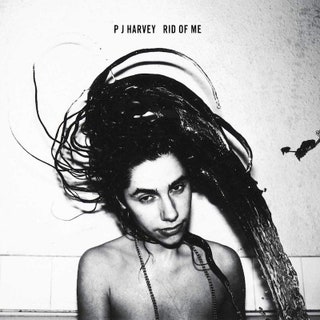
When viewing Maar’s extensive career, spanning over 60 years, the main thing I observed about her is her connection to surrealism. That link is clear, both in her early photomontages and in the names that continually appear throughout the exhibition. The exhibition seemed to be a who’s who of surrealist superstars of the 20th century. In her earlier commercial and fashion photography, you can see the initial forming of her surrealist roots. The vast majority of works on display here are photographs, an example of which, is an image showing a woman with a huge foam of shampoo bubbles on her head. This reminded me strongly of the picture of PJ Harvey on the album cover of ‘Rid of Me’.
But there are many other aspects to appreciate too. Like how Maar’s nude study conjures memories of Grecian Goddesses or how her images of models exercising pre-empt today’s influencers’ yoga shots selling Superdry and the like.
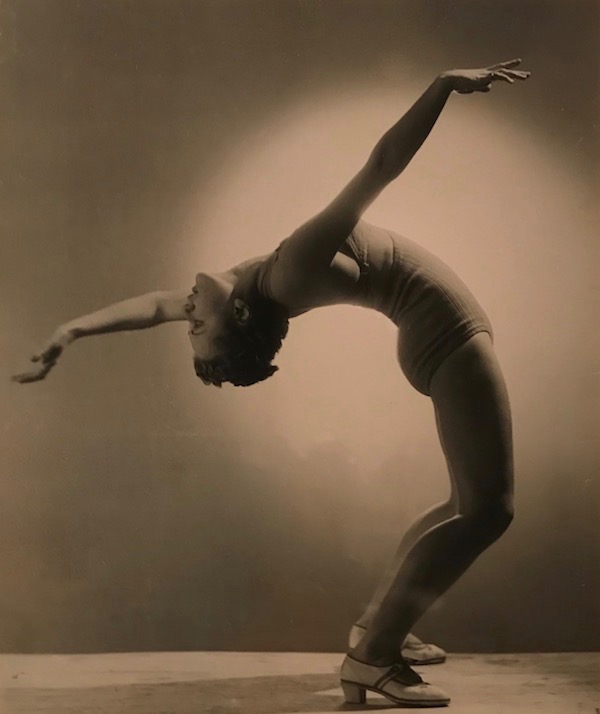
The real surprise for me, however, is Maar’s extensive body of street photography taken in Barcelona, Paris and London during the Depression of the 1930s. Many of the images are remarkable for their informal candour, a quality also present even in Maar’s most stylised surrealistic images. Maar takes photos that always look the tiniest bit accidental, as though the shutter closed of its own accord. Have I seen better examples of street photography from this period? The answer, would have to be yes, but the fact that this is just one part of her vast canon, makes it even more remarkable.
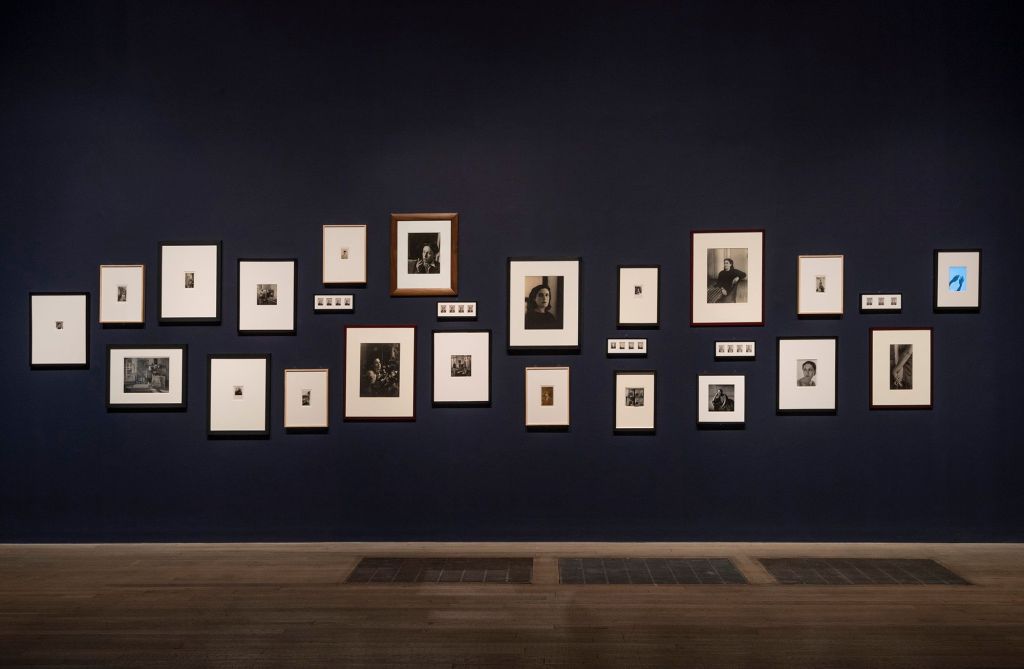
I loved the progression of her work, from photography to art to cameraless photography. The cameraless photography intrigues me, I have seen this presented in a gallery before and was amazed at the creativity of it and it has inspired me for a future project.
As much as I enjoyed this study visit, I was actually left slightly despondent with the fact I’d never heard of her before this exhibition, it leads me to think of all the other great female artists that the world has been missing out on all these years.
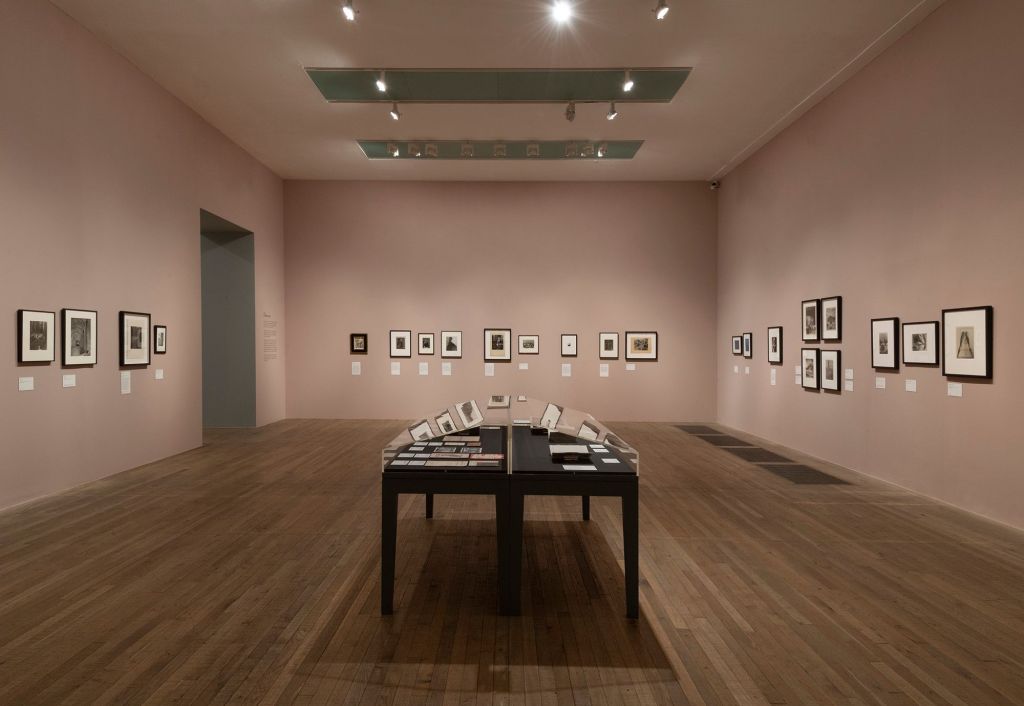
When we resurrect ‘forgotten’ female artists, the temptation is to slot them into an existing art movement and point out all the ways their art neatly resembles the stuff we already know about. But Maar is interesting both as a surrealist and as a realist: a documenter of poverty, conversations and fly-away hairs. If we’re no longer going to forget her as a surrealist, we should also remember her as more than a surrealist.
 Ben's Blog