Assignment Two Props
The brief for assignment two seems simple at first glance, choose a prop and create a set of images relating to it. Once I’d chosen the “White Shirt” category I originally started to storyboard an idea of “a day in the life of a white shirt”, from washing machine to wash basket and all that happens in between. So I shot the series and was fairly happy with the images, the set were a fairly cohesive set that told a story.
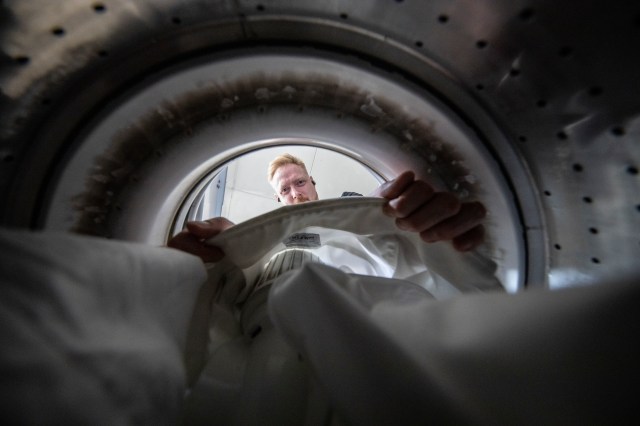
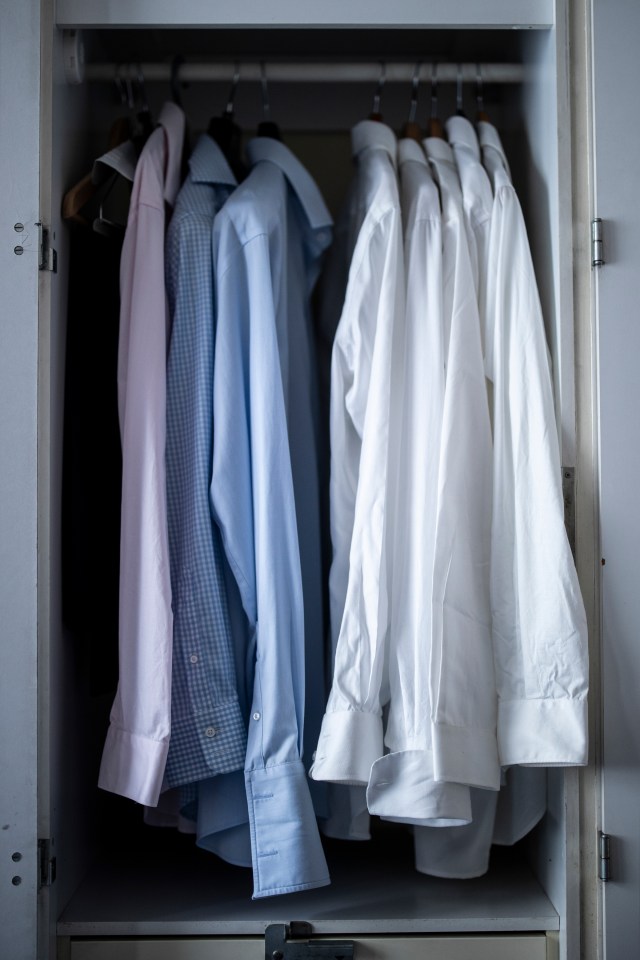
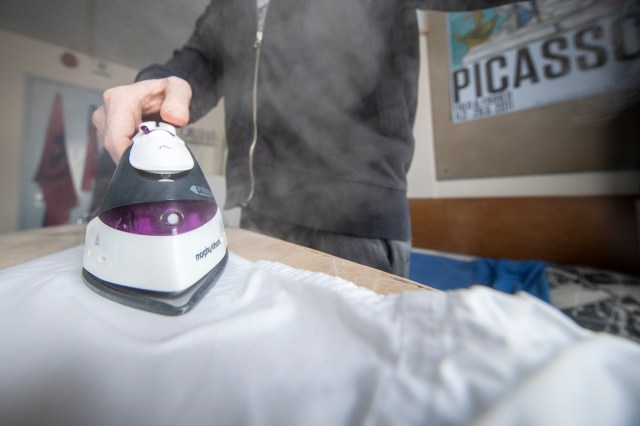
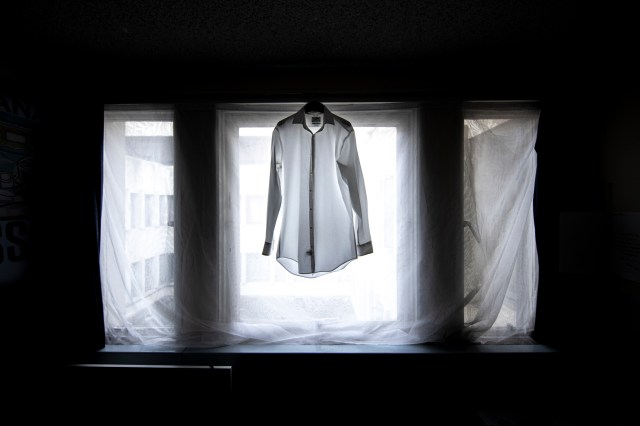
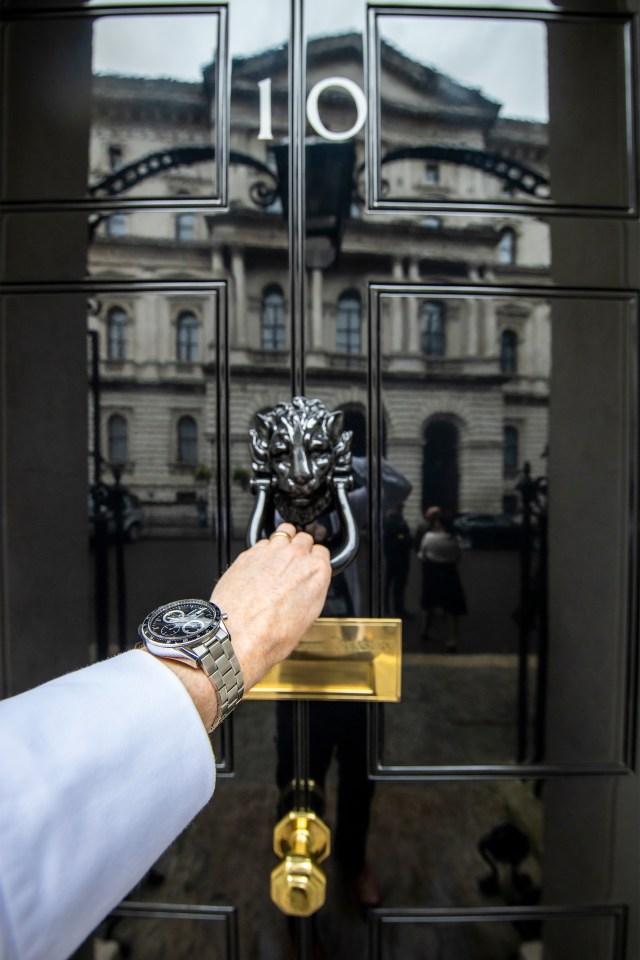
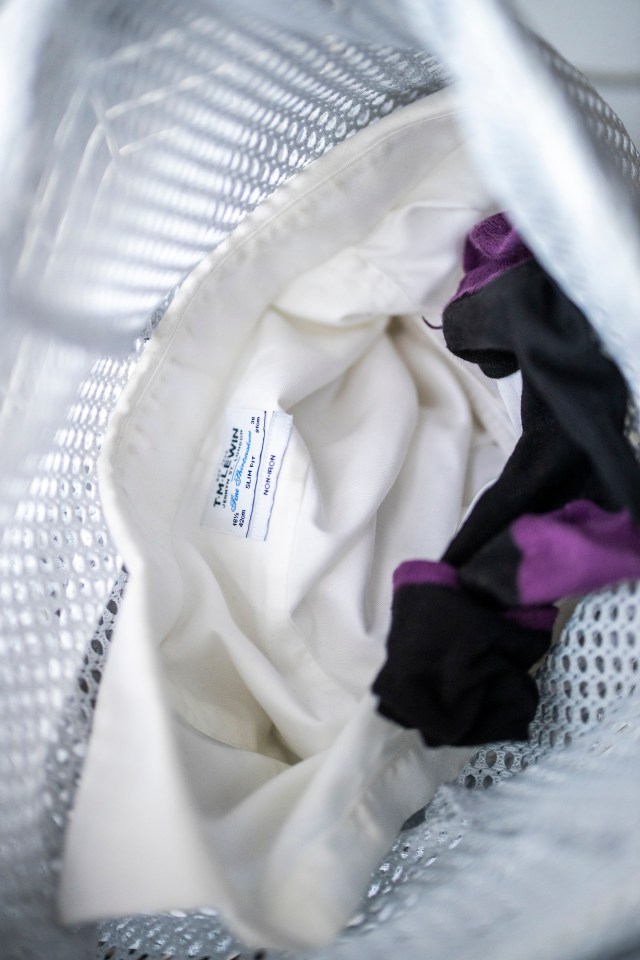
I was fairly happy with the end results, the images worked as a standalone set, but I didn’t feel it matched the narrative of the research I had been doing into “White Collar” workers.
During this project, I was in the USA visiting the United Nations with work, and during the course of the three day visit I captured images of bilateral meetings between world leaders. With the white shirt project on my mind I realised that a high percentage of the leaders were wearing white shirts. I put together a collection of images highlighting the point, this tied in with my research with the white collar representing power and success.
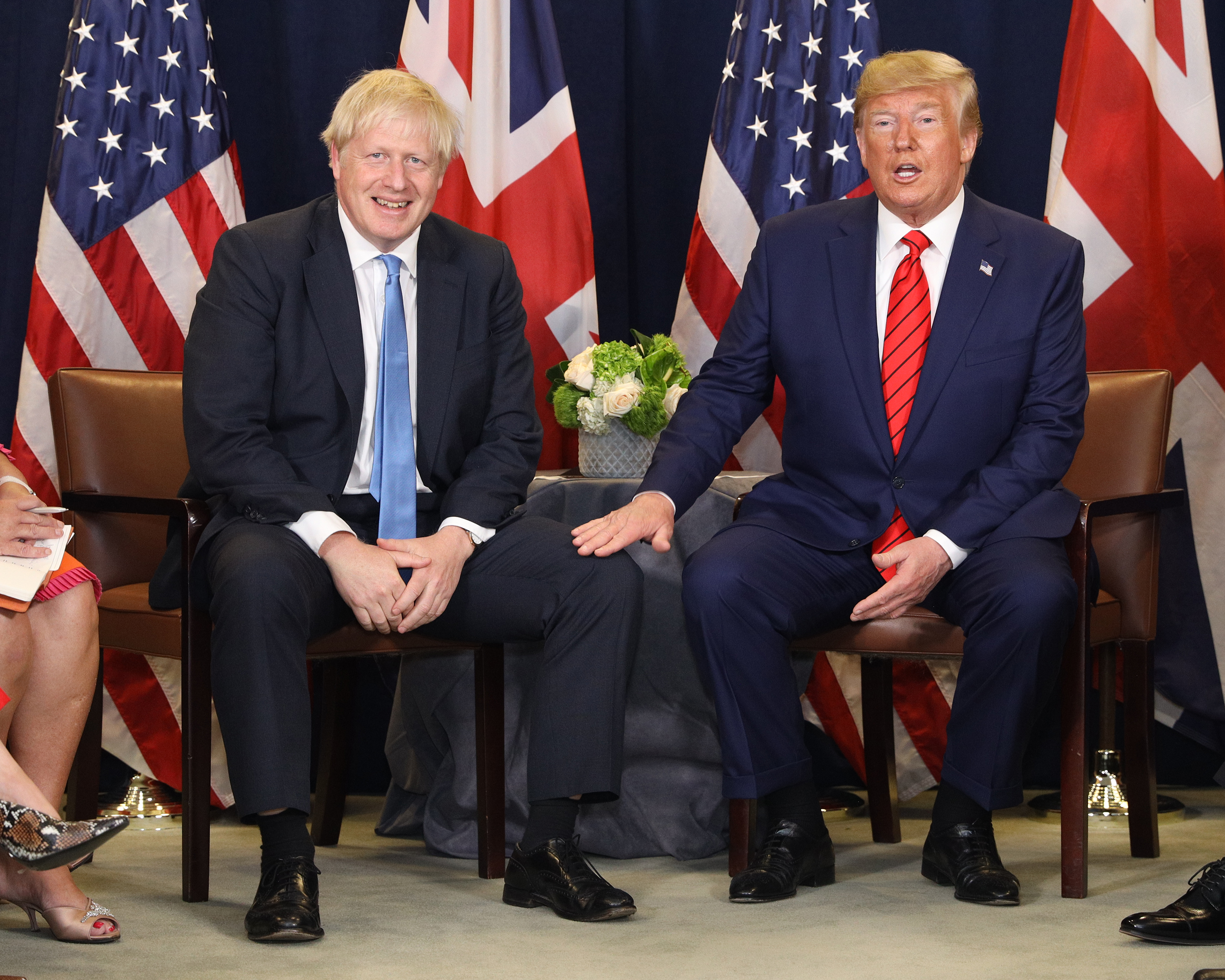
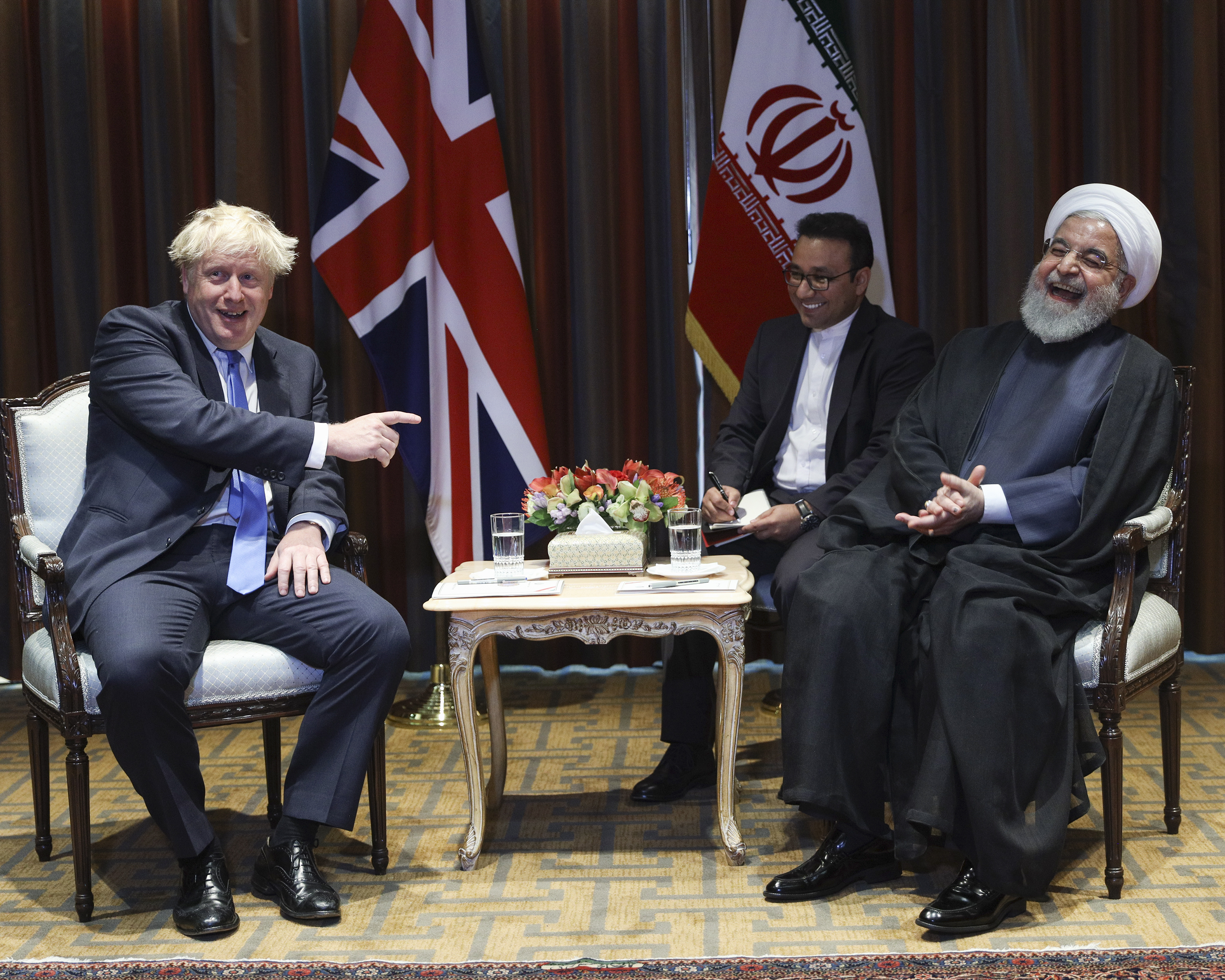
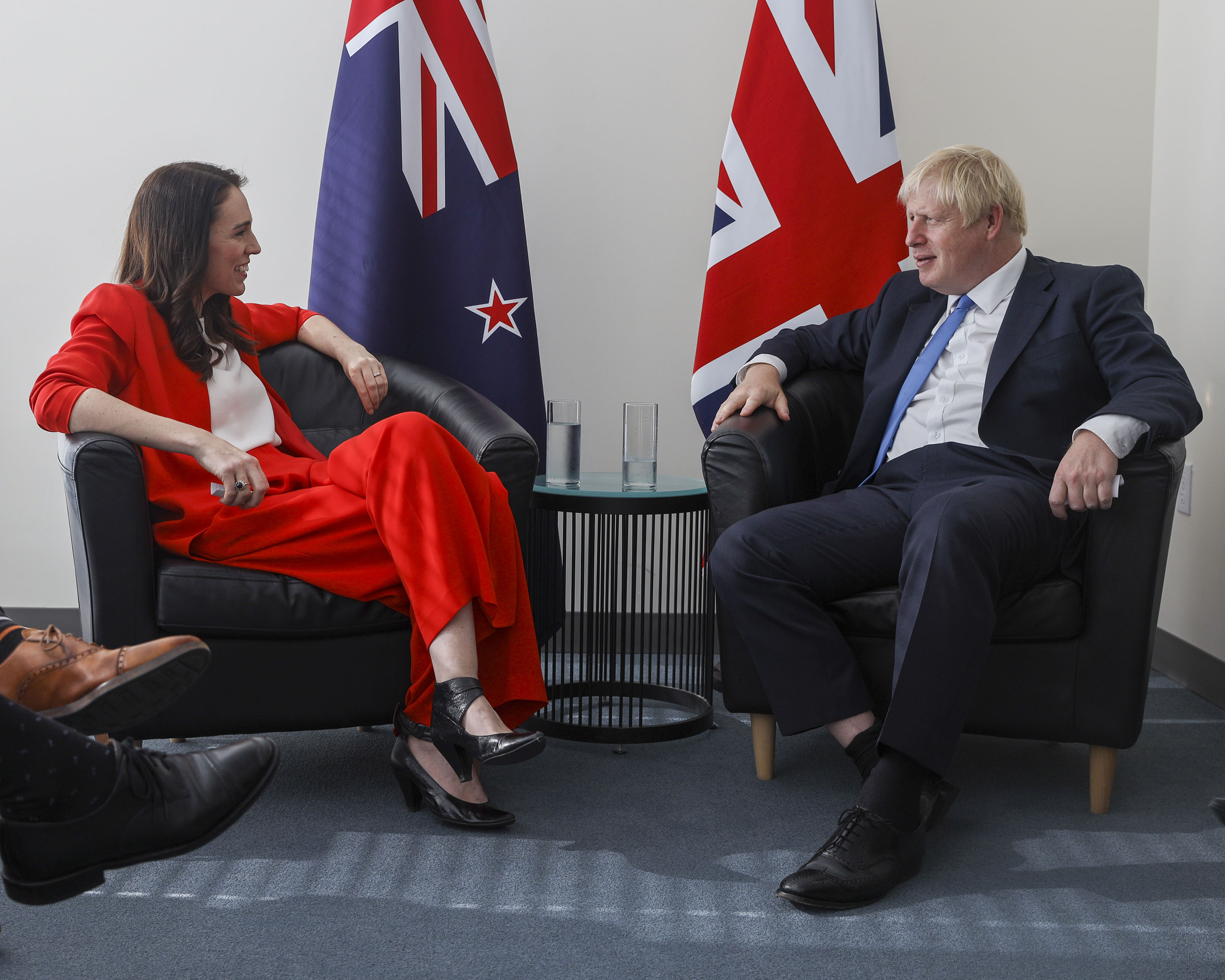
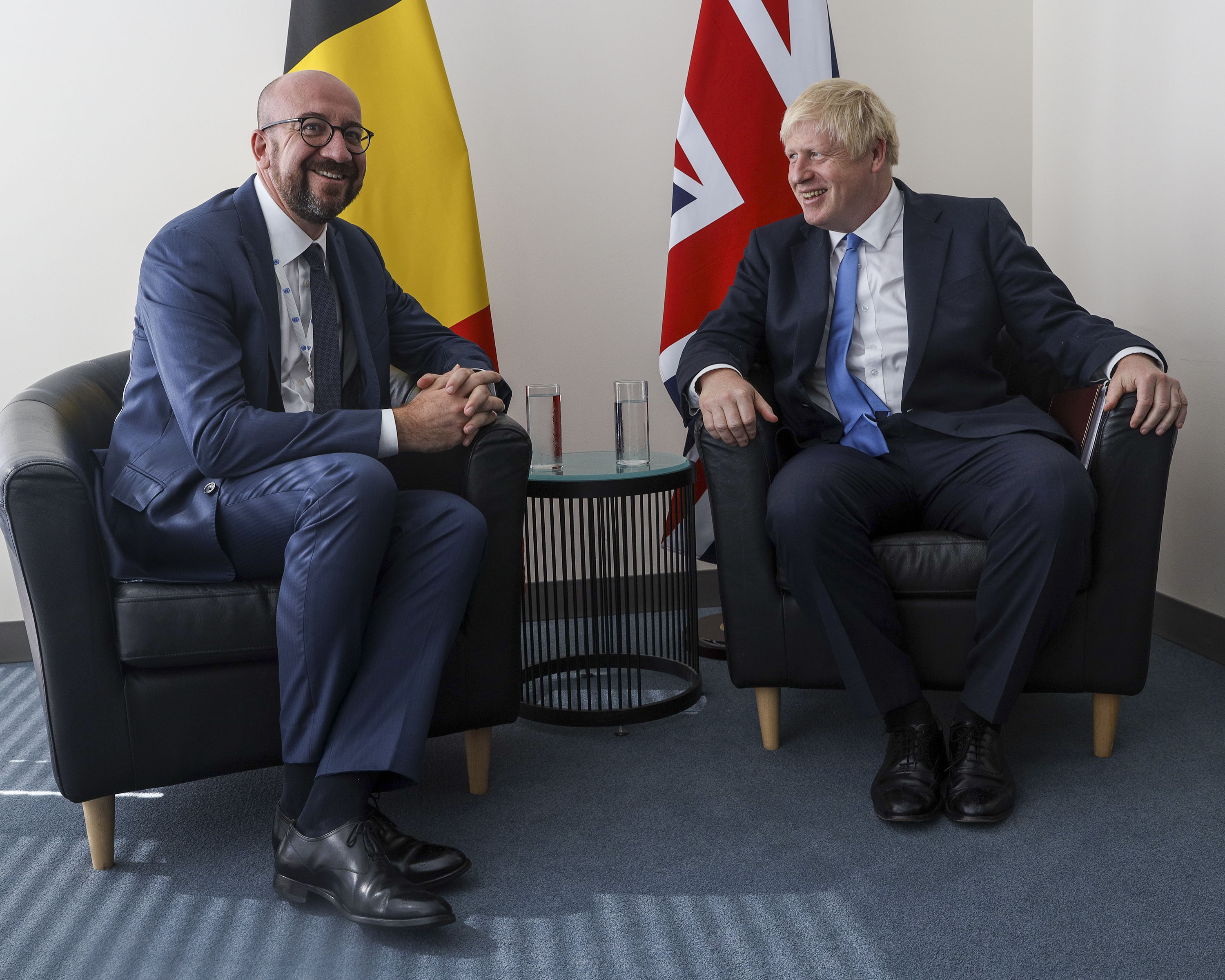
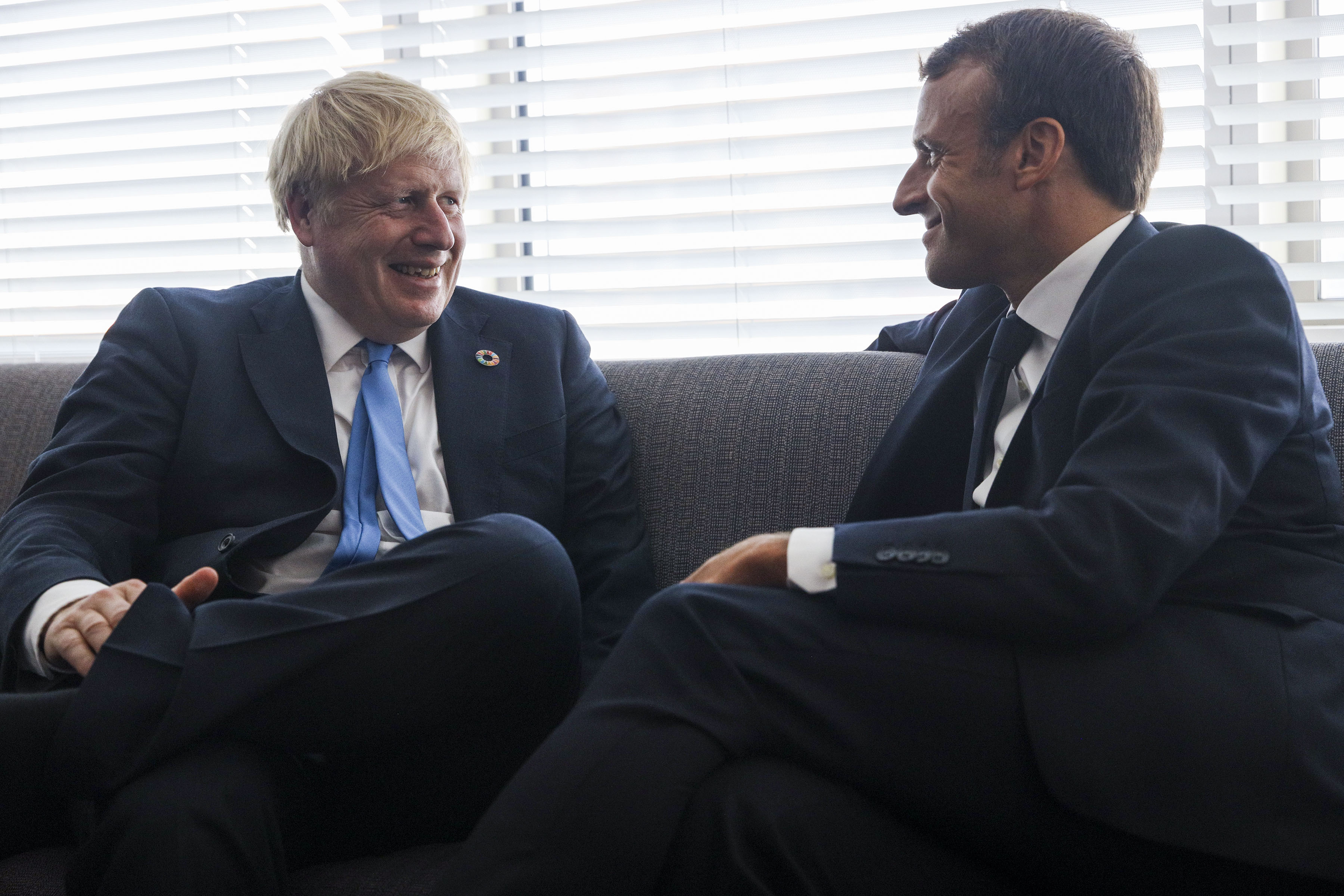
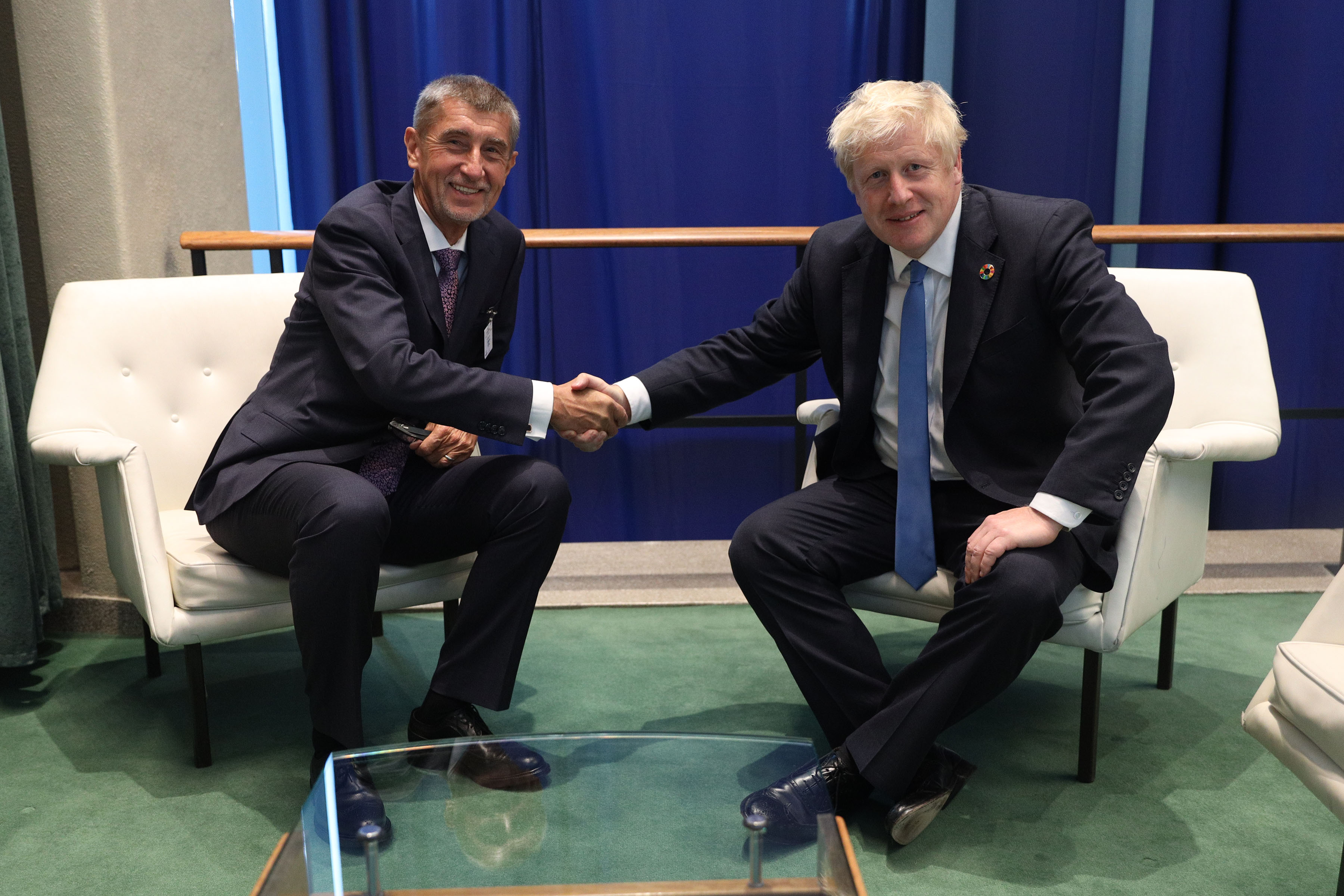
Although this set, is a more interesting set, than the first, it is less cohesive and the narrative is not so apparent. On first look the viewer would be questioning whether it was about world leaders, Europe, Brexit, United Nations, You could probably look at these images all day and not get to the fact they’re all wearing white shirts, it’s just too oblique.
As I delved deeper into this in research, I wanted to develop images whilst reflecting on the term “White Collar” worker and how we categorise society into groups depending on the colour of their collar. During the shooting of these images I researched the term “White Collar” What is now a commonly used phrase. The term “White Collar” can be traced back to the 1930’s by Pulitzer Prize winning author Upton Beall Sinclair Junior to around 1935. It has since become a symbol of education and status over most other workers. There are numerous collar colours, from Blue (Manual Labour) to Gold (Highly specialized knowledge) even Scarlett Collar for Sex Trade workers. It is another pigeonhole for society to be categorised. Even using white as the colour creates thoughts of purity, thoughts of wedding dresses and doctors’ coats add to the stigma attached to simple garments.
So, back to the drawing board for the third iteration of this project, I have been trying to find the balance between these two projects. One that has a coherent narrative like the first, but with a more interesting story, with some of the punch of the second set.
I created a storyboard to help me transfer the narrative that was in my head into a cohesive set of images. The idea was to show the White-collar workers with a link between in each image. I wanted the resultant set to be a mixture of people at work shots and self-portraits, whilst maintaining a cohesive narrative in line with the research I carried out.
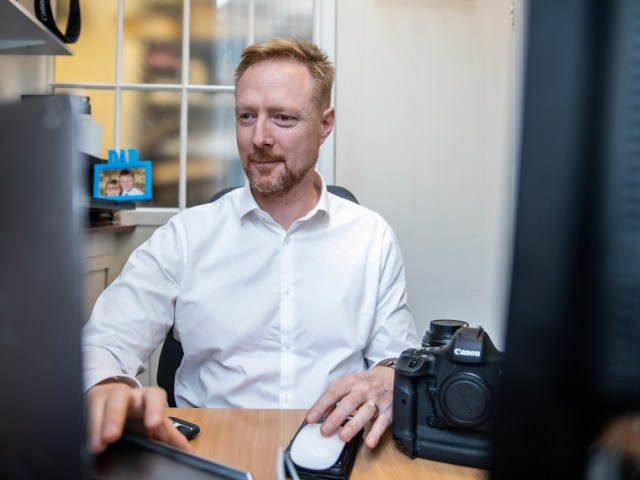
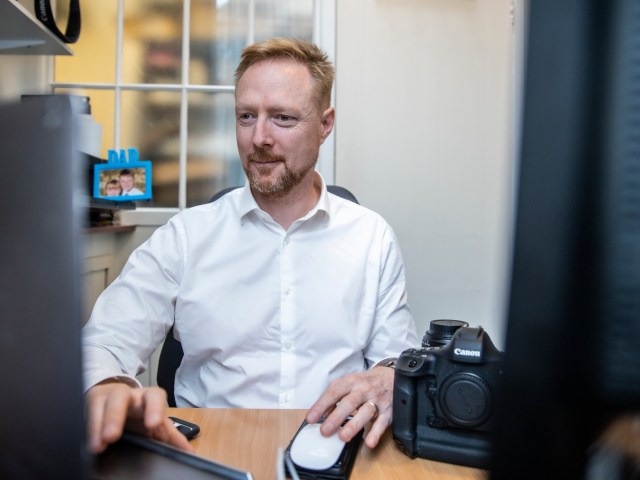
Images for White Shirt Project Assignment 2. Self Portiat of me sat in my office at No 10 Downing Street 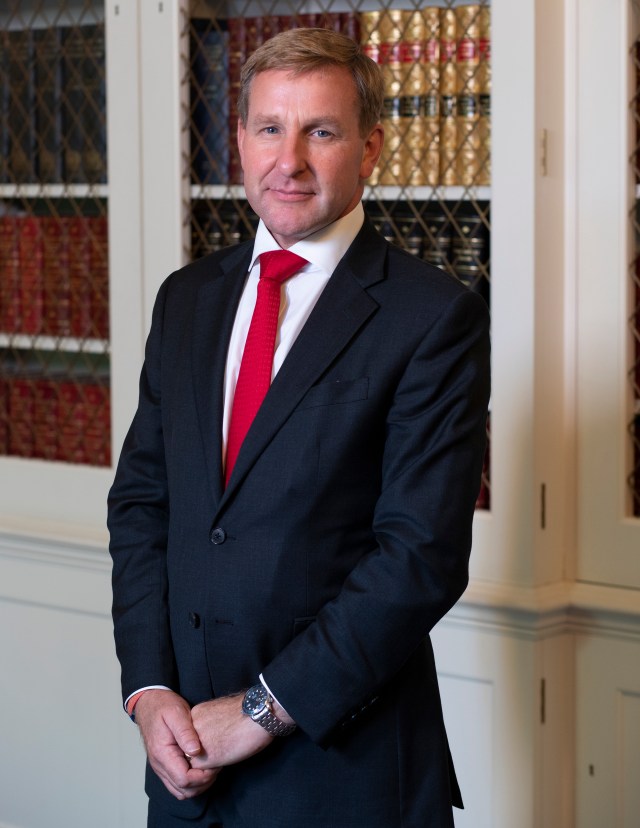
Images for White Shirt Project Assignment 2. Matthew Allen fascilities manager No 10, tests the lighting for a portrait 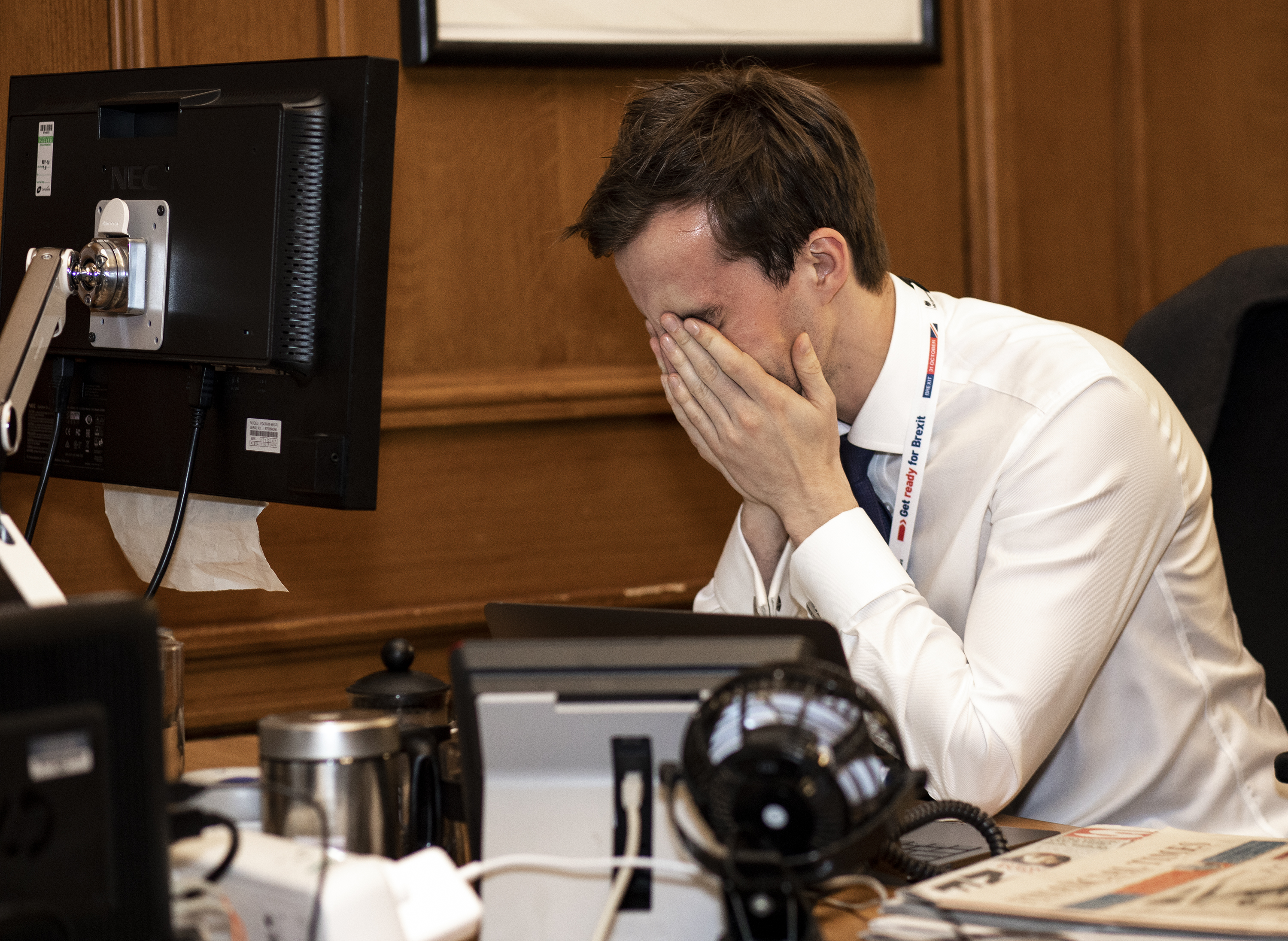
Images for White Shirt Project Assignment 2. A member of the Digital Team deals with a daily drama 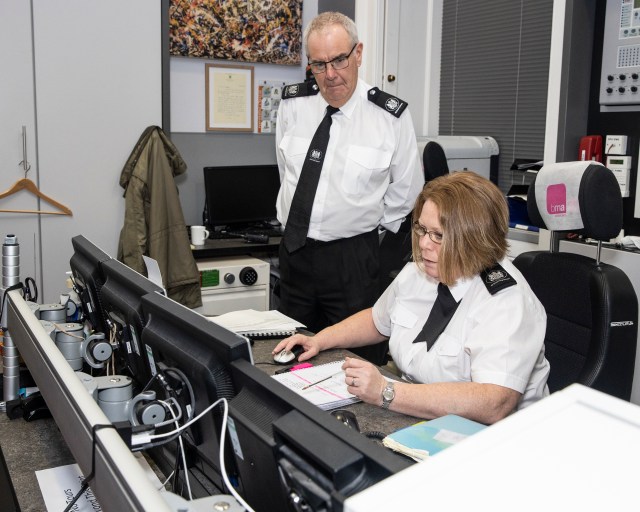
Images for White Shirt Project Assignment 2 Two of the door custodians check the CCTV screens 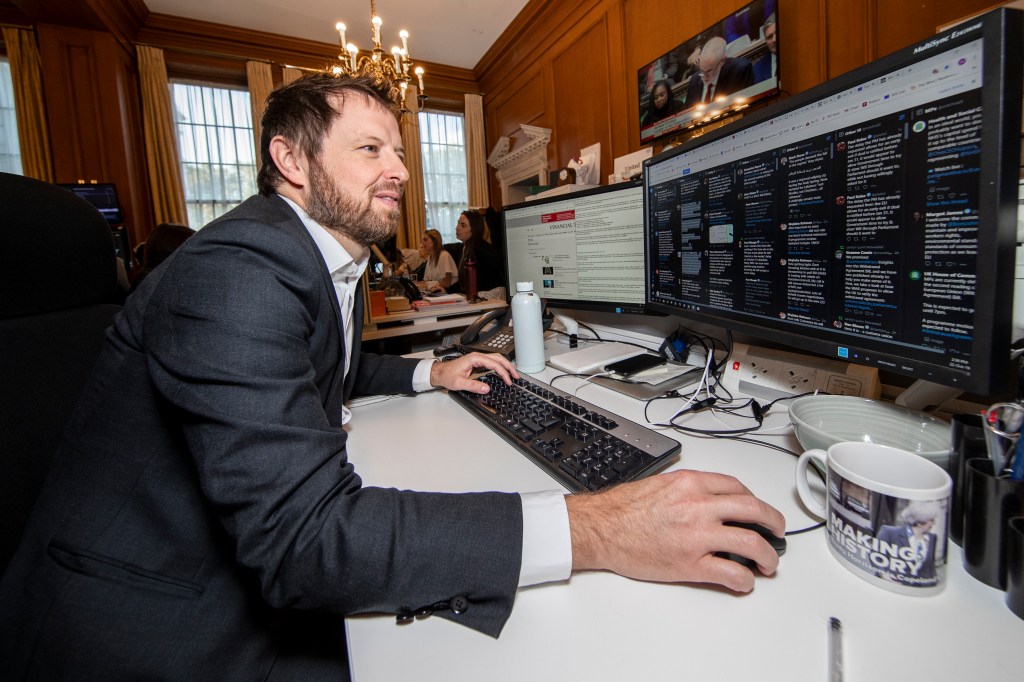
Images for White Shirt Project Assignment 2. A member of the Press Team montiors Twitter.
I came up with this set after chatting with my tutor. I’m still undecided as to which set to go with and this is probably a series I will have to revisit again to be completely happy. This is a more coherent set, all the images are linked in some way and the white shirt theme is more prevalent.
In his series, High Fashion photographer Pawel Jaszczuk, between 2010-2018, took a series of photos documenting Japanese businessmen sleeping where they drop, after working sixty-hour weeks. He delves into some of the same theories of labelling, “is it really his excess or theirs? We should hate those men in their everywhere offices, but that is an effort often beyond us. So, we ask of this man asleep in the street, his real label and it is given unconsciously. And sometimes we also fall, our desires and damaged souls exposed, when we too grow tired of their control.” (Jaszczuk, 2018)
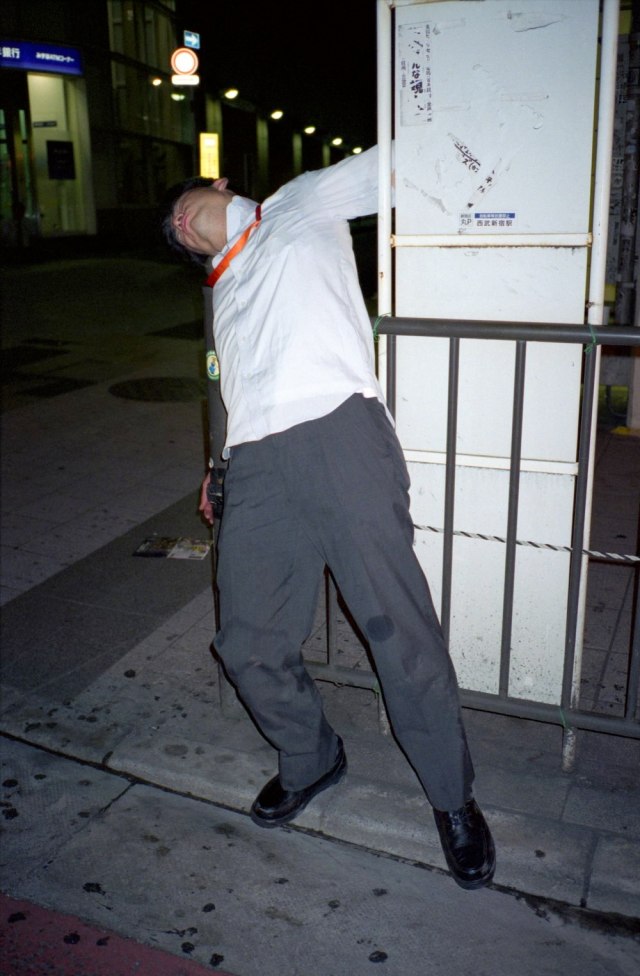
High Fashion photographer Pawel Jaszczuk 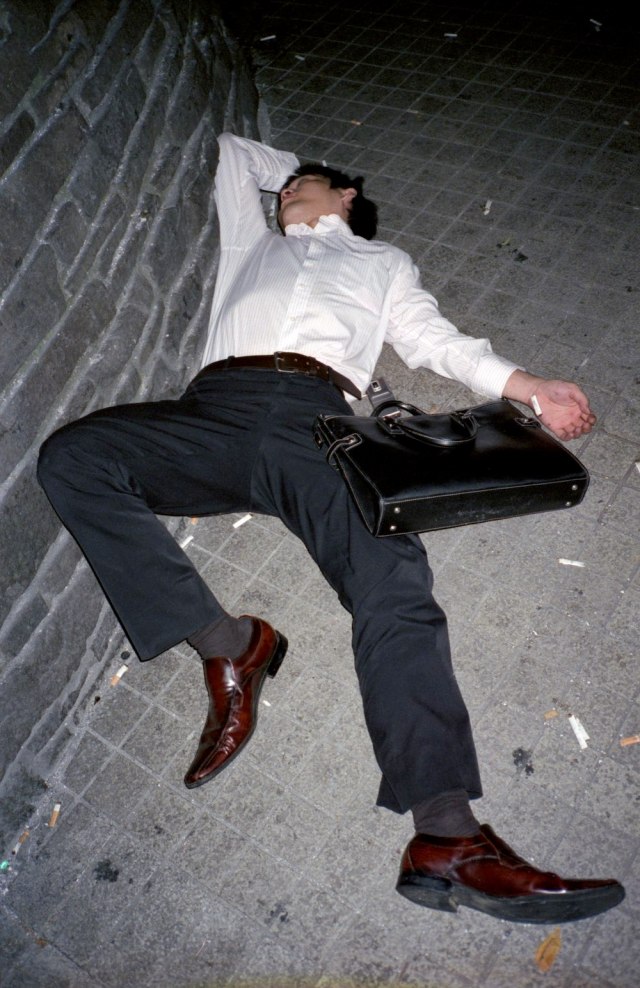
High Fashion photographer Pawel Jaszczuk 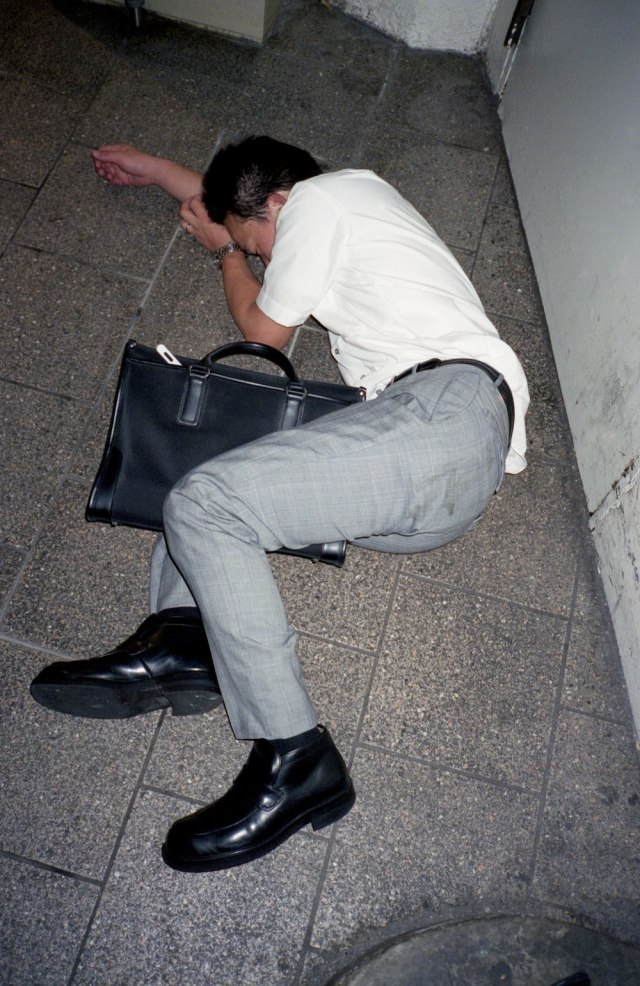
High Fashion photographer Pawel Jaszczuk 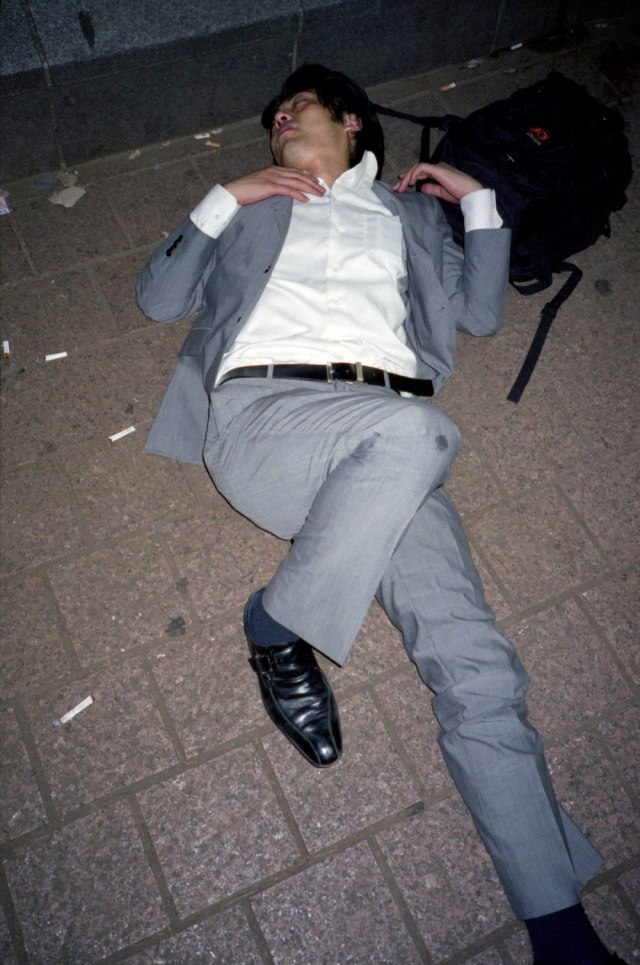
High Fashion photographer Pawel Jaszczuk 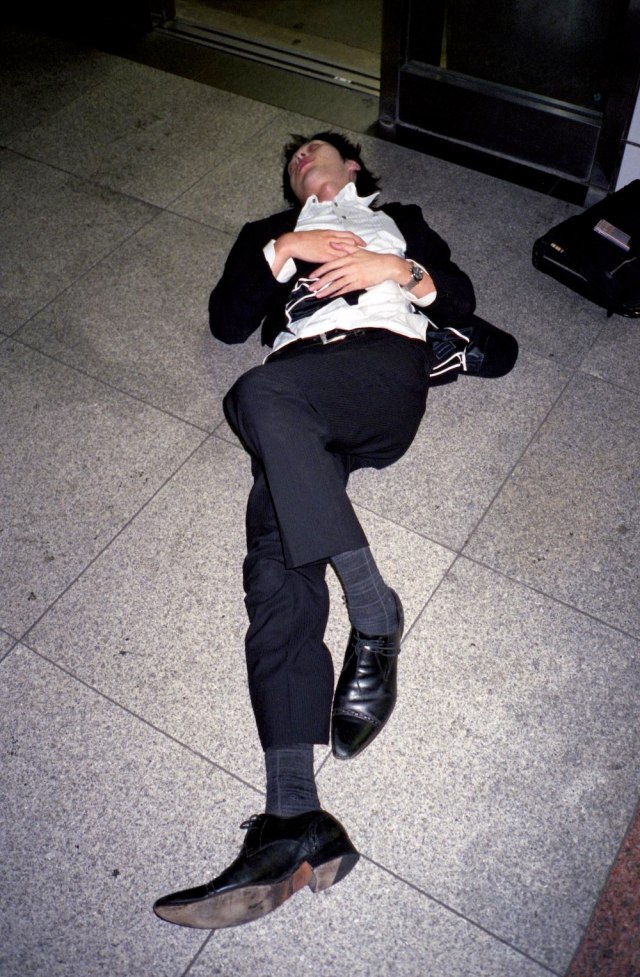
High Fashion photographer Pawel Jaszczuk 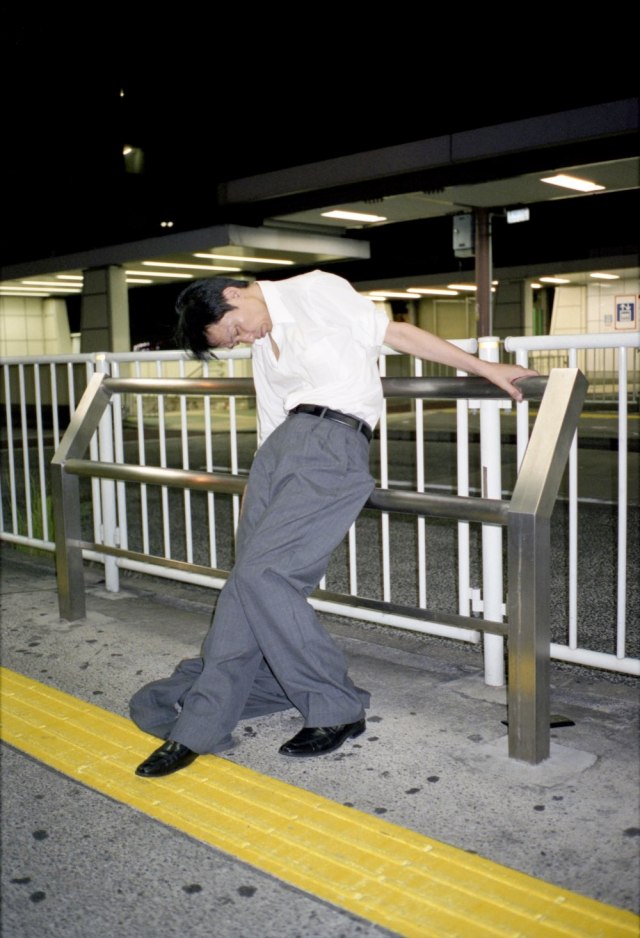
High Fashion photographer Pawel Jaszczuk
In this collection, salaryman the men, wearing predominantly white shirts, my thoughts went to my job, working for the Prime Minister, I have done my fair share of 60-hour weeks. This working pattern is not sustainable for any serious amount of time. This seems to be the fallout of events in an ultra-capitalistic environment that, in this case, Japan has created.
In a recent article for Vice website, Jaszczuk goes on to say, “I want to shake my viewer. I want to provoke them to think more about what was going on in society.” Something has to give, people’s mental and physical health has to be considered. “Do we really want to end up like this? Are we just being used?” (Woods, 2019) Since this project, Japan has brought in some “Work Style Reform Law.” It may be heading in the right direction, but are we?
 Ben's Blog