This project begins with Sarah Pickering’s, Public Order, exploring the Metropolitan Police Public Order Training Centre, a simulated urban environment where officers rehearse responses to civic unrest. Is this project an effective use of documentary or is it misleading? Are these images the best way to show what goes on behind these closed training sessions?
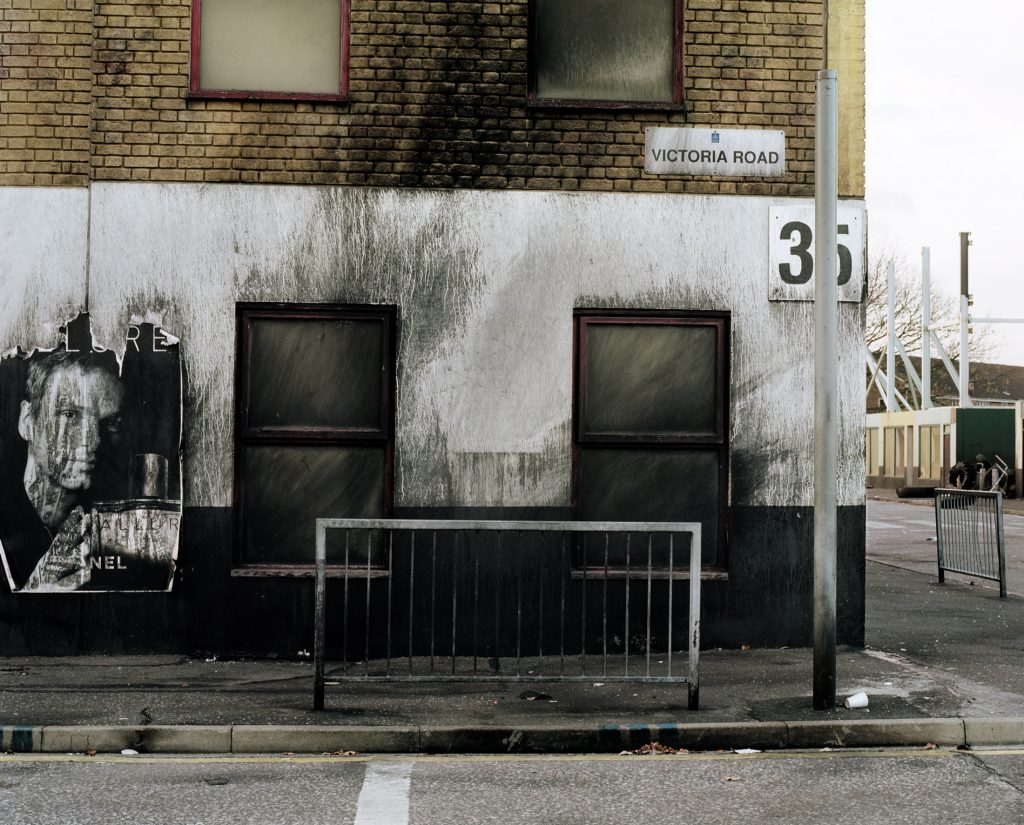
Sarah Pickering is a British visual artist who works with photography and whose work deals with themes of falsity and deception. Pickering uses the process of photographic image making as a way of staging, observing, performing, and facilitating in order to examine and explore mediated versions of reality and work beyond its confines. Central to her work is an intense and repeated scrutiny of the issues raised by such subjects as fakes, tests, hierarchy, science-fiction, explosions, photography, and gunfire. Pickering’s photography examines the frequent gulf between documentation and that which is documented.
Some may argue, this set of images are not a successful representation of the public zeitgeist or of the discerning threat and the responses to them. I believe this set is an effective use of documentary and I do not believe they are misleading, in this essay I will support my opinion with some examples.
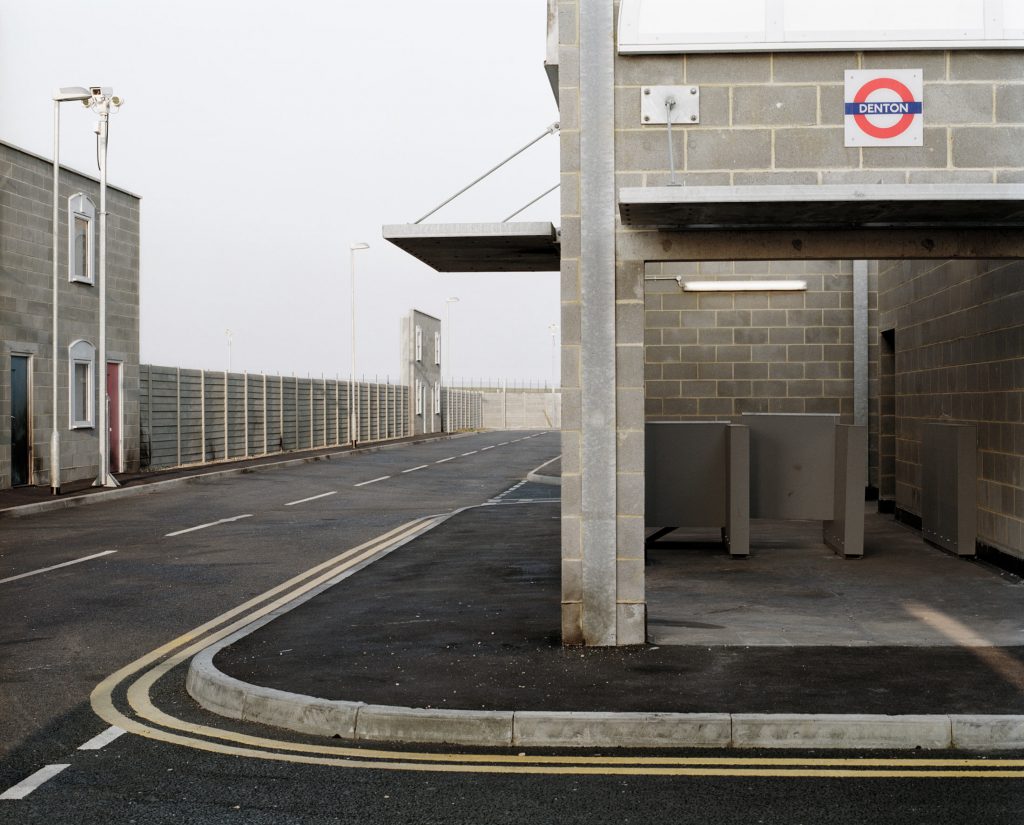
Firstly, I believe this set of images by Pickering is a plausible use of documentary. For example, there is no real attempt to hide the facts that this is a mock up of a town or city. There are lots of subtle and not so subtle clues to the viewer which provoke a closer examination. On closer inspection, you soon get through the thin veneer of reality. In nearly every image there is some part that slowly reveals its meaning, a missing door showing grass where there should be a room, the misplaced lights on every building, the side view of a building that is just a facade. If This set was misleading, it would not give you the images of behind the scenes, some shots are ambiguous at best, but all of them give up some part of the story being told.
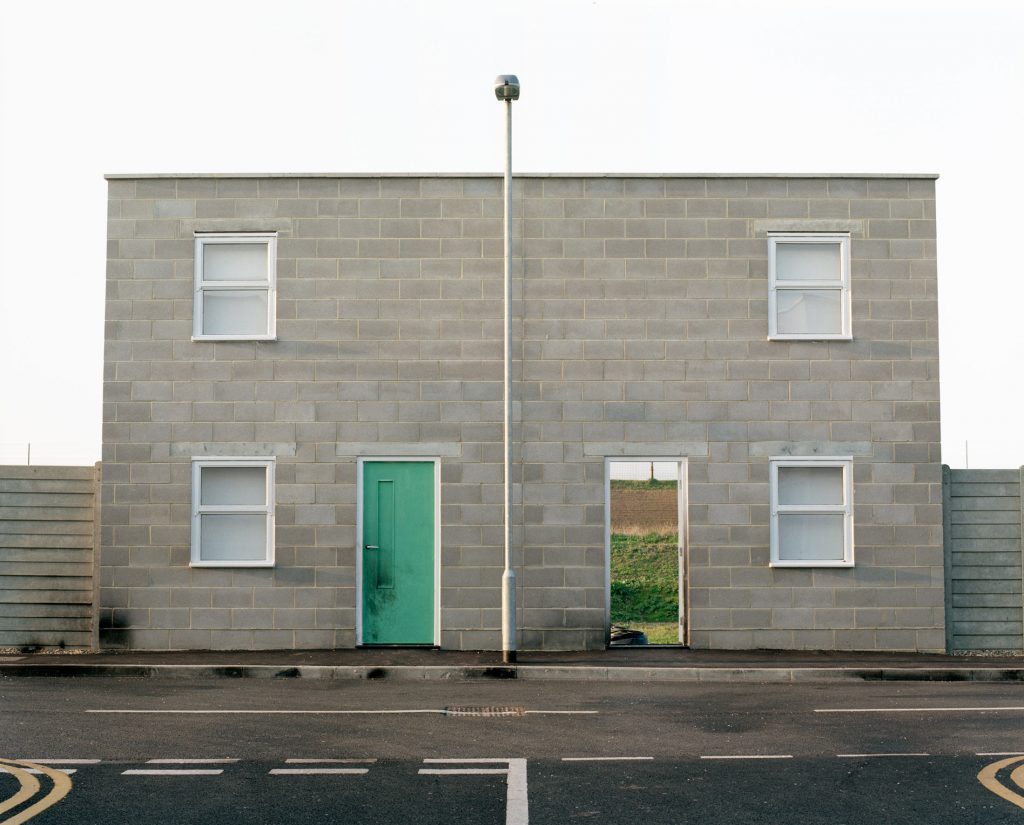
Another reason I disagree that the images are misleading is, they are all taken from the same height, there are no dramatic angle changes, the lighting is very neutral throughout the set. I think this was a deliberate act by the artist, I believe this adds to the documentary feel to the images.
On the other hand, the lack of what first springs to mind when one imagines riot training, police with riot shields, mock protestors and Molotov cocktails. It’s easy to see why some might say the set gives the wrong impression. I have photographed riot training before, the whole point is to put the Public Services under real life stresses of these situations. There are normally, loud noises crowds and flames, the lack of this in the images could be seen as slightly deceiving.
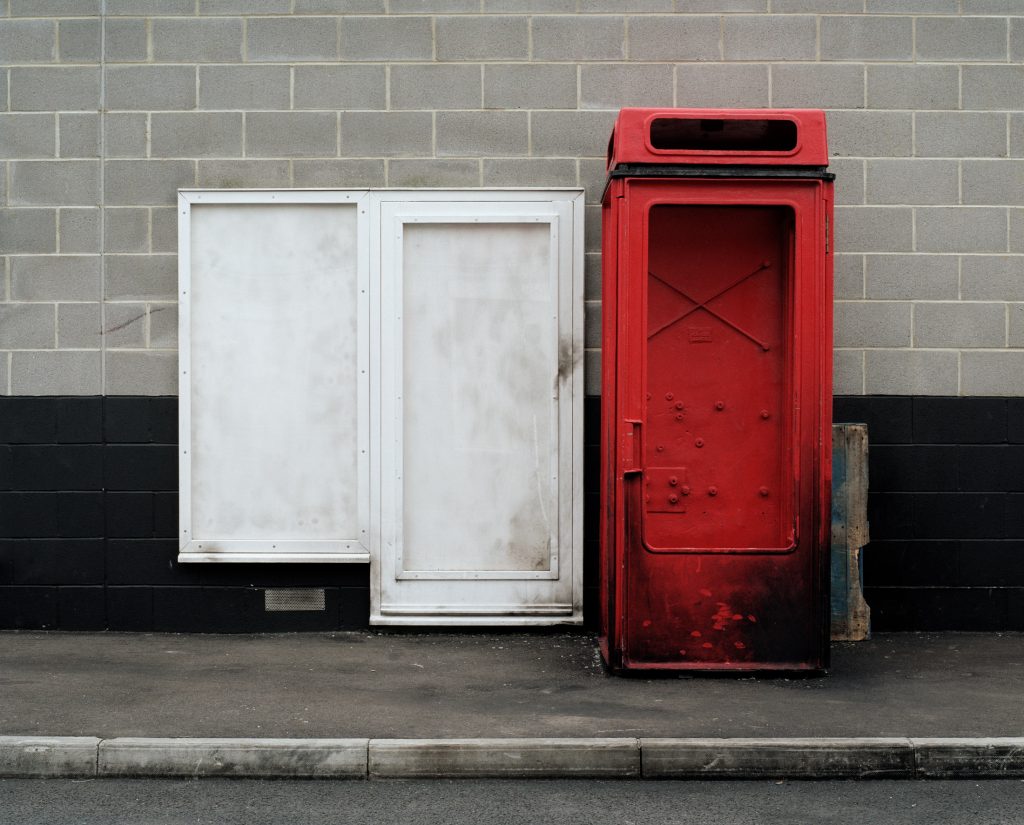
With further research into this artist’s other work, it is hard to come to any other conclusion, that when viewed in the wider context of the whole collection, that these images are the first set of, Explosions, Fire and Public order, it becomes ever more apparent that these are effective documentary images. Pickering herself says in the forward the her book of the same name “My work explores the idea of imagined threat, and response, and looks at fear and planning for the unexpected” The only fantasy involved in this set of images is the imagined scenarios the officers rehearse in the areas.
Personally, I would choose to portray these areas with a more kinetic style, it is, nevertheless, a compelling use of documentary.
 Ben's Blog