Shafran’s collection of Washing Up documented the everyday household chores of cleaning the dishes. This series of photographs were not originally from a set idea. They were in fact created because Shaffron wanted to start the New Year with a more positive approach. He wanted “Something with lots of shapes,where shapes would change and keep changing.”.
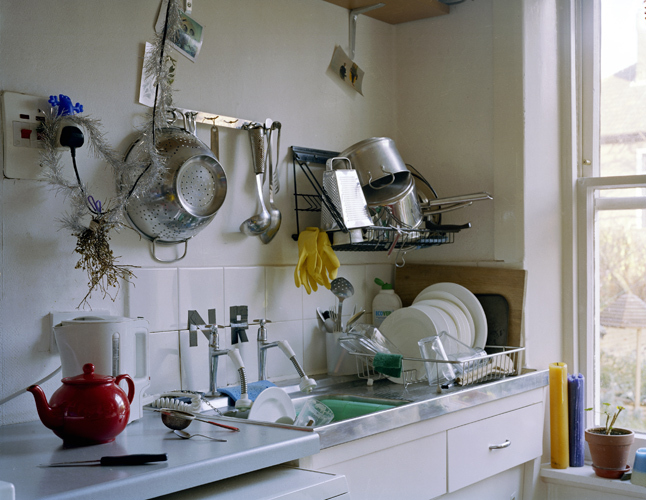
From January to June 2000, he captured different scenarios of the dishes he ate his meals on in to the washing up in his own and other people’s kitchen. Shafran wanted the audience to see this daily chore from his perspective.These photographers are interesting as we see different utensils and dishes used, which are placed in varied places in the drying rack in each photograph. Also every photograph has a description of what food he has prepared, eaten or drank that day, it gives us an idea of what his lifestyle was like.
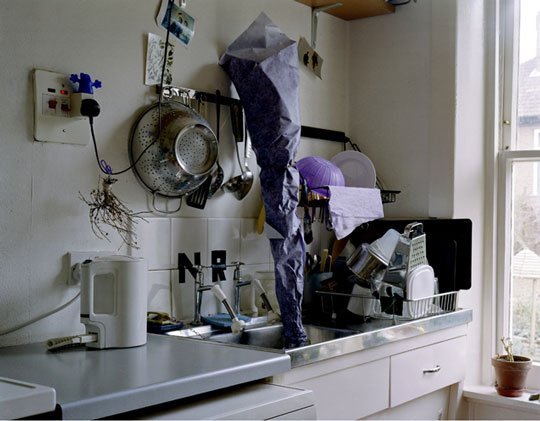
tea, left-over
squash, pepper soup, homemade pizza.
The fact this set of images was captured by a man is not surprising, but does gender contribute to the creation of an image? Absolutely, Some things are ingrained in us at such a young age they become hereditary. A subject studied by the artist Jeong Mee Yoon in her Pink and Blue project. “The Pink and Blue Projects were initiated by my five-year-old daughter, who loved the colour pink so much that she wanted to wear only pink clothes and play with only pink toys and objects,” writes JeongMee Yoon. “I discovered that my daughter’s case was not unusual.
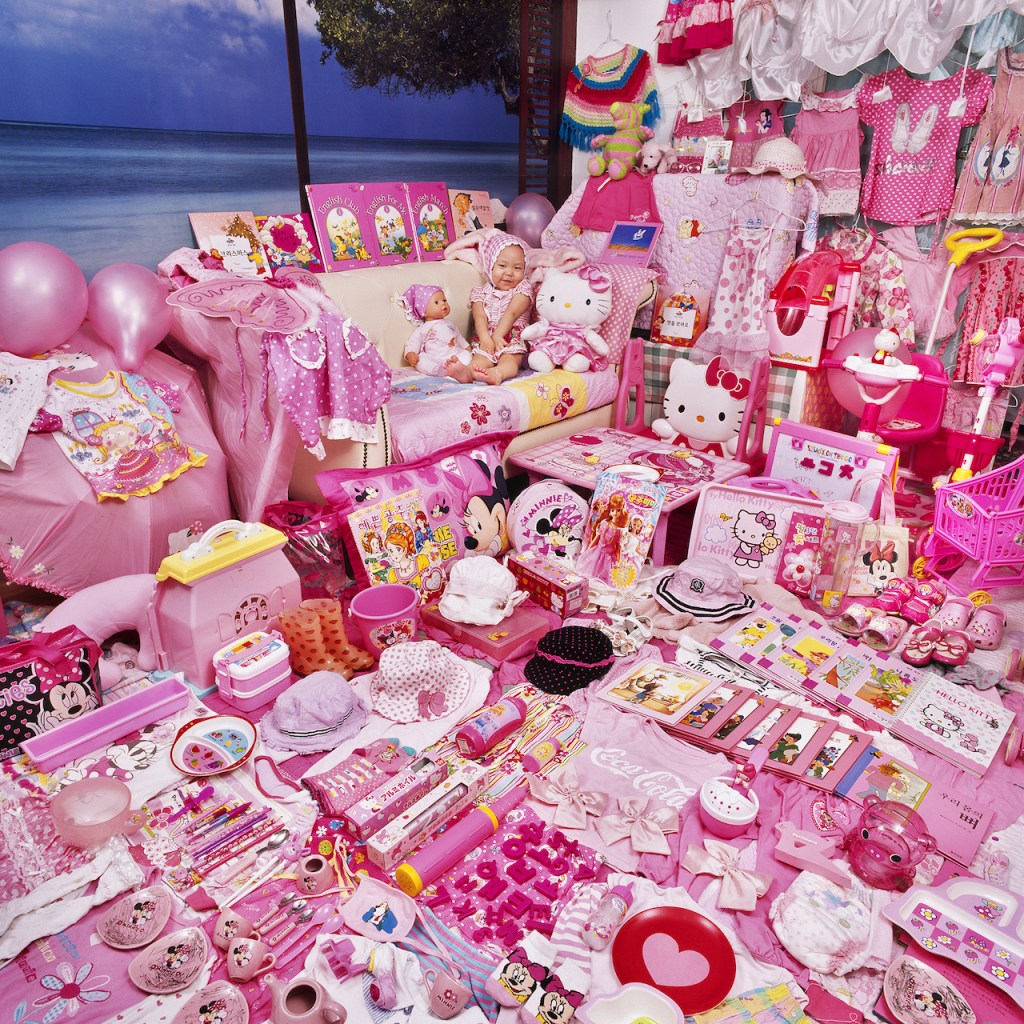
These predispositions to pink and blue are not limited to South Korea, it is true in the United States, France and the United Kingdom. This trend is widespread in children no matter their ethnic roots. I believe this down to the commercial advertising Parents and Children are subject to from an early age, couple this with global branding of Barbie, Hello Kitty, My Little Pony and many other trends.
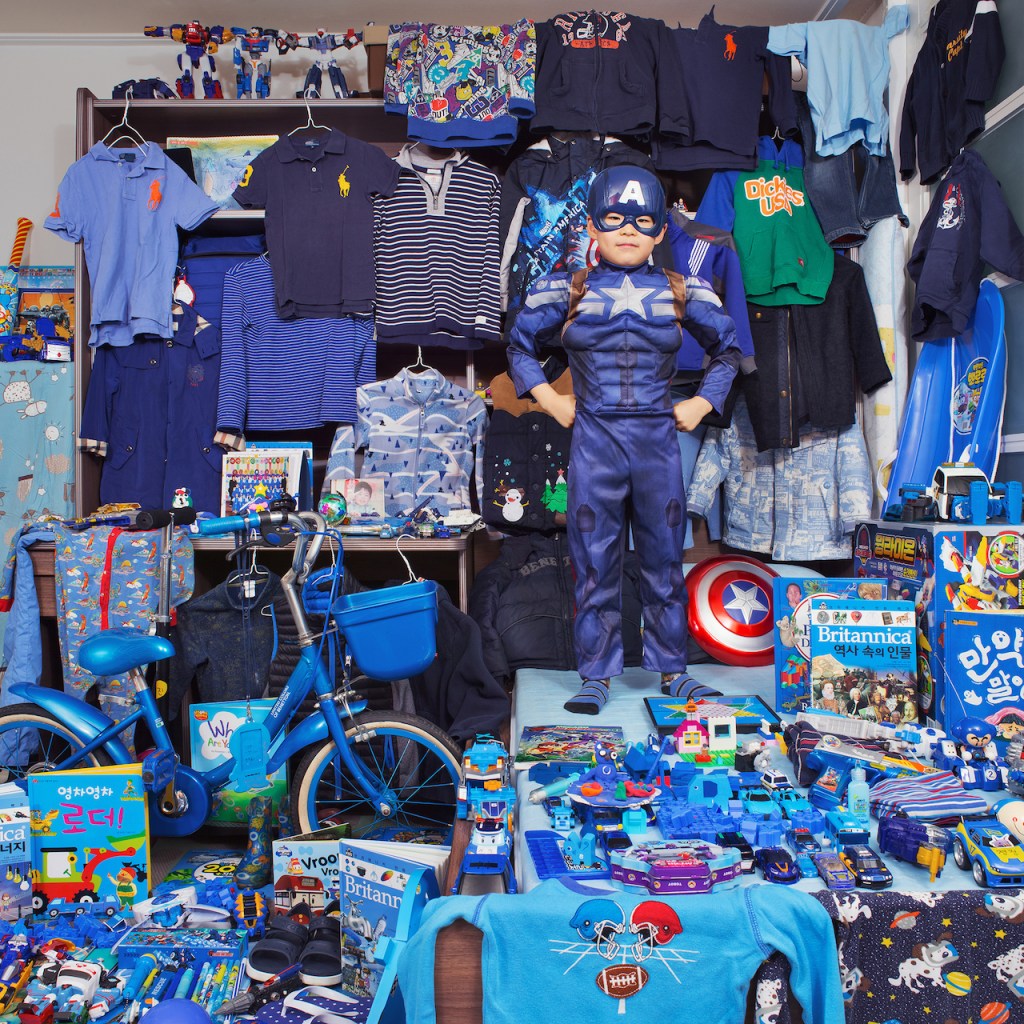
It’s difficult to escape this subconscious messaging, “This is a phenomenon as intense as the Barbie craze. Manufacturers produce anthropomorphic ponies that have the characteristics of young girls. They have barrettes, combs and accessories, and the girls adorn and make up the ponies.” So not only the colour of the toys separates the genders, but also the roles assigned to the toys, “These kinds of divided guidelines for the two genders deeply affect children’s gender group identification and social learning.” These traits do not disappear in adult hood and must surface when we create images not matter how subliminal it may be.
 Ben's Blog