Does Digital Technology Change how we see photographs as truth
It is a commonly stated that modern technology effects how we view the truth in images, others believe the fast and ready access to photography and the ability to share it at lightning speed reinforces the truth in digital photography. In my perspective, digital technology does not change how we the understand the reality in digital photography and it is the context in which we view these images that has the most consequence to how we view images not the technology that produces them. In this essay we will delve in to each aspect and at some relevant examples in support of my view.
It is globally accepted that the recent rise of digital technology has given people more access to digital cameras, photo manipulation software and the ability to broadcast content in an instance, all wrapped up in a hand-held package of the mobile phone.
It is no coincidence the rise of camera phones runs parallel with the escalation of citizen photography. With News Agencies ever more likely to use content supplied by non-professional photographers, the role of the photo journalist is in decline.
The fact that news agencies and picture editors alike trust these sources as a truthful source of information further backs up the view that digital technology does not change how we see the truth in photographs.
The sheer volume of imagery available often substantiates what happens, for example, during the Baltimore riots of 2013 after officers arrested Freddie Gray, a 25-year-old African American. Gray suffered injuries (which he later died of) during the protests the protestors filmed much of the police reaction on multiple mobile phones, iPad, stills cameras and news crews filmed on their cameras, each piece of digital technology validated the other adding more authenticity to the footage, as you can see in fig A there are over 10 cameras in this one scene all this adding up to tell a truthful story from multiple angles and only two of them held by what would be considered professionals.

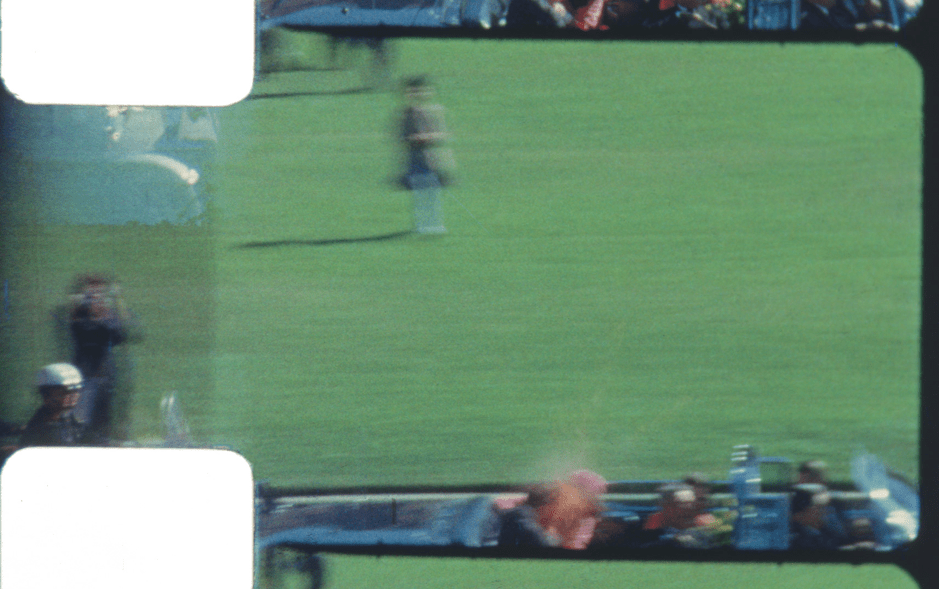
Citizen journalism is nothing new, who could forget the infamous frame 313 of President Jonathan Fitzgerald Kennedy’s assassination. Possibly the most famous home movie ever captured and one of the most studied frame of 8mm film ever recorded, more for what it doesn’t reveal than for what it does. When amateur photographer Abraham Zapruder placed his camera to film his hero JFK no one could have imagined what he would capture. Life magazine purchased the film the next day and published 31 of the 486 frames which meant that the film was released as a series of eight still images, even with the clamour for images of this event, frame 313 was withheld, the one where the bullet explodes from the side of the Presidents head. This image is still shocking when viewed today, one can only imagine how it would have been received in 1963.
This is a good example to support David Campney’s point that “Almost a third of all news “photographs” are frame grabs from video or digital sources’ and comments that the definition of a medium, particularly photography, is not autonomous or self-governing, but heteronymous, dependent on other media. It derives less from what it is technologically than what it is culturally. Photography is what we do with it. And what we do with it depends on what we do with other image technologies. (empahsis in original, p. 130)
With today’s access to photo manipulation software, it’s easy to see why people would not see the truth where digital technology it concerned. There are a few well documented occasions when digitally manipulated images do make their way into the public domain. Sometimes by photographers trying to deceive and make money by enhancing their images, other times by public figures releasing pictures that were never intended to be news. As In the case of MP Diane Abbott releasing a computer-generated composite image which she believed to be a factual image of airstrikes on Syria.

In this multimedia age where images are everywhere and millions of images are just a mouse click away, mistakes are bound to be made. With digital technology comes digital data, each image has a history, the recording of metadata that gives you a digital diary of all the changes made to the images so manipulation is even easier to detect than it was back in the analogue days of film.
With the rise of multimedia platforms and mass communication it can be forgiven to think fake news and images are on the rise. I believe the truth of the situation is, although there are examples of manipulation leaking their way into the news feeds of the public. The decrease in photo journalists on the ground and the ready acceptance of citizen journalism means digital technology does not change our interpretation of the photograph as truth. I believe the opposite, the more digital technology that surrounds the subject the more the truth becomes irrefutable however difficult to swallow.
 Ben's Blog