Find some examples of news stories where ‘citizen journalism’ has exposed or highlighted abuses of power. How do these pictures affect the story, if at all? Are these pictures objective? Can pictures ever be objective? Write a list of the arguments for and against. For example, you might argue that these pictures do have a degree of objectivity because the photographer (presumably) didn’t have time to ‘pose’ the subjects, or perhaps even to think about which viewpoint to adopt. On the other hand, the images we see in newspapers may be selected from a series of images and how can we know the factors that determined the choice of final image? Think about objectivity in documentary photography and make some notes in your learning log before reading further.
Citizen Journalism is defined, according to wikipedia as; “Citizen journalism (also known as public journalism, participatory journalism, democratic journalism,[1] guerrilla journalism[2] or street journalism[3]) is based upon public citizens “playing an active role in the process of collecting, reporting, analysing, and disseminating news and information.”
It is considered a modern phenomenon with the rise of smart phones and smaller recording devices, it has actually been around for much longer. Who could forget the shaky cam footage of President JFK’s assassination. I think with today’s use of the internet as a conduit it appears much more prevalent in society today.
There are many examples of Citizen Journalism uncovering abuses of power. The first one that comes to mind, is the Rodney King case, on March, 03, 1991 A plumber named George Holliday heard a disturbance outside his apartment grabbed his camcorder and recorded four LAPD police officers savagely beating an unresisting motorist during a routine traffic stop. This footage would be broadcast internationally, sparked the infamous L.A. Riots and is widely regarded as the first viral video in the pre internet age. These videos and images now seem common place, with numerous examples seeming to fill our news feeds and tv screens on an almost daily basis.
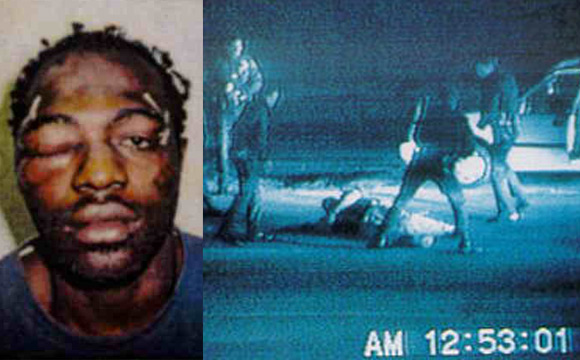
Advantage’s of Citizen Journalism:
1. Citizen Journalism can be seen to give a voice to the community, it gets them involved in issues that have a direct effect on their lives.
2. It is normally taken in the moment and from multiple viewpoints not really gained by traditional journalists.
3. Most Citizen journalism is taken in the moment an event actually happens for example when a car drove into protesters during the Charlottesville Riots, it was filmed by the protesters while it actually happened, it was filmed from multiple angles by multiple witnesses and could be instantly shared.
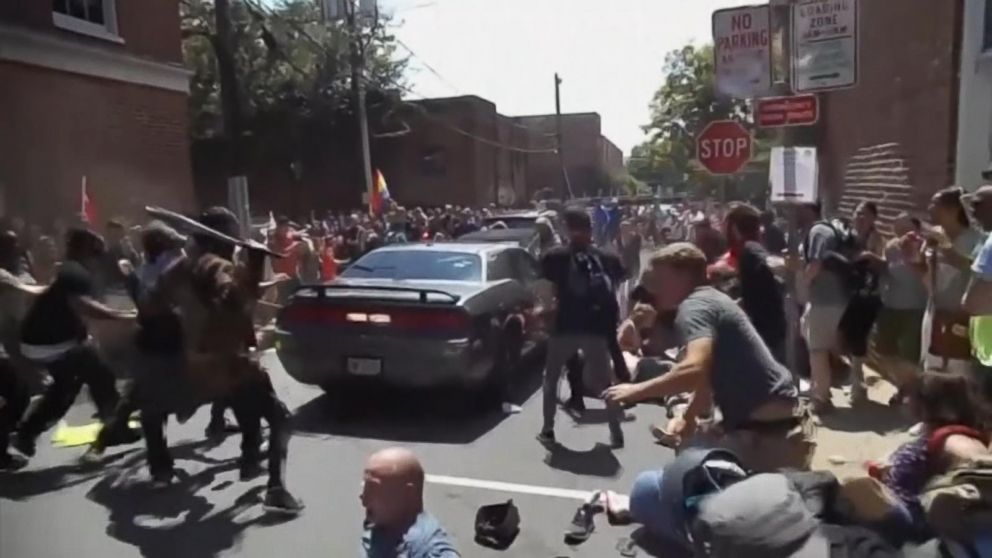
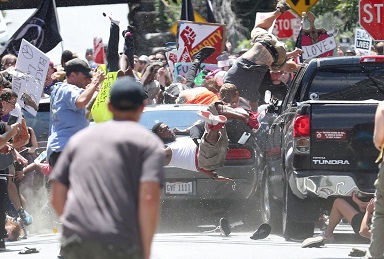
Whereas traditional journalism is reported on in the aftermath of such events.
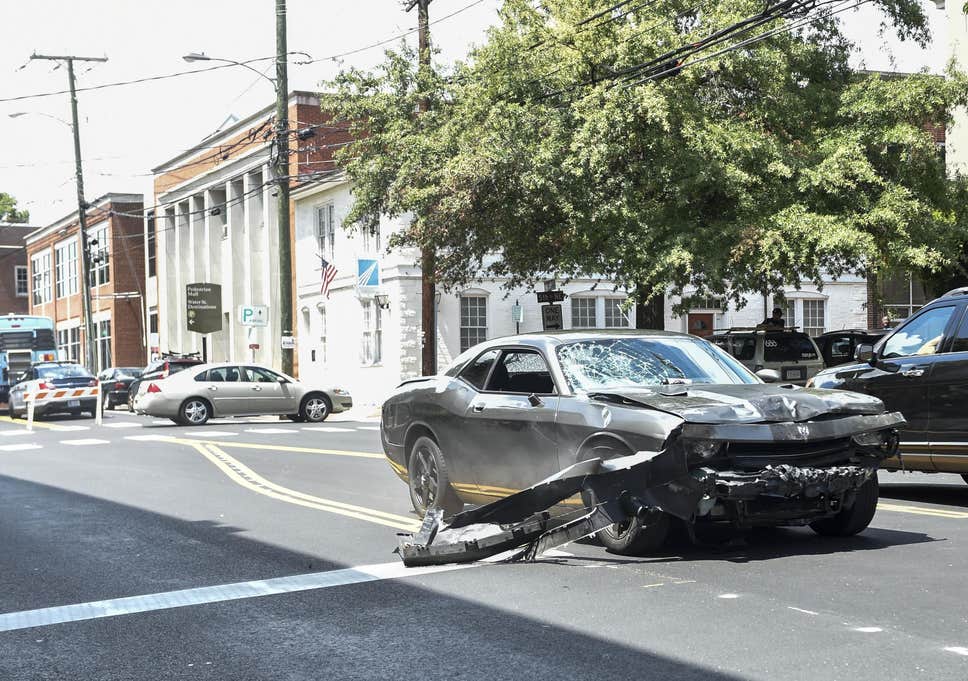
4. The footage is not subjected to a picture editor or publishers/board of directors even advertisers who’s views could be projected on the images.
5. The footage is raw and can be shared publicly very quickly via the internet, it can be widely available almost instantly.
6. It can be taken by anyone, anywhere with little or no photographic experience.
Disadvantages of Citizen Journalism:
1. Even though citizen journalism isn’t affected by advertisers or editors, it is effected by the people that capture the footage and that is where the first disadvantage of citizen journalism appears. With no editorial input the footage could be biased towards the person who filmed it. Which can lead to inaccuracies and factual errors.
2. The instantaneous nature of citizen journalism listed as an advantage can also be seen as a disadvantage, as in the case of Hurricane Sandy, where a prominent Twitter user with 6000 followers posted inaccurate news on the ferocity and timings of the hurricane which lead to unnecessary panic.
3. During the recent error attacks in Africa, people were live streaming the ongoing attacks revealing the location of survivors of the attacks to the terrorist. These situations may seem extreme but they do happen. There is no stopping citizen journalism, I feel it is a now as commonplace as traditional journalism.
To end this discussion here’s a quote by Paul Lewis on citizen journalism.
“Citizen Journalism for the journalist means accepting that you can’t know everything and allowing other people through technology to be your eyes and ears and for the public it means being co-producers of the news.”
 Ben's Blog